The Evolving Landscape of Personal Transportation
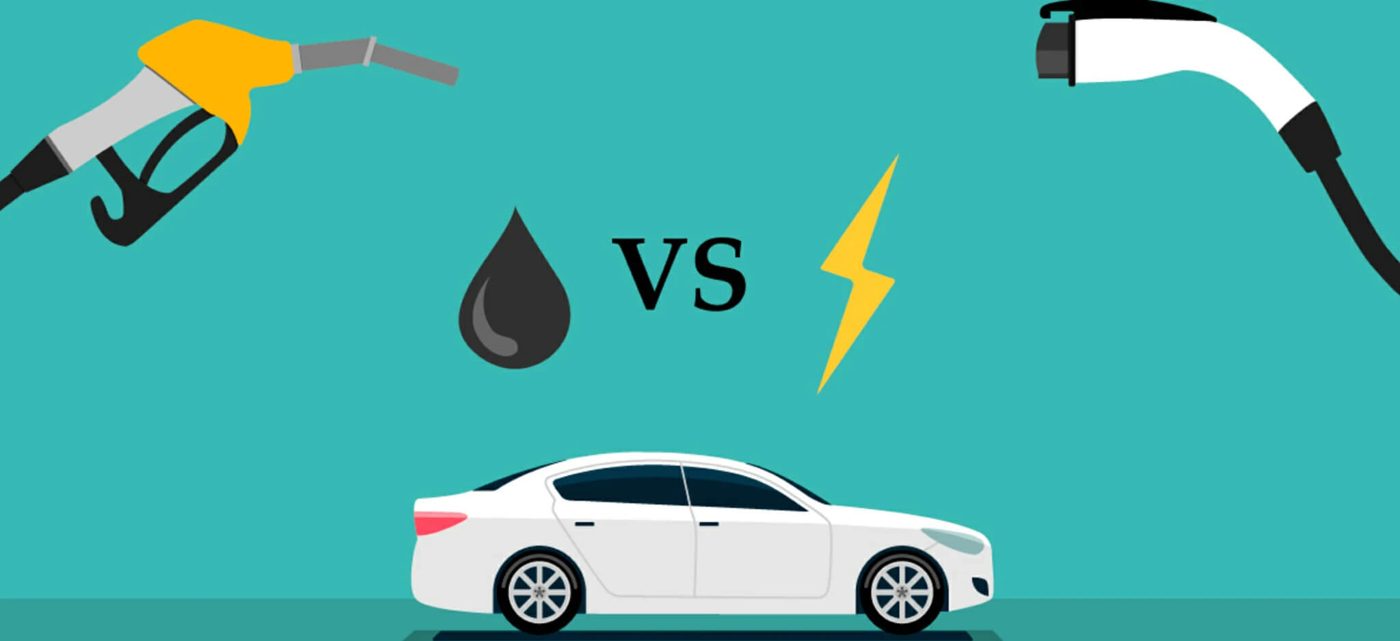
The debate between internal combustion engine (ICE) vehicles and battery electric vehicles (EVs) has moved far beyond simple environmental idealism. Choosing a vehicle requires balancing volatile fuel markets, rapidly evolving charging infrastructure, and a completely restructured federal tax landscape. For over a century, gasoline-powered cars have offered unmatched convenience, a predictable cost structure, and a mature refueling network that spans virtually every corner of the globe. However, the rapid maturation of electric vehicle technology, combined with shifting economic incentives, has made the transition to electric driving a highly compelling—yet highly complex—alternative.
To make an informed decision, prospective buyers must look past marketing hype and examine the granular realities of ownership. This guide provides a comprehensive, data-driven framework designed to help you analyze your daily driving habits, evaluate the true cost of ownership, navigate the latest tax regulations, and ultimately determine whether a traditional gas vehicle or a modern electric vehicle aligns with your lifestyle and financial goals. As automotive manufacturers commit billions of dollars to electrification while simultaneously refining internal combustion efficiency, consumers find themselves at a historic crossroads where the right choice depends entirely on individual driving profiles, regional utility rates, and local infrastructure.
Demystifying the Environmental Footprint: Lifecycle Emissions Compared
A primary argument for transitioning to electric vehicles is their potential to reduce greenhouse gas emissions. Traditional internal combustion engine vehicles emit carbon dioxide, nitrogen oxides, and particulate matter directly from their tailpipes throughout their operational lives. In contrast, battery electric vehicles produce zero tailpipe emissions, making them exceptionally effective at improving localized air quality, particularly in densely populated urban environments.
However, a comprehensive environmental comparison must account for the entire lifecycle of the vehicle, from raw material extraction to manufacturing, operation, and eventual disposal. The environmental footprint of an EV is heavily front-loaded. Manufacturing an electric vehicle—specifically mining and refining raw materials like lithium, cobalt, nickel, and manganese for lithium-ion batteries—is an energy-intensive process. Consequently, a brand-new EV typically leaves the factory with a larger carbon deficit than an equivalent gasoline-powered car. The extraction of lithium through brine pool evaporation or hard-rock mining, combined with the high-temperature processing required for cathode synthesis, contributes to this initial environmental debt.
Over time, this initial deficit is paid back as the EV is driven. The speed at which you reach this environmental break-even point depends almost entirely on the composition of your local electrical grid. If your electricity is sourced primarily from renewable energy like wind, solar, or hydroelectric power, the payback period is remarkably brief, often within the first one to two years of driving. If your local grid relies heavily on coal or natural gas, the payback period will be longer, though studies consistently show that EVs still maintain a lower lifecycle carbon footprint than gas vehicles over their entire operational lifespan. To verify the emissions profile of your specific region, you can consult the Environmental Protection Agency's eGRID database.
Sources: www.epa.gov
The Financial Equation: Upfront Costs vs. Long-Term Operational Savings
When comparing the economics of gas and electric vehicles, the financial equation extends far beyond the initial sticker price. Historically, EVs have commanded a premium upfront due to the high cost of battery manufacturing. While the price gap has narrowed as production scales and battery chemistries evolve, buyers must still weigh this higher initial capital expenditure against the potential for long-term operational savings.
Ongoing operational costs present a highly favorable dynamic for electric vehicles. Electric motors are remarkably simple compared to internal combustion engines, containing only a fraction of the moving parts. This simplicity eliminates the need for routine maintenance tasks that plague gas car owners, such as oil changes, spark plug replacements, timing belt adjustments, oxygen sensor replacements, and complex transmission services. Furthermore, EVs utilize regenerative braking systems that capture kinetic energy to slow the vehicle down, which significantly reduces wear and tear on mechanical brake pads and rotors, extending their lifespan by years—often past 100,000 miles of driving.
Fueling costs represent another critical point of divergence. While gasoline prices are notoriously volatile and subject to geopolitical factors, electricity rates are generally more stable. However, calculating your actual savings requires comparing your local utility's electricity rates (measured in cents per kilowatt-hour) against local gasoline prices. In regions with high electricity costs and cheap gasoline, the operational savings of an EV may be modest. Conversely, in areas with low utility rates—especially those offering specialized off-peak charging plans—the cost to fuel an EV can be a fraction of what you would spend at the pump. Real-world fuel economy and cost-per-mile calculators can be verified using official federal resources.
Sources: www.fueleconomy.gov
Navigating the Post-OBBBA Tax Landscape: Credits and Deductions
The regulatory environment surrounding clean vehicles underwent a massive transformation with the passage of the One Big Beautiful Bill Act (OBBBA) of 2025 (Public Law 119-21), signed into law on July 4, 2025. This sweeping legislation fundamentally altered the federal tax incentives that previously drove EV adoption. For anyone shopping for a vehicle, understanding these changes is critical to avoiding costly tax surprises.
First, the OBBBA accelerated the termination of the clean vehicle tax credits established under previous legislation. Specifically, the New Clean Vehicle Credit (IRC Section 30D), the Previously-Owned Clean Vehicle Credit (IRC Section 25E), and the Qualified Commercial Clean Vehicle Credit (IRC Section 45W) are completely unavailable for any vehicles acquired after September 30, 2025.
However, a vital transition rule remains in effect for taxpayers who initiated purchases before the cutoff. According to official IRS guidelines, a vehicle placed in service after September 30, 2025, can still qualify for these credits only if the taxpayer acquired the vehicle on or before September 30, 2025. To demonstrate acquisition, you must have entered into a binding written contract and made a payment (such as a nominal down payment) on or before that date. If you take possession of an EV that was acquired under these strict parameters, you must file IRS Form 8936 with your tax return to claim the credit.
In place of these direct purchase credits, the OBBBA introduced a highly unique financial incentive known as the "No Tax on Car Loan Interest" deduction (IRC Section 163(h) / OBBBA Section 70203). For tax years 2025 through 2028, eligible taxpayers can claim a deduction of up to $10,000 annually for interest paid on a qualified passenger vehicle loan. While this is technically a below-the-line deduction—meaning it is deducted after Adjusted Gross Income (AGI) is calculated and does not lower your AGI—it is uniquely structured to be available to all eligible taxpayers regardless of whether they itemize their deductions or claim the standard deduction. It can be claimed directly on Schedule 1-A (Form 1040).
To qualify for the car loan interest deduction, the vehicle must meet several strict criteria: it must be a new passenger vehicle (used vehicles and leases do not qualify); the vehicle's gross vehicle weight rating (GVWR) must be under 14,000 pounds; the vehicle must undergo final assembly in the United States; and the loan must be secured by a first lien on the vehicle. The deduction begins to phase out for taxpayers with a modified adjusted gross income (MAGI) of $100,000 for single filers (fully eliminated at $150,000) and $200,000 for married couples filing jointly (fully eliminated at $250,000). Crucially, this interest deduction applies to both gas-powered and electric vehicles, provided they meet the U.S. assembly and weight requirements.
For the 2025 tax year, the IRS issued transitional guidance relieving lenders of the strict requirement to file the newly created Form 1098-VLI (Vehicle Loan Interest Statement). Instead, for 2025, taxpayers can substantiate their interest payments using standard year-end statements or monthly billing statements provided by their lender. Full compliance and mandatory issuance of Form 1098-VLI by lenders will begin in the 2026 tax year.
Because tax laws are highly complex and subject to ongoing IRS administrative updates, you should qualify any financial projections with a certified public accountant or tax professional, and regularly check IRS.gov for the most current forms and publications.
Sources: www.irs.gov, www.irs.gov, www.irs.gov, www.irs.gov
Home Charging Infrastructure: Level 1, Level 2, and the 30C Credit Sunset
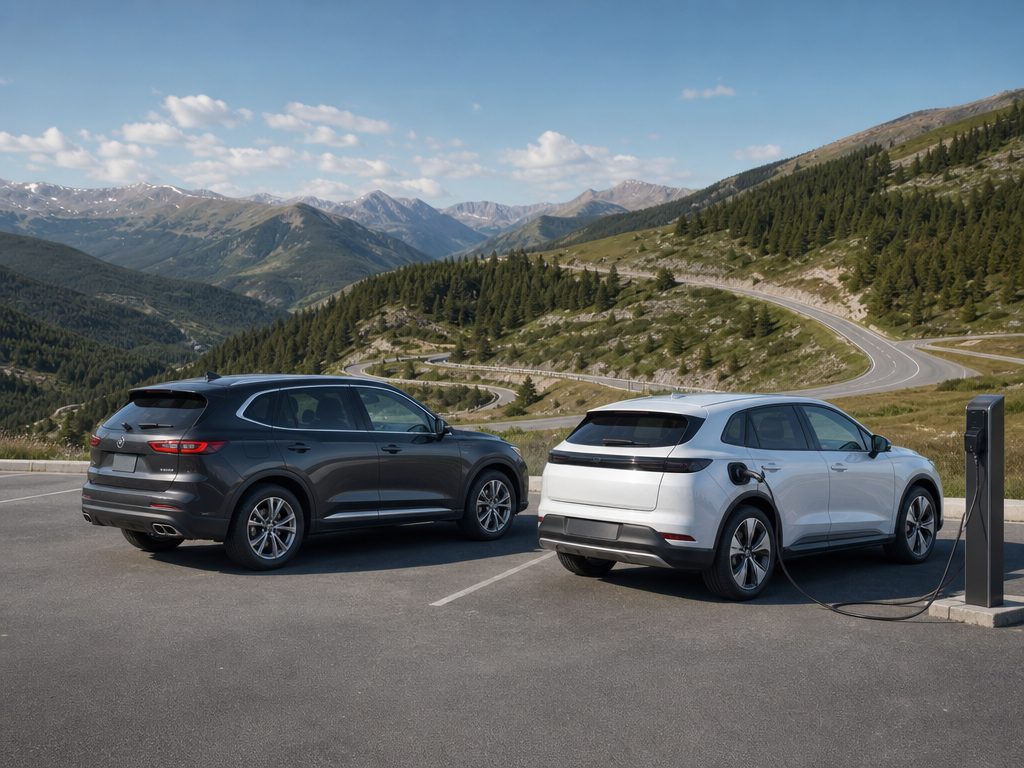
For many prospective EV buyers, the transition from gas stations to charging stations represents the most significant shift in daily habits. Understanding the different tiers of charging infrastructure is essential to evaluating whether an EV fits your lifestyle. Charging is categorized into three distinct levels, each offering different speeds and electrical requirements.
Level 1 Charging (120V) utilizes a standard household outlet. It is slow, typically adding only 3 to 5 miles of range per hour. While insufficient for daily commuting in a pure battery electric vehicle, it can be adequate for plug-in hybrids or drivers with very short daily commutes. Level 2 Charging (240V) requires a dedicated 240-volt circuit, similar to what a heavy-duty clothes dryer or electric oven uses. Level 2 chargers add roughly 20 to 40 miles of range per hour, allowing you to fully replenish an EV battery overnight. For the vast majority of EV owners, having a Level 2 charger installed at home is the key to a seamless ownership experience, effectively eliminating the need to visit public charging stations during normal weekly routines.
If you are planning to install a home charging station, be aware that the Alternative Fuel Vehicle Refueling Property Credit (Section 30C) is scheduled to be repealed on June 30, 2026. To claim this 30% tax credit (up to $1,000) for hardware and installation, the charging unit must be fully installed and "placed in service" on or before June 30, 2026, and must be located in an eligible non-urban or low-income census tract. Homeowners should verify their property's eligibility using the official IRS guidelines for Section 30C before investing in expensive electrical upgrades. Upgrading an electrical panel to support a 40-amp or 50-amp dedicated circuit can be a significant upfront cost, making the timing of this tax credit highly relevant for budget-conscious buyers.
Sources: www.irs.gov
Public Charging Realities: DC Fast Charging and the NACS Transition
DC Fast Charging (Level 3) operates at high voltages, bypassing the vehicle's on-board charger to deliver direct current straight to the battery. This allows DC fast chargers to replenish an EV battery from 10% to 80% in as little as 20 to 40 minutes. These stations are critical for long-distance road trips, but they are not intended for daily use due to higher costs and increased thermal stress on the battery pack.
The public charging landscape is currently undergoing a massive transition. Historically, the industry was fragmented between Tesla's proprietary Supercharger network and the Combined Charging System (CCS) used by other manufacturers. However, the industry is rapidly consolidating around the North American Charging Standard (NACS), with almost all major automakers transitioning to NACS ports or providing adapters. This consolidation promises to make public charging far more reliable and accessible in the coming years.
Despite these advancements, public charging remains a challenge for renters, street-parkers, and those living in multi-family housing without dedicated parking. Relying solely on public DC fast chargers can be significantly more expensive than home charging, sometimes approaching or exceeding the per-mile cost of gasoline, and frequent fast charging can accelerate battery degradation over time. Prospective buyers should map out their local public infrastructure using independent platforms to ensure reliable access before making the switch.
Daily Range, Range Anxiety, and the Impact of Extreme Weather
"Range anxiety"—the fear of running out of battery power before reaching a charging station—remains a primary psychological barrier to EV adoption. While modern electric vehicles frequently offer EPA-estimated ranges between 250 and 350 miles on a full charge, real-world range can vary significantly based on driving habits, terrain, and, most notably, weather conditions.
Unlike internal combustion engine vehicles, which generate abundant waste heat that is redirected to warm the cabin, EVs must rely on battery power to heat the interior. In extremely cold temperatures, EV battery efficiency is hit by a double whammy: the chemical reactions within the lithium-ion cells slow down, reducing the battery's usable capacity, and the high energy demand of resistive cabin heaters drains the battery rapidly. Even in EVs equipped with highly efficient heat pump systems, cold weather can temporarily reduce driving range by 20% to 40%.
In contrast, gasoline vehicles maintain highly consistent fuel efficiency regardless of external temperatures, and their cabin heating systems operate essentially "for free" using engine waste heat. If you live in a region with harsh, prolonged winters and frequently drive long distances, you must factor this seasonal range reduction into your travel planning and vehicle selection. Conversely, extreme heat also impacts EVs due to the energy required to run air conditioning compressors and active battery cooling systems, though the range penalty is typically less severe than in freezing conditions.
Driving Dynamics and Performance: Instant Torque vs. Predictable ICE Power
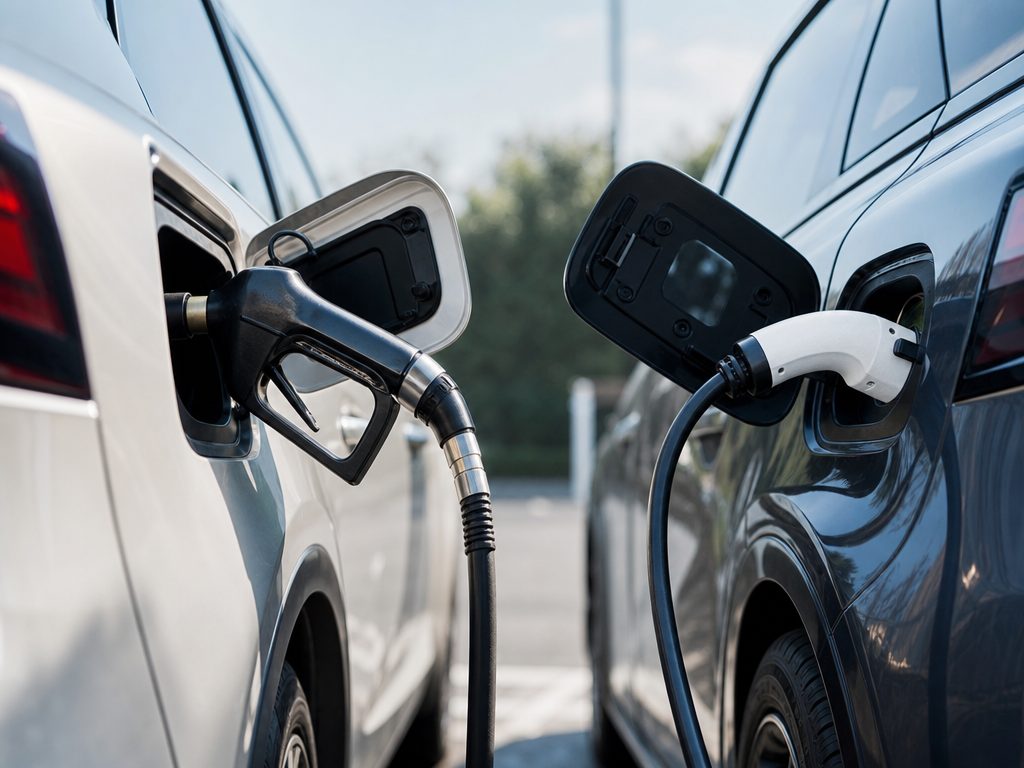
The physical experience of driving an electric vehicle is fundamentally different from that of a traditional gasoline-powered car. Electric motors deliver maximum torque instantly from a complete stop. This results in incredibly smooth, silent, and rapid acceleration without the delay associated with internal combustion engines, which must rev up to their power bands and shift through multiple transmission gears. This linear power delivery makes merging onto highways and navigating city traffic feel effortless.
Additionally, EVs offer a unique driving feature known as regenerative braking. When you lift your foot off the accelerator pedal, the electric motor reverses direction, acting as a generator to slow the vehicle down while sending electricity back into the battery. This technology allows for "one-pedal driving," where you can navigate stop-and-go traffic almost entirely without touching the mechanical brake pedal. It creates a highly intuitive, relaxed driving experience once the driver adjusts to the deceleration rate.
Gasoline vehicles, on the other hand, offer a highly familiar and predictable driving dynamic. The mechanical feedback of an engine revving, the physical sensation of gear shifts, and the consistent weight of the vehicle (which does not carry a massive, heavy battery pack low in the chassis) provide a driving experience that many enthusiasts still prefer. For long-distance highway cruising, the consistent power delivery of an ICE vehicle remains highly refined and predictable, offering a mechanical connection to the road that some drivers find missing in the near-silent operation of an EV.
Battery Longevity, Degradation, and Warranty Protections
A major concern for long-term vehicle owners is the longevity of EV batteries. Like the lithium-ion batteries in smartphones and laptops, electric vehicle batteries naturally degrade over time and through repeated charge-discharge cycles. This degradation manifests as a gradual loss of maximum driving range and overall power output.
To protect consumers, federal regulations require automakers to provide robust warranties on EV battery packs. In the United States, manufacturers must warrant EV batteries for at least 8 years or 100,000 miles (and up to 10 years or 150,000 miles in states that follow California's emissions standards), typically guaranteeing that the battery will retain at least 70% of its original capacity. This regulatory safety net provides peace of mind for the initial owner and early secondary buyers.
While modern battery management systems are highly sophisticated and designed to minimize degradation through active thermal liquid cooling, extreme heat, frequent DC fast charging, and regularly charging the battery to 100% can accelerate wear. Out-of-warranty battery replacements remain exceptionally expensive, often costing upwards of $10,000 to $20,000. For buyers who plan to keep their vehicles for 15 to 20 years, the potential cost of an eventual battery replacement is a critical risk factor that does not exist in the same way for traditional gas cars, where engine rebuilds or transmission replacements, while costly, are generally far less expensive.
Resale Value, Depreciation, and the Leasing Alternative
The rapid pace of technological innovation in the electric vehicle sector has created a unique depreciation dynamic. Because newer EV models continually offer longer ranges, faster charging speeds, and superior battery chemistries, older models can experience accelerated depreciation on the secondary market. Used car buyers are often hesitant to purchase older EVs due to concerns over battery health, out-of-warranty replacement costs, and technological obsolescence.
In contrast, gasoline vehicle technology is highly mature and evolves at a much slower, incremental pace. Consequently, popular gas-powered trucks, SUVs, and sedans tend to hold their resale value in a highly predictable manner over time, supported by a massive and well-understood secondary market.
To mitigate the risk of rapid depreciation and technological obsolescence, leasing has emerged as an exceptionally popular and practical pathway for entering the EV market. Leasing allows you to drive the vehicle during its peak battery health years (typically 2 to 3 years), enjoy the latest technology, and simply return the vehicle at the end of the term, shifting the risk of residual value loss entirely to the leasing company. However, if your goal is to build long-term equity and drive a vehicle with zero monthly payments for a decade or more, a highly reliable, U.S.-assembled gasoline vehicle—especially one that qualifies for the OBBBA car loan interest deduction—may represent a more stable financial path.
A Step-by-Step Transition Guide: Is an EV Right for You?
Deciding between a gas and electric vehicle should not be based on emotion. Instead, use this step-by-step transition checklist to determine which powertrain truly fits your daily life and financial reality:
1. Conduct a Two-Week Mileage Audit: For 14 consecutive days, track your exact daily mileage. Note your peak single-day mileage. Compare this peak to the conservative, cold-weather range of the EV models you are considering (typically 60% of their EPA-rated range). If your daily peak is comfortably within this limit, an EV will require zero changes to your daily routine.
2. Perform a Reversible Electrical Panel Audit: Hire a licensed electrician to inspect your home's electrical panel. A Level 2 home charger requires a dedicated 240-volt circuit (typically 40 to 50 amps). Determine if your panel has the physical space and electrical capacity to handle this load. If your panel requires a service upgrade from your utility provider (such as upgrading from 100-amp to 200-amp service), this can add $1,500 to $3,000+ to your installation costs, which must be factored into your upfront budget.
3. Analyze Your Local Utility Rates: Contact your electricity provider to see if they offer Time-of-Use (TOU) rate plans. These plans offer significantly cheaper electricity during off-peak hours (usually overnight). Calculate the cost per mile of charging your EV overnight versus the cost per mile of buying gasoline at local stations.
4. Map Your Local Public Infrastructure: Download charging applications like PlugShare or ChargePoint. Physically visit the public DC fast chargers along your frequent travel routes. Verify their operational uptime, charging speeds, and plug compatibility (CCS vs. NACS).
5. Evaluate Your Tax and Financing Strategy: If you are financing a new vehicle, verify if the model you are considering undergoes final assembly in the United States. If it does, you can leverage the OBBBA "No Tax on Car Loan Interest" deduction to write off up to $10,000 in interest annually on Schedule 1-A, regardless of whether you choose a gas or electric model. Ensure your MAGI falls below the phaseout limits ($150,000 for single filers, $250,000 for joint filers) to maximize this benefit.
By systematically working through these steps, you can strip the emotion out of the decision and choose the vehicle that delivers the optimal balance of environmental sustainability, financial efficiency, and daily convenience for your unique situation.
- https://www.epa.gov/egrid
- https://www.fueleconomy.gov
- https://www.irs.gov/newsroom/working-families-tax-cuts
- https://www.irs.gov/credits-deductions/credits-for-new-clean-vehicles-purchased-in-2023-or-after
- https://www.irs.gov/credits-deductions/used-clean-vehicle-credit
- https://www.irs.gov/credits-deductions/commercial-clean-vehicle-credit
- https://www.irs.gov/credits-deductions/alternative-fuel-vehicle-refueling-property-credit