The Intellectual Appeal of Elite Pursuits
For the ultra-high-net-worth (UHNW) individual, leisure is rarely synonymous with passive relaxation. While a week spent lounging on a private beach may offer temporary physical rest, it often fails to satisfy a mind accustomed to constant analysis, strategic planning, and high-stakes decision-making. Instead, many leaders seek out complex, high-octane, or deeply creative hobbies that mirror the cognitive intensity of their professional lives. This phenomenon is rooted in the psychological concept of "flow"—a state of deep, effortless focus where the challenges of an activity perfectly match the individual's high skill level, effectively silencing daily corporate stressors and sparking innovative problem-solving.
By engaging in pursuits that require absolute concentration, leaders can achieve a form of active mindfulness. When navigating a race car at 150 miles per hour or calculating wind shear on a final aviation approach, there is no mental bandwidth left to worry about quarterly earnings or board disputes. Furthermore, these elite circles naturally serve as organic, non-transactional networking hubs. Relationships forged in a private hangar, on a polo field, or at an exclusive yacht club are built on mutual respect, shared discipline, and a common lifestyle, often laying the groundwork for future ventures far more naturally than any traditional corporate setting.
Precision Motorsports and Private Track Clubs
For those who crave speed, split-second decision-making, and mechanical precision, high-performance driving offers an unparalleled outlet. Rather than navigating public roads with speed limits and traffic, enthusiasts join private motorsports country clubs. These exclusive venues offer professional-grade asphalt, private garages, and one-on-one coaching from championship-winning drivers. Members can push multi-million-dollar supercars and dedicated track weapons to their absolute physical limits in a controlled, highly secure environment.
Two of the most prominent examples of these automotive sanctuaries are Monticello Motor Club in New York and The Thermal Club in California. Monticello Motor Club, located just 90 minutes from Manhattan, features a 4.1-mile track with 22 turns and dramatic elevation changes. Joining requires a significant financial commitment: their Silver membership carries an initiation fee of $92,500 with $9,200 in annual dues, while the unlimited-access Gold membership requires a $125,000 initiation fee and $19,600 in annual dues. On the West Coast, The Thermal Club takes exclusivity a step further by operating as a gated residential community built around 5.1 miles of private pavement. Membership at Thermal requires the purchase of on-site real estate—with trackside villas ranging from $3.5 million to over $10 million—alongside a standard family membership initiation fee of approximately $200,000 to $400,000 and monthly dues of around $3,200.
Getting started in this world is highly structured. Beginners typically begin by booking a private instruction day or a high-performance driving school, renting track-prepared vehicles like a spec Porsche or a Radical sports car. If the passion sticks, the next step involves purchasing track-specific insurance, investing in certified safety gear (including a custom-fitted SA2020+ helmet, a HANS device, and a fire-retardant suit), and applying for membership. Because track regulations, noise limits, membership initiation fees, and safety requirements are subject to frequent updates, aspiring drivers should always verify current rulebooks and pricing structures directly with the venues before investing in specialized track vehicles.
Aviation and the Pursuit of Private Flight
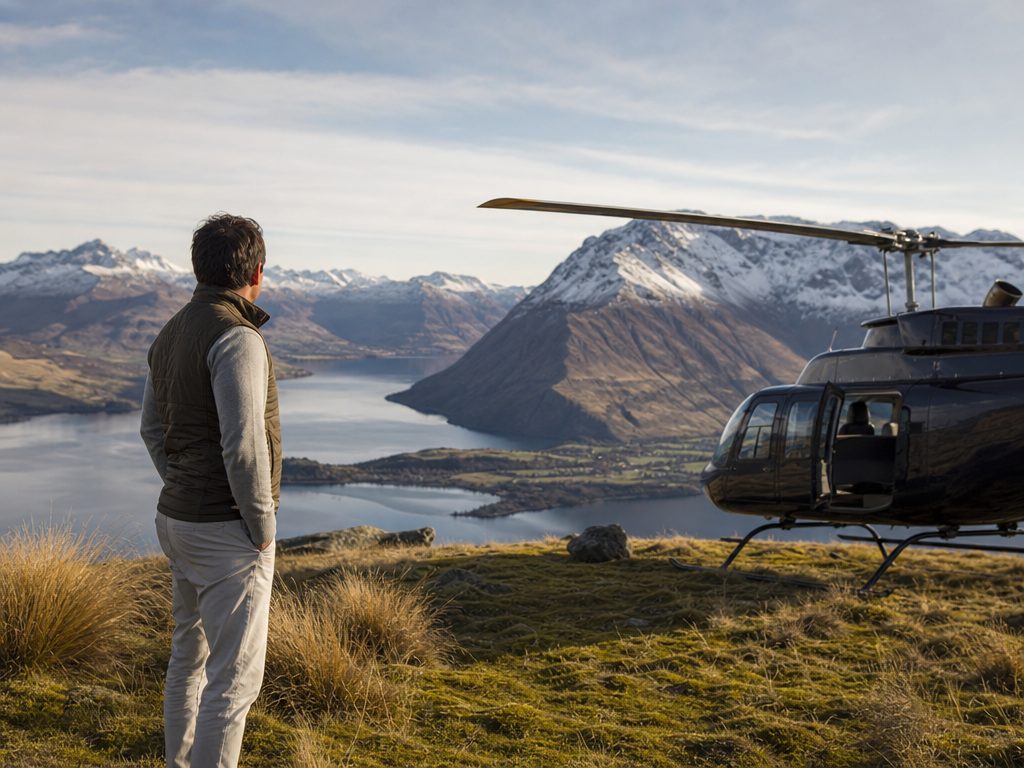
For many high-achievers, commanding an aircraft represents the ultimate synthesis of freedom, technical discipline, and personal responsibility. Learning to fly requires mastery of aerodynamics, meteorology, navigation, and federal aviation laws. The journey typically begins with earning a Private Pilot License (PPL), which requires a minimum of 40 flight hours under Federal Aviation Administration (FAA) regulations, though the national average to achieve proficiency is closer to 60 to 70 hours. Many pilots then progress to an Instrument Rating (IR), which trains them to navigate solely by reference to cockpit instruments, allowing for safe flight through clouds and challenging weather.
To explore this hobby without committing to the immense capital expenditure of aircraft ownership, enthusiasts typically start with a "discovery flight" at a local flight school. This low-risk, reversible step allows you to handle the controls alongside a Certified Flight Instructor (CFI). From there, aspiring pilots can utilize flying clubs or fractional ownership programs, such as NetJets, which offer access to a fleet of modern aircraft without the logistical headaches of sole maintenance, hangar rental, and insurance.
Aspiring pilots must also obtain an FAA Medical Certificate, which requires passing a physical exam conducted by an Aviation Medical Examiner (AME). Because aviation medical requirements, training costs, and airspace regulations fluctuate, it is vital to consult the Federal Aviation Administration directly for the most up-to-date licensing pathways and health standards.
Sources: www.faa.gov
Fine Art Collecting and Philanthropic Patronage
Art acquisition is far more than a financial investment; it is a deeply intellectual hobby that connects collectors with history, culture, and the creative vanguard. Elite collectors spend years training their eyes, studying art history, and building relationships with gallery directors, curators, and living artists. This hobby often evolves into philanthropic patronage, where collectors fund museum exhibitions, sponsor artist residencies, or commission bespoke public installations.
Navigating the opaque art market requires a strategic approach. Novice collectors are highly encouraged to hire an independent, credentialed art advisor—ideally one certified by a recognized professional body such as the Appraisers Association of America—to help authenticate works, assess condition, and negotiate purchases. Starting with limited-edition prints or works by emerging artists allows collectors to refine their tastes before committing substantial capital to blue-chip masterpieces.
Because the art market is highly unregulated and subject to shifting valuation trends, maintaining comprehensive fine art insurance policies and hiring professional conservationists to manage climate-controlled storage (typically maintained at a strict 70°F and 50% relative humidity) are essential steps for protecting your collection. Furthermore, tax laws regarding art donations and private foundations are highly complex and subject to change; collectors must consult qualified tax attorneys and current IRS guidelines to ensure compliance.
Sources: www.appraisersassociation.org
High-Seas Adventure via Superyacht Charters
The open ocean has long beckoned those with a taste for adventure, ultimate privacy, and maritime tradition. Blue-water sailing and superyacht ownership offer an unparalleled escape from the connected world. Whether navigating a classic sailing yacht in a prestigious Mediterranean regatta or exploring remote polar regions on an expedition vessel, the maritime lifestyle demands a deep respect for the elements and a sophisticated understanding of seamanship.
Because owning a superyacht involves massive annual operating costs—often estimated at ten percent of the vessel's original purchase price to cover crew salaries, maintenance, insurance, and dockage—most enthusiasts begin by chartering. Booking a crewed charter allows you to test different hull designs, crew configurations, and destinations with zero long-term commitment. When booking, pay close attention to the Advanced Provisioning Allowance (APA), which typically adds 30% to 40% to the base charter fee to cover fuel, food, and dockage fees during your voyage.
These costs are highly volatile and depend heavily on global fuel prices and local port tariffs. To safeguard your investment, always utilize standard contracts from reputable organizations like MYBA (The Worldwide Yachting Association) and work with a certified yacht broker to navigate the complex legalities of international maritime charters.
Sources: www.myba-association.com
Haute Horology and Bespoke Watch Commissioning
The world of haute horology appeals to those who appreciate micro-engineering, historical craftsmanship, and rare aesthetics. True watch connoisseurs do not merely buy luxury timepieces off the shelf; they seek out rare vintage references, attend international watch auctions, and build relationships with independent watchmakers to commission one-of-a-kind bespoke timepieces. Understanding the mechanical complexity of a tourbillon, a minute repeater, or a perpetual calendar requires a high level of technical curiosity and appreciation for hand-finished movements.
To enter this exclusive community, start by attending local collector meetups and researching the provenance of various watchmakers. Building a relationship with an Authorized Dealer (AD) is a traditional pathway, though waitlists for highly coveted models can stretch on for years. Because the secondary watch market experiences significant price volatility and counterfeit techniques have become incredibly sophisticated (with "superclones" defying casual inspection), always utilize third-party authentication services and buy from established, reputable dealers. Connoisseurs can deepen their technical knowledge by studying resources provided by authoritative bodies such as the Fondation de la Haute Horlogerie.
Sources: www.hautehorlogerie.org
The Strategic World of Competitive Polo and Equestrian Sports
Often referred to as the "Sport of Kings," polo combines intense physical athleticism, equestrian mastery, and rapid tactical decision-making. Unlike passive equestrian pursuits, competitive polo demands absolute focus and split-second coordination as players guide high-speed horses while maneuvering a mallet to score goals. It is a highly strategic game that mirrors the fast-paced, collaborative, and risk-calculated nature of corporate leadership.
For those seeking the pinnacle of the sport, the historic Guards Polo Club in Windsor Great Park, United Kingdom, represents the ultimate venue. Closely associated with the British Royal Family, the club hosts some of the world's most prestigious high-goal tournaments, including the Cartier Queen's Cup. Playing membership at Guards is highly exclusive, requiring a Patron Joining Fee of £46,800 alongside an annual playing subscription of £13,000.
Beyond club fees, the logistical tail of competitive polo is immense. A patron (the amateur team sponsor who plays alongside professionals) must maintain a "string" of polo ponies—typically four to six horses per match to allow for rotation between high-intensity chukkas. This requires employing professional grooms, securing year-round stabling, and financing veterinary care and transport. Aspiring players should begin by taking lessons at a certified polo academy to assess their riding proficiency and physical stamina before investing in horses.
Sources: www.guardspoloclub.com

Ultra-Exclusive Winemaking and Vineyard Ownership
For wine connoisseurs, the ultimate progression of their passion is transitioning from collector to vintner. However, purchasing and managing a commercial vineyard involves massive capital expenditure, agricultural risks, and complex distribution regulations. To bypass these operational headaches while still experiencing the intellectual joy of viticulture, wealthy enthusiasts turn to private, members-only winegrowing estates.
The pioneer of this model is The Napa Valley Reserve, an ultra-exclusive, invitation-only estate in St. Helena, California, founded by legendary vintner Bill Harlan. Shrouded in privacy, the club hosts a select group of members who pay an initiation fee reportedly exceeding $150,000. Under the tutelage of world-class winemakers, members can participate in every stage of the winemaking process—from winter pruning and autumn harvesting to selecting oak barrels and designing custom labels. Most importantly, members can blend and bottle up to three barrels of their own private cuvées per vintage.
It is critical to note the legal boundaries of this hobby: private cuvées produced at such estates cannot be commercially sold due to strict federal and state alcohol regulations. Instead, these bespoke bottles are intended strictly for personal cellaring, gifting to friends and family, or donating to charity auctions. Aspiring vintners should contact the estate directly to inquire about the invitation and referral process.
Sources: thenapavalleyreserve.com
Extreme Expeditions and Polar Exploration
As luxury resorts become increasingly accessible, ultra-high-net-worth travelers are shifting their focus toward extreme expeditions that test their physical limits and mental resilience. Chief among these destinations is the interior of Antarctica, a vast, pristine wilderness that remains one of the most remote places on Earth. This is not a passive cruise; it is an active, logistically complex exploration of the polar plateau.
White Desert Antarctica is the premier operator facilitating these high-stakes journeys, flying guests directly from Cape Town to private ice runways on the continent via Gulfstream G550 or Airbus A340 aircraft. The cost of these expeditions reflects the monumental logistics involved: their signature "South Pole & Penguins" eight-night itinerary is priced at $115,500 per person, while the early-season "Baby Penguins & Blue Tunnels" trip costs $75,250. For ultimate privacy, a full camp buyout can range up to $1.25 million.
Participating in polar exploration requires rigorous preparation. Guests must submit comprehensive medical clearances completed within 30 days of departure and invest in specialized polar gear. Furthermore, because operations in Antarctica are entirely dependent on highly volatile weather patterns, travelers must maintain absolute schedule flexibility, as flights and activities can be delayed by days. Aspiring explorers should verify current environmental protocols and travel requirements with the International Association of Antarctica Tour Operators.
Sources: white-desert.com
High-Performance Sailing and Regatta Racing
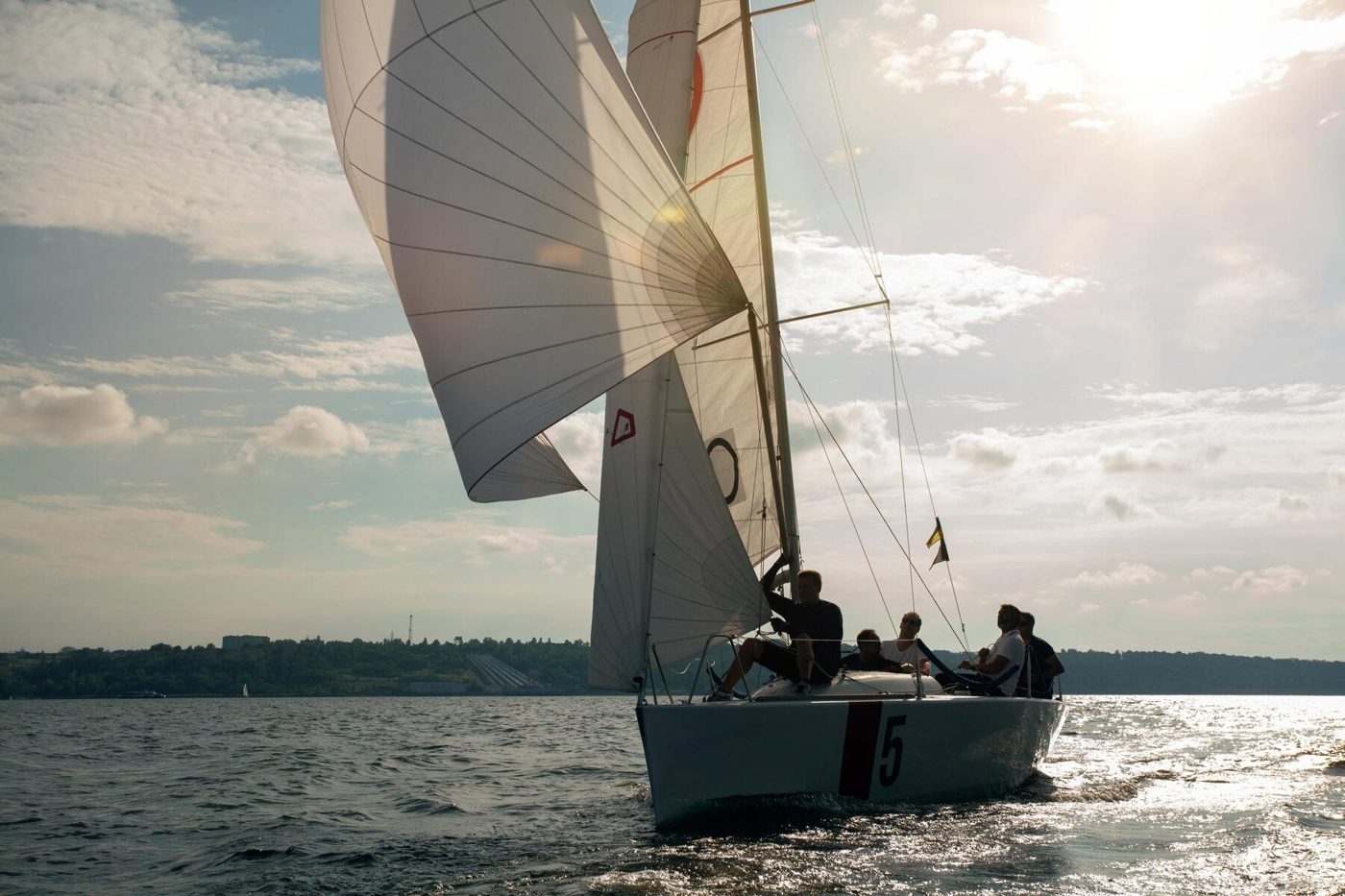
While chartering a superyacht offers relaxation, competitive grand prix yacht racing provides an intense, tactical challenge that appeals directly to analytical minds. Racing in elite regattas requires a deep understanding of fluid dynamics, meteorology, and complex handicap rating systems, alongside the ability to coordinate a large, highly skilled crew under high-pressure conditions.
One of the most prestigious arenas for this sport is the Maxi Yacht Rolex Cup, organized annually by the Yacht Club Costa Smeralda in Porto Cervo, Sardinia. This event brings together the world's most advanced sailing machines—monohulls over 60 feet in length—to race within meters of each other on challenging coastal courses. For those seeking one-design racing at the absolute highest level, the TP52 Super Series represents the pinnacle of monohull grand prix racing. These 52-foot carbon-fiber racing yachts operate under an "owner-driver" rule, which mandates that the amateur owner must helm the boat during races, placing them directly in the heat of tactical decision-making alongside Olympic and America's Cup professionals.
Campaigning a competitive racing yacht is an immense logistical and financial undertaking, requiring a dedicated support team, continuous sail development (utilizing advanced technologies like North Sails' 3Di), and global transport logistics. Because class rules, entry requirements, and event schedules are updated annually by governing bodies like the International Maxi Association, prospective owners must consult official class representatives to understand current compliance and rating standards.
Sources: www.yccs.it, www.52superseries.com
Practical Strategies for Testing the Waters
Embarking on a lavish new hobby does not require an immediate multi-million-dollar commitment. The smartest approach is to utilize fractional platforms, high-end rental clubs, and introductory experiences to test your genuine interest and physical aptitude before buying assets outright. This systematic, trial-and-error phase ensures you invest your time and capital only in pursuits that bring you genuine intellectual fulfillment and joy.
Before taking the plunge, establish a clear operational budget and research the hidden costs of your chosen hobby. For motorsports, this includes track insurance, tire consumption, and specialized mechanical support; for aviation, it involves hangarage, annual inspections, and currency training; for art, it encompasses climate-controlled storage, conservation, and professional appraisals. Because luxury markets, safety regulations, and membership fees are subject to sudden shifts, treat all initial pricing as fluid. Always verify the current rules, fee structures, and safety standards directly with official governing bodies, flight schools, or private clubs before signing any long-term agreements.
Sources: www.faa.gov, www.myba-association.com
- https://www.monticellomotorclub.com
- https://thethermalclub.com
- https://www.faa.gov
- https://www.appraisersassociation.org
- https://www.myba-association.com
- https://www.hautehorlogerie.org
- https://www.guardspoloclub.com
- https://thenapavalleyreserve.com
- https://white-desert.com
- https://www.yccs.it
- https://www.52superseries.com