The Foundations of a Balanced Plate: Macronutrient Synergy and the "Real Food" Reset
Building a balanced meal is one of the most effective ways to maintain consistent energy levels, support metabolic health, and foster long-term physical wellness. Rather than focusing on restrictive, short-lived eating plans that often lead to nutritional deficiencies and burnout, a balanced approach centers on fueling your body with a diverse, satisfying array of nutrient-dense foods. This guide provides educational information only; it is not medical or veterinary advice. Consult an appropriately licensed professional for decisions about care. To understand how to build these meals, it helps to look at the latest federal nutrition standards. Released on January 7, 2026, by the United States Department of Agriculture (USDA) and the Department of Health and Human Services (HHS), the Dietary Guidelines for Americans, 2025–2030 represent a major shift in federal nutrition policy. The guidelines urge Americans to "eat real food" by prioritizing whole, nutrient-dense options—such as lean proteins, vegetables, fruits, healthy fats, and whole grains—while dramatically cutting back on highly processed foods, added sugars, and refined carbohydrates. To visually represent this shift, the guidelines reintroduce an inverted food guide pyramid, accessible via official federal resources, which emphasizes a foundation of whole foods. When you combine these elements, you create macronutrient synergy. This synergy slows down digestion, prevents rapid blood sugar spikes, and ensures a steady, sustained release of energy throughout your day.
Sources: www.usda.gov, www.myplate.gov
The Half-Plate Strategy: Prioritizing Non-Starchy Vegetables and Navigating the Potato Exception
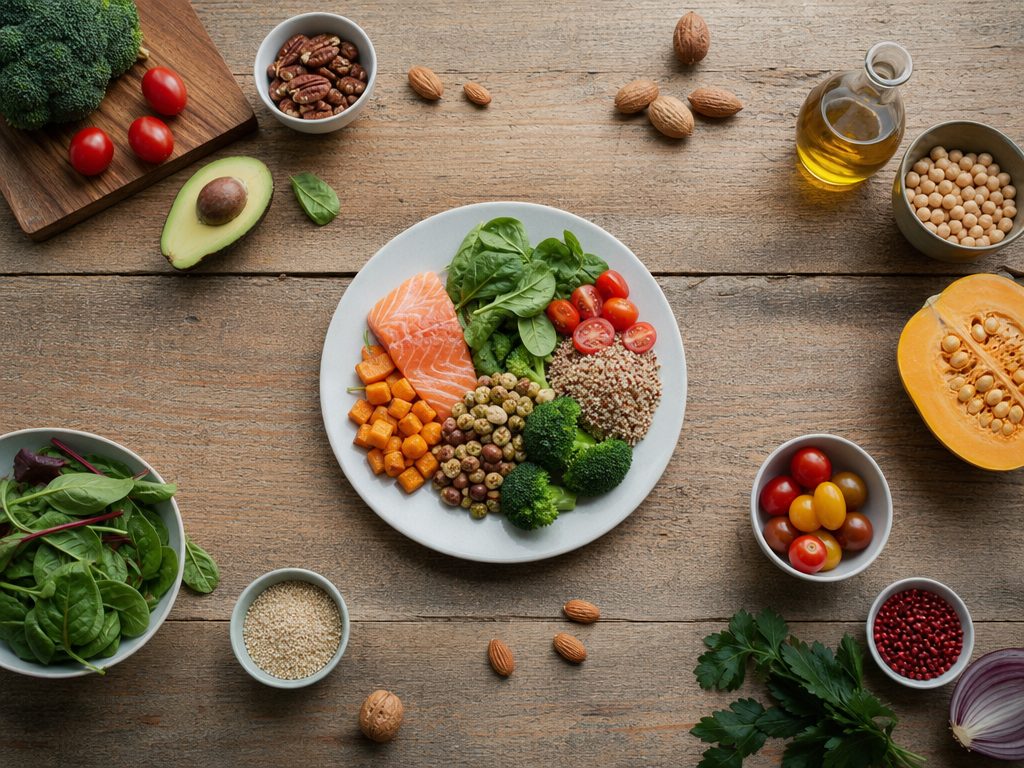
A simple and highly visual way to organize your meals is the half-plate strategy. Aim to fill half of your plate with non-starchy vegetables and fruits. These foods are packed with essential vitamins, minerals, and dietary fiber, which promote digestive health, support a robust gut microbiome, and keep you feeling full. Excellent choices include leafy greens (like spinach and kale), broccoli, bell peppers, carrots, and tomatoes. However, it is crucial to understand the distinction between different types of vegetables. According to the Harvard Healthy Eating Plate, potatoes and french fries do not count as vegetables in this category. This exclusion is due to their high glycemic load, which causes a rapid, negative impact on blood sugar levels, similar to refined carbohydrates. If raw vegetables cause you digestive discomfort, such as bloating or gas, you can easily steam, roast, or sauté them to break down tough plant fibers and make them easier to digest. This modification is entirely reversible; as your gut microbiome adapts to a higher fiber intake, you can gradually reintroduce raw options to enjoy different textures. Incorporating a wide variety of colors—often referred to as "eating the rainbow"—ensures that you consume a broad spectrum of phytonutrients and antioxidants, which play a critical role in overall immune function and metabolic health.
Sources: www.hsph.harvard.edu, www.cdc.gov
Integrating High-Quality Proteins: Prioritizing Plant and Lean Sources Over Processed Meats
Protein is the fundamental building block of the human body, crucial for muscle repair, immune function, cellular regeneration, and satiety. To support these vital processes, dedicate about one-quarter of your plate to high-quality protein sources. When selecting your proteins, the Harvard School of Public Health recommends prioritizing plant-based proteins (such as beans, peas, lentils, and nuts), as well as fresh fish and poultry, over red and processed meats. Processed meats, such as bacon, sausage, and cold cuts, are strongly associated with increased risks of cardiovascular disease and type 2 diabetes, and should be strictly limited or avoided entirely. Incorporating clean, minimally processed protein into every meal helps stabilize blood sugar levels by slowing down the absorption of glucose, preventing the sudden energy crashes often associated with high-carbohydrate meals. Balancing your protein intake with regular physical activity is also key to maintaining lean muscle mass and supporting a healthy weight over time. By focusing on clean, high-quality protein sources, you provide your body with the essential amino acids it needs to rebuild tissues, maintain metabolic efficiency, and keep hunger hormones in check.
Sources: www.hsph.harvard.edu, www.cdc.gov
Navigating Complex Carbohydrates: The Whole Grain Standard and Serving Metrics
The remaining quarter of your plate should be reserved for complex carbohydrates, which serve as your body's primary and most efficient energy source. Unlike refined grains, complex carbohydrates contain intact dietary fiber, which slows down digestion and provides a steady, gradual release of glucose into your bloodstream. The Dietary Guidelines for Americans, 2025–2030 take a stronger stance on grain quality than previous editions, urging consumers to "Focus on Whole Grains" and significantly reduce highly processed, refined carbohydrates, such as white bread, flour tortillas, and packaged breakfast options. For a standard 2,000-calorie diet, the guidelines recommend consuming 2 to 4 servings of whole grains daily. To help you measure this accurately, a single serving is defined as half a cup of cooked oats, brown rice, barley, quinoa, or buckwheat; one slice of whole-wheat bread; or one whole-grain tortilla. The Harvard Healthy Eating Plate specifically warns that refined grains, such as white rice and white flour, act like sugar in the body, leading to rapid insulin spikes and subsequent energy crashes. If you find that a particular grain feels too heavy or causes sluggishness, you can adjust your plate by substituting half of the grain portion with riced cauliflower or broccoli, keeping the volume of your meal high while reducing the overall glycemic load.
Sources: www.myplate.gov, www.hsph.harvard.edu
Incorporating Beneficial Fats: Debunking Low-Fat Myths with Healthy Plant Oils
Healthy fats are a vital component of a balanced meal, though they have historically been misunderstood or avoided due to outdated low-fat diet trends. Fats play a critical role in hormone production, brain health, joint lubrication, and the absorption of fat-soluble vitamins (A, D, E, and K). Integrate small amounts of unsaturated fats into your meals, such as a drizzle of extra virgin olive oil, a quarter of an avocado, or a sprinkle of chia seeds, flaxseeds, or walnuts. The Harvard Healthy Eating Plate encourages the use of healthy plant oils—including olive, canola, soy, corn, sunflower, and peanut oil—and notably does not set a maximum limit on healthy fat calories, directly opposing the low-fat messaging historically promoted by federal agencies. However, saturated fats require careful management. While the 2025–2030 guidelines retain the recommendation to limit saturated fat to less than 10% of total daily calories, they controversially include full-fat dairy and butter as options. This inclusion has drawn criticism from prominent nutrition experts, such as Dr. Frank Hu of the Harvard T.H. Chan School of Public Health, who warn that these recommendations send mixed messages that could potentially increase cardiovascular risks. Because fats are calorically dense, keeping portions mindful is key; if you accidentally over-pour oil, you can easily balance the meal's overall density by reducing the fat content in your next snack or meal.
Sources: www.hsph.harvard.edu
Rethinking Dairy and Beverages: The Harvard vs. MyPlate Dairy Debate
No balanced meal is complete without proper hydration, as water is essential for digestion, cellular function, and nutrient transport. While the USDA's MyPlate model traditionally includes a dairy cup next to the plate, the Harvard Healthy Eating Plate recommends replacing sugary drinks and excessive dairy with water, tea, or coffee with little to no added sugar. Harvard's guidelines recommend limiting milk and dairy to just one to two servings per day, pointing out a lack of evidence that high dairy intake protects against bone fractures, alongside potential links to prostate and ovarian cancers. Furthermore, while fruit juice is often perceived as a healthy option, Harvard advises limiting even 100% fruit juice to one small glass (approximately 6 ounces) per day because it contains as much sugar and calories as sugary soda without the beneficial fiber of whole fruit. Staying hydrated primarily with pure water supports your body's natural detoxification pathways, joint lubrication, and cognitive function. Drinking water before and during meals can also assist with natural portion control and help your digestive tract process dietary fiber more efficiently, preventing bloating and promoting regularity.
Sources: www.hsph.harvard.edu, www.myplate.gov
Customizing Your Portions: Adapting the Plate to Individual Lifestyles and Metabolic Needs
Keep in mind that nutritional requirements are highly individual and can change based on your age, biological sex, activity level, and overall health status. For instance, highly active individuals, endurance athletes, or those with physically demanding jobs may require larger portions of complex carbohydrates to fuel their training and recovery, while those with sedentary lifestyles might benefit from slightly smaller grain portions and a heavier emphasis on non-starchy vegetables. Because dietary guidelines and individual health needs evolve, always consult a registered dietitian or healthcare provider before making major changes to your eating patterns. The USDA provides personalized tools on MyPlate.gov to help individuals calculate their specific daily food group targets based on personal metrics. Learning to listen to your body's internal hunger and fullness cues—rather than strictly adhering to rigid, external rules—is a crucial step in developing a healthy, lifelong relationship with food. By treating the balanced plate as a flexible framework rather than a strict set of rules, you can easily adapt your meals to match your daily energy expenditure and personal wellness goals.
Sources: www.myplate.gov, www.cdc.gov

Practical Meal Prep Strategies: Batch Cooking and Component Assembly
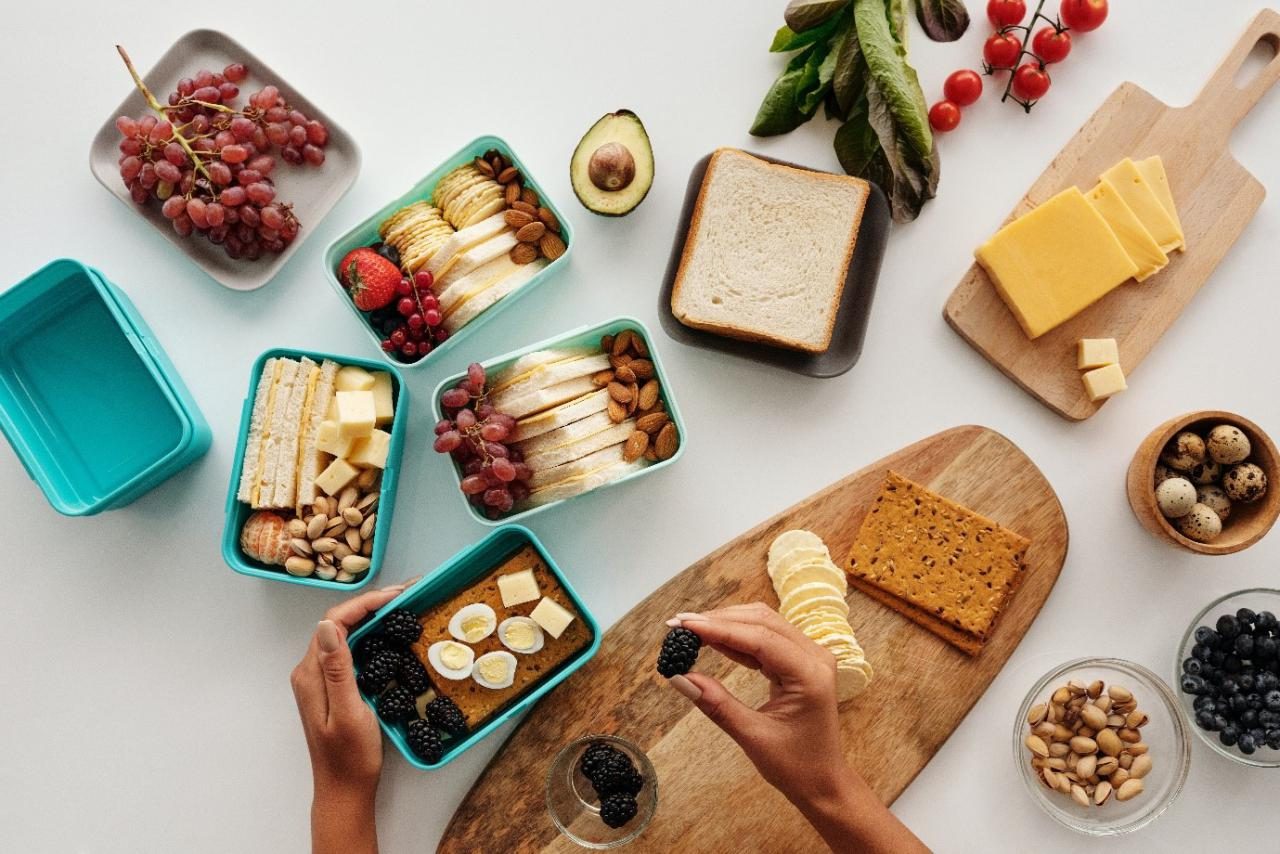
Translating the balanced plate concept into daily practice is much easier when you employ smart, systematic meal preparation strategies. Instead of cooking every single meal from scratch, which can lead to decision fatigue and convenience-food temptations, try batch-cooking key components of your plate once or twice a week. Prepare a large tray of roasted vegetables, cook a batch of quinoa, wild rice, or barley, and grill, bake, or air-fry several portions of lean protein like chicken breast, wild-caught fish, or tofu. When it is time to eat, assembling your balanced plate takes less than ten minutes. You can simply grab half a plate of pre-roasted vegetables, add a quarter-plate of your pre-cooked protein, and a quarter-plate of your whole grains. Keep healthy fats on hand, such as pre-portioned nuts, seeds, or a bottle of extra virgin olive oil, to quickly add as a finishing touch. This systematic approach reduces the cognitive load of healthy eating, saves significant time during busy weekdays, and ensures that you always have nutrient-dense options readily available.
Sources: www.cdc.gov
Budget-Friendly Balanced Eating: Maximizing Nutrient Density on a Dime
A common misconception is that eating a balanced, nutrient-dense diet is prohibitively expensive. However, with strategic planning and smart shopping habits, you can build a healthy plate while staying firmly within a budget. According to the Centers for Disease Control and Prevention (CDC), frozen and canned fruits and vegetables are nutritionally comparable to fresh produce because they are harvested and preserved at peak ripeness. To keep these options healthy, the CDC advises choosing canned or frozen vegetables with no added salt or sodium, and canned fruits packed in water or 100% juice rather than heavy syrup with added sugar. Additionally, the CDC recommends cost-saving strategies such as planning weekly meals around common ingredients to stretch recipes—such as using a whole chicken for multiple distinct meals—and shopping strictly with a grocery list, which has been shown to reduce impulse buys by up to 10%. Buying whole, unprepared foods instead of pre-cut or pre-packaged convenience items, and purchasing whole grains like brown rice, oats, and barley in bulk, further reduces costs. Incorporating highly affordable plant-based proteins like lentils, chickpeas, and black beans can also dramatically lower your weekly grocery expenses while keeping your nutrition on track.
Sources: www.cdc.gov
Navigating Dining Out: Managing Portion Distortion in a "Super-Sized" World
Maintaining a balanced plate can feel challenging when dining at restaurants or attending social gatherings, but it is entirely achievable with a few mindful strategies. According to the CDC, the average restaurant meal today is more than four times larger than it was in the 1950s, contributing significantly to unintentional overeating and portion distortion. To combat this, the CDC recommends reviewing restaurant menus online ahead of time to select healthy options before arriving, which helps prevent impulsive, hunger-driven decisions. When ordering, mentally apply the balanced plate visual guide. If your chosen entrée lacks vegetables, ask to substitute fries or chips with a side salad or steamed vegetables. You can also request that dressings, oils, and sauces be served on the side, allowing you to control the amount of fat and added sugars in your meal. To manage the oversized portions, consider splitting an entrée with a dining partner, or ask your server for a "to-go" box immediately when the meal arrives. Boxing up half of your portion right away prevents overeating and provides you with a balanced, ready-to-eat meal for the following day.
Sources: www.cdc.gov
Long-Term Sustainability: Overcoming Common Obstacles and Reversible Modifications
Ultimately, the key to long-term nutritional success is consistency rather than perfection. Adopting a balanced plate framework is not about eliminating your favorite foods or feeling guilty when a meal does not perfectly align with the quarter-and-half proportions. Instead, it is about building a sustainable, flexible habit that supports your body's physiological needs. If you experience a day where your meals are less balanced, view it as a normal part of life rather than a failure. The modifications suggested throughout this guide—such as swapping grains for riced vegetables or adjusting fat portions—are fully reversible and customizable. By focusing on whole, minimally processed foods, staying hydrated, and listening to your body's natural biofeedback, you can enjoy a vibrant, energetic lifestyle. For the most current, evidence-based nutritional guidelines and personalized dietary advice, regularly consult official public health resources such as the USDA's MyPlate platform and the Harvard T.H. Chan School of Public Health, or work directly with a registered dietitian.
Sources: www.cdc.gov, www.myplate.gov
- https://www.cdc.gov/
- https://www.fda.gov/consumers
- https://www.avma.org/resources-tools/pet-owners
- https://www.myplate.gov/
- https://www.hsph.harvard.edu/nutritionsource/healthy-eating-plate/
- https://www.cdc.gov/healthyweight/healthy_eating/index.html/
- https://www.cdc.gov/nutrition/index.html
- https://www.cdc.gov/healthyweight/healthy_eating/index.html
- https://www.usda.gov/
- https://www.cdc.gov/nutrition/index.html/