The Modern Commute: Beyond the Tailpipe
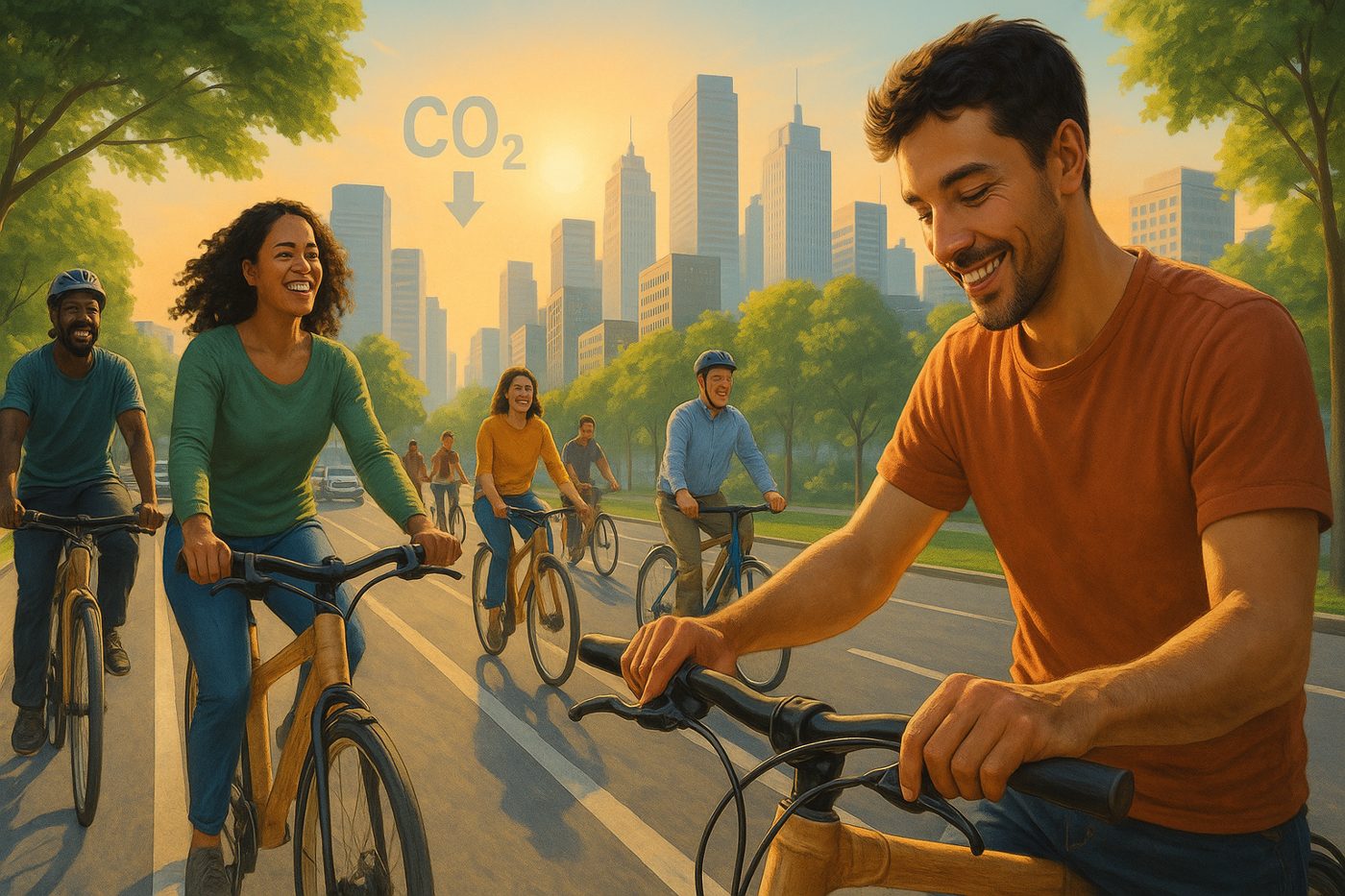
The daily commute has long been dominated by single-occupancy vehicles, contributing heavily to urban air pollution and global greenhouse gas emissions. However, a quiet revolution is taking place on city streets as more people turn to bicycles for their daily transportation needs. By choosing to pedal instead of drive, commuters are directly eliminating tailpipe emissions, which include carbon dioxide, nitrogen oxides, and fine particulate matter. This shift does more than just clear the air; it reduces the overall demand for fossil fuels and eases urban congestion.
Short trips under five miles make up a surprisingly large percentage of daily vehicle travel. According to the U.S. Environmental Protection Agency (EPA), these short drives are actually the most polluting mile-for-mile. This is because internal combustion engine (ICE) passenger vehicles do not run at peak efficiency until their engines and catalytic converters are fully warmed up. During the first few minutes of a drive, a cold engine emits a disproportionate amount of pollutants. Replacing these brief journeys with bicycle rides offers an immediate and highly effective way to curb personal emissions while protecting local air quality.
Sources: www.epa.gov
The Comparative Carbon Math: Grams per Passenger-Mile
To understand the true environmental impact of the bicycle, it helps to look at the comparative math of transit emissions. The European Cyclists' Federation (ECF) has conducted extensive research comparing the lifecycle emissions of various transportation modes. According to their findings, driving a standard passenger car emits approximately 271 grams of CO2 per passenger-kilometer. When converted to imperial measurements, this translates to approximately 436 grams of CO2 per passenger-mile (using the conversion factor of 1.60934 kilometers per mile).
In contrast, riding a conventional bicycle accounts for just 21 grams of CO2 per kilometer, which translates to approximately 33.8 grams of CO2 per mile. An electric bicycle (e-bike) is similarly efficient, emitting about 22 grams of CO2 per kilometer, or approximately 35.4 grams of CO2 per mile. From a tailpipe perspective, the EPA notes that the average gasoline-powered passenger vehicle on the road today emits about 404 grams of CO2 per mile from its tailpipe alone. This is calculated based on an average fuel economy of 22.0 miles per gallon, with each gallon of gasoline creating about 8,887 grams of CO2 when burned. By choosing a bicycle or e-bike over a car, a commuter reduces their transportation emissions by over 90% per mile traveled.
Sources: ecf.com, www.epa.gov
E-Bikes: Amplifying the Shift and Expanding Demographics
Electric bicycles, or e-bikes, have bridged the gap for those who find traditional cycling too physically demanding or impractical for longer distances. With a small electric motor assisting the rider's pedaling, e-bikes make hilly terrain, heavy cargo, and double-digit mileage commutes entirely manageable. This technology has expanded the demographic of daily riders, allowing older adults, those with physical limitations, and individuals commuting in professional attire to participate in active transit without arriving at their destination exhausted or sweaty.
From an emissions perspective, the electricity required to charge an e-bike battery is remarkably low. A typical e-bike battery has a capacity of 400 to 800 watt-hours (Wh). Charging this battery uses about as much energy as running a standard laptop for a few hours. While energy grid compositions vary by region—meaning your charging emissions will depend on whether your local utility relies on coal, natural gas, or renewable sources—the overall carbon footprint of an e-bike trip remains vastly lower than any car journey. Even on a coal-heavy grid, an e-bike is still significantly cleaner than an electric vehicle (EV), which requires a battery pack that is often 100 to 125 times larger.
Sources: ecf.com
Lifecycle Assessment (LCA): Cradle-to-Grave Comparison
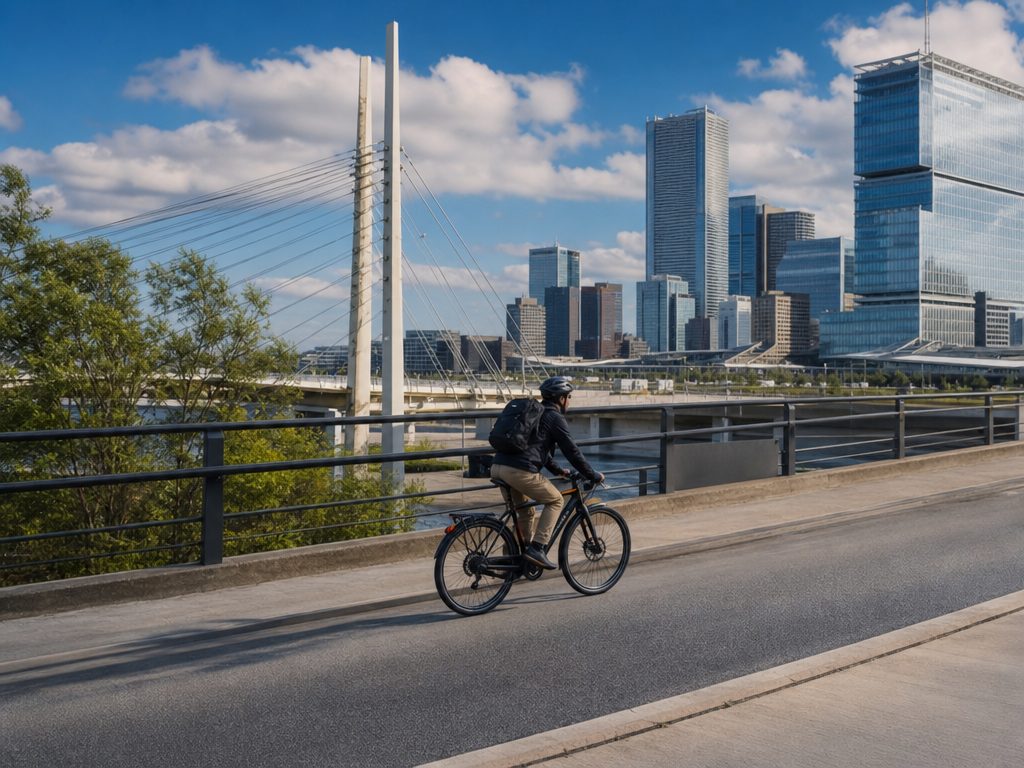
To truly evaluate the environmental benefit of cycling, one must consider the entire lifecycle of the vehicle, from raw material extraction and manufacturing to operation and end-of-life disposal. Building a car—whether gasoline-powered or electric—is an energy-intensive process that requires tons of steel, aluminum, plastics, and rare earth minerals. The manufacturing footprint of a standard gasoline-powered car is estimated at upwards of 5,500 kilograms of CO2 equivalent (CO2e), while electric vehicles can range from 5,500 to 17,500 kilograms of CO2e due to the resource-intensive production of their massive battery packs.
Bicycles, by comparison, require minimal materials and energy to manufacture. According to the Dutch research firm TNO, manufacturing a standard commuter bicycle produces approximately 96 kilograms of CO2e, while major manufacturers like Trek Bicycle estimate the average footprint of a conventional bike to be closer to 100 kilograms of CO2e. Electric bikes, which include a lithium-ion battery and a motor, have a slightly higher manufacturing footprint. The ECF estimates e-bike manufacturing emissions at 134 kilograms of CO2e, while Trek's sustainability data puts the figure closer to 165 kilograms of CO2e.
To understand how quickly an e-bike offsets this 'carbon debt,' we can look at the math. If a commuter replaces a standard gasoline-powered car trip (which emits approximately 404 grams of CO2 per mile from the tailpipe according to the EPA) with an e-bike, they save roughly 400 grams of CO2 per mile. To offset an e-bike's manufacturing footprint of 134 to 165 kilograms of CO2e, the rider must complete between 335 and 413 miles of riding. This is a remarkably short distance—often achievable within a few months of regular commuting.
Sources: www.trekbikes.com, ecf.com, www.epa.gov
The Food Factor: Human Fuel vs. Fossil Fuel
One of the most fascinating aspects of bicycle lifecycle assessments is the 'human fuel' factor. Unlike cars, which run on gasoline or electricity, a conventional bicycle is powered entirely by the rider's muscles. This physical exertion requires calories, and producing those calories has an agricultural carbon footprint. The ECF estimates that a conventional cyclist burns an additional 11 calories per kilometer compared to being inactive, with the average European diet emitting approximately 1.44 grams of CO2e per calorie produced.
This leads to a surprising paradox: because e-bikes provide motorized assistance, the rider exerts less physical effort and burns fewer additional calories per mile than a conventional cyclist. Consequently, when accounting for food-related emissions, an e-bike can actually have a lower overall carbon footprint than a conventional bicycle for riders with high-carbon diets (such as those heavy in beef, which has a massive agricultural footprint). While both modes are incredibly green, this highlights how closely our personal lifestyle choices—including what we eat—are intertwined with our transportation footprint.
Sources: ecf.com
Infrastructure and the Network Effect
The benefits of cycling multiply exponentially when communities invest in dedicated bicycle infrastructure. Protected bike lanes, bike-sharing programs, and secure parking facilities make riding safer and more appealing to the general public. As more people feel comfortable riding, a positive feedback loop is established: increased ridership justifies further infrastructure spending, which in turn attracts even more cyclists. This is known as the network effect, and it is a cornerstone of sustainable urban planning.
This network effect has broader implications for urban environments. When cities prioritize bicycles over cars, they can repurpose space previously dedicated to parking lots and wide roadways. Replacing asphalt with green spaces, parks, and tree-lined pathways helps reduce the urban heat island effect and improves rainwater management, creating more resilient and livable cities. Furthermore, reducing the number of cars on the road decreases traffic congestion, which in turn lowers emissions from the remaining idling vehicles.
Sources: ecf.com
E-Bike Battery Safety, Lifespan, and Recycling
While e-bikes are highly sustainable, their reliance on lithium-ion batteries introduces unique environmental and safety considerations. The extraction of battery materials like lithium, cobalt, and nickel carries a significant environmental toll, making it essential to maximize the lifespan of every battery produced. To extend your e-bike battery's life, experts recommend keeping the charge level between 20% and 80%, avoiding exposure to extreme heat or cold, and always using the manufacturer-approved charger to prevent thermal runaway or degradation.
When an e-bike battery eventually reaches the end of its useful life (typically after 5 to 10 years of regular use), it must not be thrown in the trash, as it poses a severe fire hazard and can leach toxic chemicals into landfills. Fortunately, the cycling industry has taken proactive steps to address this. In the United States, advocacy groups like PeopleForBikes have partnered with Call2Recycle to establish the industry's first nationwide e-bike battery recycling program. Commuters can drop off their expired batteries at thousands of participating retail locations and bike shops across the country, ensuring that valuable materials are safely recovered and kept in a closed-loop system.
Sources: www.call2recycle.org, www.trekbikes.com
Navigating Local Regulations and E-Bike Classifications
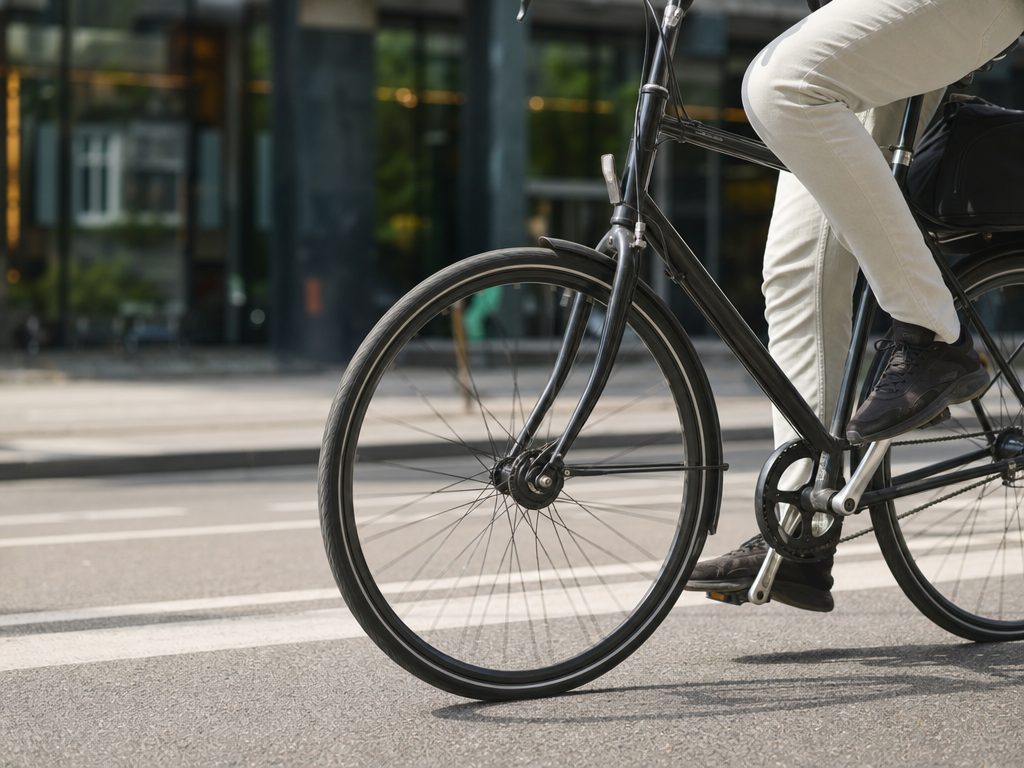
Before transitioning your commute to an e-bike, it is crucial to understand the regulatory landscape, which can vary significantly by jurisdiction. In the United States, e-bikes are generally categorized into a three-class system:
Class 1: Pedal-assist only, where the motor provides assistance only when the rider is pedaling, capping out at 20 mph.
Class 2: Throttle-assist, which features a motor controlled by a throttle that can propel the bike without pedaling, also capping out at 20 mph.
Class 3: Pedal-assist only, but with a motor that assists up to 28 mph and is typically equipped with a speedometer.
These classifications dictate where you can legally ride. For example, Class 3 e-bikes are often restricted from multi-use recreational paths and are limited to bike lanes on public roads. Additionally, helmet laws, age restrictions, and licensing requirements can differ by state and municipality. Because local municipal codes, state laws, and trail access rules are subject to frequent updates, riders should always consult their local department of transportation or municipal website for the most current regulations.
Sources: www.call2recycle.org
Practical Steps to Transition Your Commute
Transitioning from driving to cycling does not have to be an all-or-nothing decision. You can start with small, manageable changes to build confidence and establish a routine. Begin by identifying one short trip you regularly make—such as a weekend trip to a local coffee shop or a light grocery run—and commit to doing it on two wheels. As you become more comfortable, you can gradually replace one or two weekly work commutes.
To make your bicycle more utility-focused, consider the following gear checklist:
- Rear Rack and Panniers: Carrying cargo in bags attached to your bike is far more comfortable and stable than wearing a heavy backpack.
- Fenders: Essential for keeping road spray, mud, and water off your clothes during wet weather.
- High-Quality Lights: A bright front headlight and a flashing red rear light are critical for visibility, even during daytime rides.
- A Robust Lock: Invest in a high-quality U-lock or heavy-duty chain lock to secure your bike at your destination.
Always plan your route in advance using bicycle-specific mapping tools like Google Maps Cycling or Komoot, which highlight quieter side streets, dedicated paths, and bike lanes rather than busy main roads.
Sources: www.trekbikes.com
The Economic Equation: Financial Savings of Two Wheels
Beyond the profound environmental benefits, switching to a bicycle or e-bike offers substantial financial advantages. The cost of owning and operating a passenger vehicle is a major household expense, encompassing fuel, insurance, maintenance, registration, parking fees, and rapid depreciation. According to AAA, the average annual cost of owning a new car has risen significantly, making personal vehicles a heavy financial burden for many families.
In contrast, the annual maintenance and operating costs of a bicycle or e-bike are remarkably low. An e-bike may require a few dollars of electricity per year to charge, and routine maintenance—such as replacing tires, brake pads, and chains—costs a fraction of a single car repair bill. While a high-quality commuter e-bike represents an upfront investment (typically ranging from $1,500 to $4,000), this cost is often fully recouped within the first six to twelve months of replacing car trips. By reducing your reliance on a personal vehicle, you not only shrink your carbon footprint but also unlock significant long-term financial freedom.
Sources: www.epa.gov