
Understanding Honey as a Canine Treat
Educational information only; it is not medical or veterinary advice. Consult an appropriately licensed professional for decisions about care.
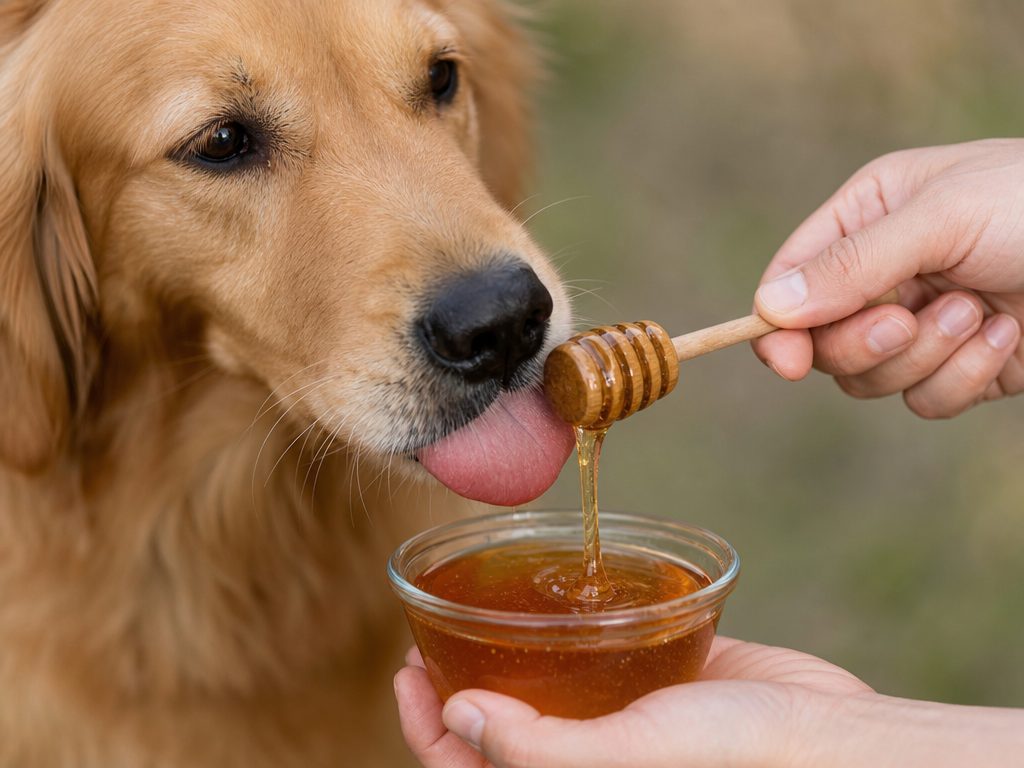
Many pet owners wonder if they can share a taste of natural honey with their canine companions. In general, honey is non-toxic to healthy adult dogs and can be offered as an occasional, highly regulated treat. However, because honey is not a natural part of a canine's primary evolutionary diet, it must only be given in minimal, strictly controlled amounts. While dogs are technically omnivores capable of digesting a wide variety of foods, their digestive systems are optimized for animal proteins, fats, and complex carbohydrates rather than concentrated simple sugars.
Before introducing any new human foods or treats to your dog's diet, it is highly recommended to seek professional guidance from your veterinarian. Pet owners can find valuable educational materials and support through veterinary organizations like the American Veterinary Medical Association (AVMA) to help make informed decisions about their animals' nutritional health and overall well-being. Understanding how your dog's specific breed, age, and health status interact with dietary additions is the first step in responsible pet ownership.
Sources: www.avma.org
The Nutritional Profile of Honey: What's Actually Inside?
To understand how honey affects a dog's body, we must look closely at its chemical composition. Honey is a supersaturated sugar solution produced by honeybees from the nectar of flowers. On average, honey is composed of approximately 40% fructose, 30% glucose, and 17% to 18% water. The remaining 12% consists of other complex sugars (such as maltose and sucrose), proteins, free amino acids, active enzymes, organic acids, and trace vitamins and minerals.
During the honey-making process, bees utilize specialized enzymes—such as invertase, amylase, and glucose oxidase—to break down complex nectar sugars into simple monosaccharides. While honey does contain trace amounts of vitamin C, B-complex vitamins, potassium, calcium, and magnesium, these micronutrients are present in such minuscule quantities that they offer no practical nutritional benefit to a dog. For a dog to absorb a meaningful amount of these vitamins and minerals from honey, they would have to consume a dangerous volume of sugar. Therefore, honey should never be viewed as a nutritional supplement, but rather as a high-calorie energy source that must be managed with extreme care.
Sources: www.ncbi.nlm.nih.gov
The Critical Threat of Botulism Spores in Puppies and Immunocompromised Dogs
While healthy adult dogs with robust immune systems and highly acidic digestive tracts can typically process small amounts of honey without issue, raw honey poses a distinct biological hazard to certain canines. Raw, unprocessed honey can harbor dormant spores of the bacterium Clostridium botulinum. If ingested by puppies, senior dogs, or dogs with compromised immune systems, these spores can germinate in the anaerobic environment of the gut and produce dangerous neurotoxins, leading to a serious illness known as botulism.
Because a puppy's digestive system and gut microbiome are not fully developed, you must never feed honey of any kind to dogs under one year of age. The Centers for Disease Control and Prevention (CDC) and the Merck Veterinary Manual highlight the severity of botulinum toxins, which are among the most potent biological toxins known. In vulnerable dogs, botulism causes progressive, flaccid paralysis that typically starts in the hind limbs and travels forward. If you suspect your pet has consumed contaminated food and you observe symptoms such as progressive muscle weakness, extreme lethargy, difficulty swallowing, or a weak bark, seek emergency veterinary care immediately.
Sources: www.cdc.gov, www.merckvetmanual.com
Metabolic Risks: Sugar, Obesity, and Pancreatitis
Honey is exceptionally calorie-dense and high in simple sugars. To maintain your dog's metabolic health, it is vital to understand the exact nutritional values of honey and avoid common portioning mistakes. A single level teaspoon of honey contains approximately 20 to 21 calories and 5 to 6 grams of sugar. In contrast, a single tablespoon of honey contains approximately 60 to 64 calories and 17 grams of sugar.
Feeding honey regularly can easily lead to rapid weight gain and clinical obesity, particularly in small, toy, or sedentary dog breeds. Furthermore, flooding a dog's system with concentrated simple sugars causes rapid spikes in blood glucose, placing a heavy burden on the pancreas to produce insulin. Over time, this metabolic strain can contribute to insulin resistance, diabetes, and acute pancreatitis—a painful and potentially life-threatening inflammation of the pancreas. To prevent these endocrine and metabolic disorders, the U.S. Food and Drug Administration (FDA) and veterinary nutritionists recommend that treats of any kind make up no more than 10 percent of your dog's daily caloric intake.
Sources: www.fda.gov
The Local Honey and Seasonal Allergies Debate
A popular theory among pet owners is that feeding local, raw honey can desensitize a dog to local pollens and alleviate seasonal allergies, acting as a natural form of immunotherapy. The underlying concept is that by consuming trace amounts of local pollen in the honey, the dog's immune system will gradually build a tolerance. However, clinical evidence supporting this practice in dogs is virtually non-existent, and the biological reality of canine allergies makes this outcome highly unlikely.
First, bees primarily collect heavy, sticky flower pollens (entomophilous pollens) that do not easily become airborne. In contrast, the environmental allergens that typically trigger seasonal allergies and atopic dermatitis in dogs are lightweight, wind-borne pollens (anemophilous pollens) from grasses, weeds, and trees. Because these wind-borne pollens are rarely present in significant amounts in honey, feeding honey is unlikely to target the specific allergens causing your dog's symptoms. While a small amount of honey is generally harmless to a healthy adult dog, it should never be relied upon as a primary treatment for chronic environmental allergies. For effective allergy management, consult your veterinarian about proven therapies such as antihistamines, cytopoint injections, or targeted immunotherapy.
Sources: www.akc.org
Soothing Properties: Honey for Kennel Cough and Throat Irritation
Despite the lack of allergy-fighting evidence, honey does possess practical, mechanical properties that can help soothe temporary, mild throat irritation. If your dog is suffering from a mild, self-limiting cough, a small drop of honey can provide temporary comfort. The thick, viscous texture of honey acts as a natural demulcent, coating the sensitive mucosal linings of the pharynx and throat to reduce the tickling sensation that triggers coughing fits.
This soothing effect is often utilized as a supportive home remedy for mild cases of Kennel Cough (Canine Infectious Respiratory Disease Complex). However, it is crucial to understand that honey is not a cure for the underlying viral or bacterial pathogens, such as Bordetella bronchiseptica. If your dog's cough is deep, persistent, sounds like a harsh "honking" noise, or is accompanied by fever, nasal discharge, lethargy, or difficulty breathing, you must bypass home remedies and seek immediate veterinary evaluation. These symptoms indicate a more severe respiratory infection or structural issue, such as a collapsing trachea, which requires targeted medical therapies.
Sources: www.akc.org
Raw vs. Pasteurized vs. Manuka Honey: Which is Best?
When choosing honey for your dog, it is important to understand how different processing methods affect both safety and potential benefits. Pasteurized honey has been heated to high temperatures to destroy yeast cells, prevent crystallization, and extend shelf life. While this process makes the honey highly stable, the intense heat also denatures the natural enzymes and reduces the antioxidant content, leaving behind what is essentially pure, processed sugar.
Raw honey is unheated and minimally filtered, preserving its natural enzymes, trace phytonutrients, and antioxidants. However, raw honey carries a higher risk of harboring Clostridium botulinum spores, making strict adherence to age and health restrictions vital. Manuka honey, produced from the nectar of the Manuka tree (Leptospermum scoparium), is highly regarded for its unique antibacterial properties, which are measured by a Unique Manuka Factor (UMF) rating. While Manuka honey is exceptionally beneficial, medical-grade Manuka honey (which is sterilized via gamma radiation to eliminate pathogens while preserving antibacterial activity) is primarily used topically by veterinarians to treat severe burns and wounds. Never apply standard grocery-store honey to a dog's wound, as it is not sterile and will simply prompt the dog to lick the area, worsening the tissue damage.
Sources: veterinarypartner.vin.com

Safe Portion Sizes: A Weight-Based Feeding Guide
If you choose to offer honey to a healthy, adult dog, strict portion control is the absolute key to preventing digestive upset and long-term metabolic complications. Honey must be treated as an occasional luxury, not a daily dietary staple. To help you feed honey safely, use the following weight-based portion guide, keeping in mind the corrected caloric values of honey:
* **Toy Dogs (Under 10 lbs):** No more than 1/8 to 1/4 teaspoon occasionally (approximately 2.5 to 5 calories).
* **Small Dogs (10 to 25 lbs):** No more than 1/4 to 1/2 teaspoon occasionally (approximately 5 to 10 calories).
* **Medium Dogs (25 to 50 lbs):** No more than 1/2 to 1 teaspoon occasionally (approximately 10 to 20 calories).
* **Large Dogs (50 to 90 lbs):** No more than 1 to 1.5 teaspoons occasionally (approximately 20 to 30 calories).
* **Giant Dogs (Over 90 lbs):** No more than 1 to 2 teaspoons occasionally (approximately 20 to 40 calories).
Always subtract these treat calories from your dog's daily caloric allotment to prevent gradual weight gain. If your dog is on a strict therapeutic diet, consult your veterinarian before offering even the smallest drop of honey.
Sources: www.akc.org
Step-by-Step Guide to Safely Introducing Honey
Introducing any new food to your dog's diet requires a cautious, systematic approach to ensure they do not experience adverse reactions. Follow this step-by-step checklist to safely introduce honey to your healthy adult dog:
1. **Consult Your Veterinarian:** Confirm that honey is safe for your dog's specific medical history, breed, and current weight.
2. **Source High-Quality Honey:** Choose pure, organic raw or pasteurized honey. Carefully read the ingredient label to ensure there are no added sugars, artificial preservatives, or dangerous sweeteners like xylitol, which is highly toxic to dogs.
3. **Administer a Micro-Dose:** Offer a tiny drop of honey (no larger than the size of a single pea) on the tip of your finger or a spoon.
4. **Monitor for 24 Hours:** Watch your dog closely for any signs of gastrointestinal distress, such as vomiting, diarrhea, flatulence, or a sudden loss of appetite. Additionally, monitor for signs of an allergic reaction, including facial swelling, hives, intense scratching, or difficulty breathing.
5. **Establish a Safe Frequency:** If your dog tolerates the micro-dose with no adverse effects, you may occasionally offer the recommended weight-based portion as a special treat, limiting it to once or twice a week at most.
Sources: www.fda.gov
When to Avoid Honey Entirely
There are several scenarios where honey must be completely excluded from a dog's diet to prevent severe health crises. First, dogs diagnosed with diabetes mellitus must never be fed honey. Because honey consists of simple sugars that are rapidly absorbed into the bloodstream, it can cause dangerous, unpredictable spikes in blood glucose levels, destabilizing the dog's insulin regimen and potentially leading to life-threatening diabetic ketoacidosis.
Second, dogs that are overweight, clinically obese, or prone to chronic inflammatory conditions like pancreatitis should avoid honey entirely. The high caloric density and sugar concentration can exacerbate weight gain and trigger painful pancreatic flare-ups. Third, dogs with known allergies to bee stings or bee venom may occasionally experience severe allergic reactions to honey itself, as trace bee proteins can remain in the final product. Finally, remember that puppies under one year of age must never consume honey due to the risk of infant botulism. Always prioritize your dog's specific medical history over general dietary advice.
Sources: www.avma.org
Creative and Safe Ways to Serve Honey to Your Dog
If your healthy adult dog enjoys the taste of honey and tolerates it well, there are several creative, safe ways to incorporate this sweet treat into their routine. Rather than feeding honey directly from a spoon—which can be incredibly sticky and difficult for a dog to swallow—try mixing it with other dog-safe, nutrient-dense ingredients. You can drizzle a tiny drop of honey over a tablespoon of plain, unsweetened Greek yogurt or pure, canned pumpkin puree (ensuring it is not pumpkin pie mix, which contains toxic spices and sugars).
Another excellent option is to dilute a small amount of honey in water and use it to freeze a interactive toy, such as a KONG, filled with dog-safe fruits like blueberries or banana slices. This provides mental stimulation and a cooling treat on a warm day. If you enjoy baking, you can use a teaspoon of honey as a natural binder in homemade dog biscuits made with oat flour and unsweetened applesauce.
Regardless of how you serve honey, always practice diligent dental hygiene. Because honey is highly sticky, it can easily cling to your dog's teeth and gums, promoting rapid plaque buildup, tartar accumulation, and periodontal disease. Be sure to brush your dog's teeth with dog-safe toothpaste shortly after they enjoy any sticky, sugary treat.
Sources: www.akc.org
- https://www.cdc.gov/
- https://www.fda.gov/consumers
- https://www.avma.org/resources-tools/pet-owners
- https://www.ncbi.nlm.nih.gov/pmc/articles/PMC5424551/
- https://www.merckvetmanual.com/dog-owners/brain,-spinal-cord,-and-nerve-disorders-of-dogs/botulism-in-dogs
- https://www.akc.org/expert-advice/nutrition/can-dogs-eat-honey/
- https://veterinarypartner.vin.com/