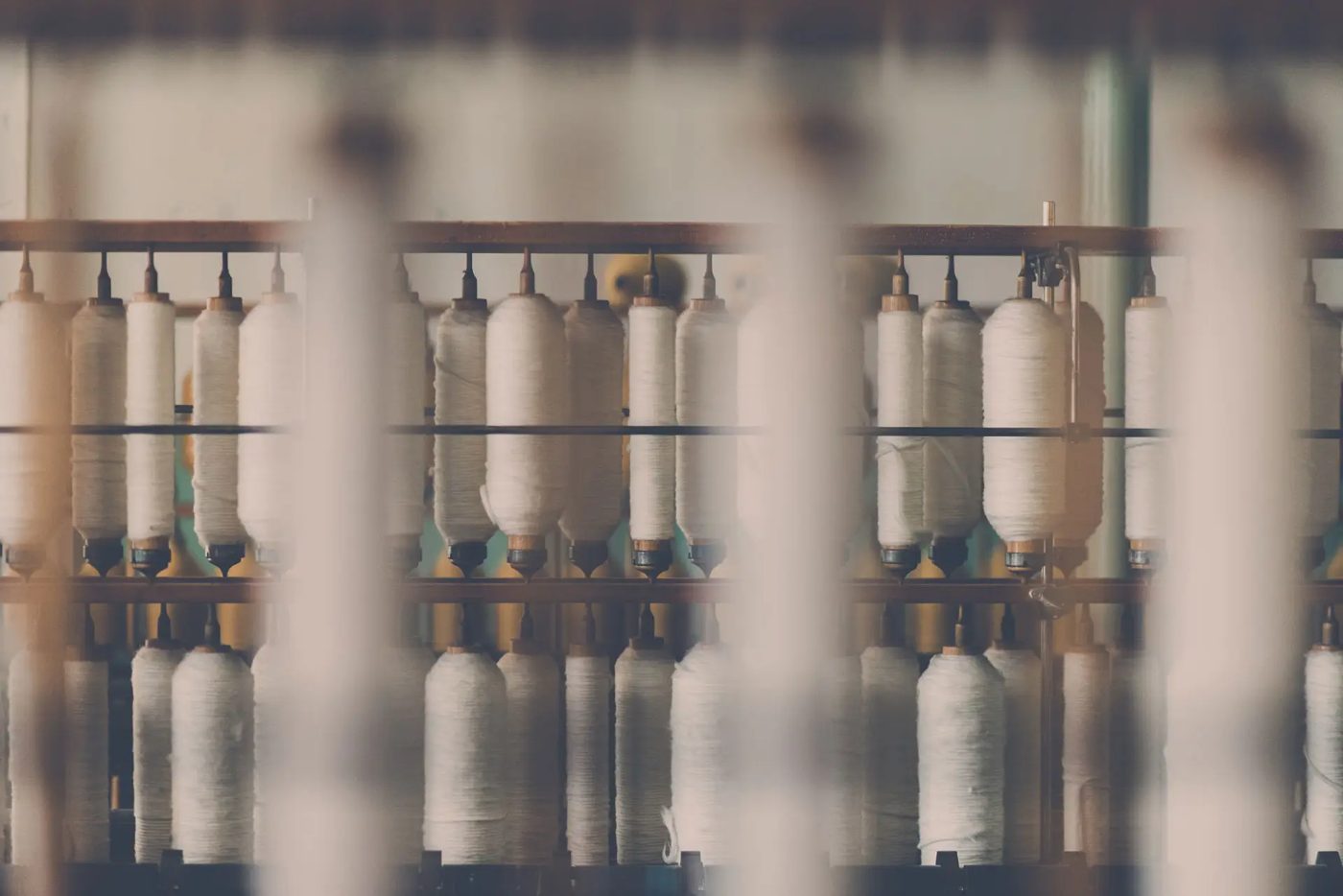
The Shift from Linear to Circular Fashion
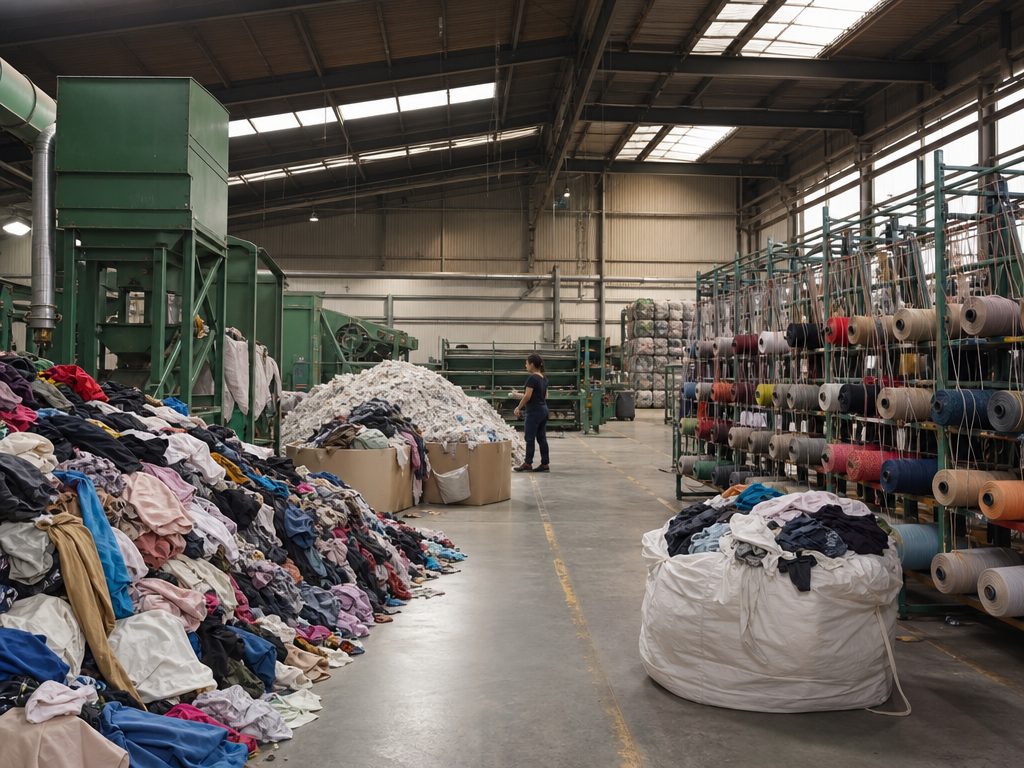
For decades, the global apparel industry has operated on a linear "take-make-waste" model. Raw materials are extracted, processed into textiles, manufactured into garments, and ultimately discarded in landfills or incinerators. This system places an immense strain on natural resources, contributes to heavy industrial pollution, and generates significant environmental waste.
The economic cost of this linear model is staggering. For example, in 2021 alone, California disposed of approximately 1.2 million tons of textiles. Managing and landfilling this waste cost taxpayers over $70 million, despite the fact that up to 95% of these textiles were actually reusable or recyclable. Transitioning to a circular economy is not just an environmental imperative; it is an economic optimization. By keeping materials in play at their highest utility and value for as long as possible, the industry can capture billions of dollars in lost value while drastically reducing its ecological footprint.
Sources: www.calrecycle.ca.gov
Designing for Disassembly and Monomateriality
A circular lifecycle begins at the drawing board. Historically, garments have been constructed from complex fiber blends—such as polyester-cotton mixes or cotton-elastane blends—which are incredibly difficult to separate and recycle. Today, forward-thinking designers are prioritizing "monomateriality," using 100% of a single fiber type, like pure organic cotton or pure wool, to ensure the end product can be easily processed at its end-of-life.
Additionally, designing for disassembly is becoming a standard practice. This involves using water-soluble sewing threads, easily removable buttons, and detachable hardware. By ensuring that a jacket or pair of jeans can be quickly stripped down to its base components, brands make mechanical and chemical recycling far more economically viable.
However, there are significant trade-offs. For instance, elastane (spandex) provides the comfortable stretch that consumers expect in modern denim and activewear. Yet, even a 2% elastane blend can completely disrupt traditional recycling machinery. Brands must balance consumer demands for comfort and performance with the engineering requirements of end-of-life recyclability.
Advancements in Textile-to-Textile Recycling
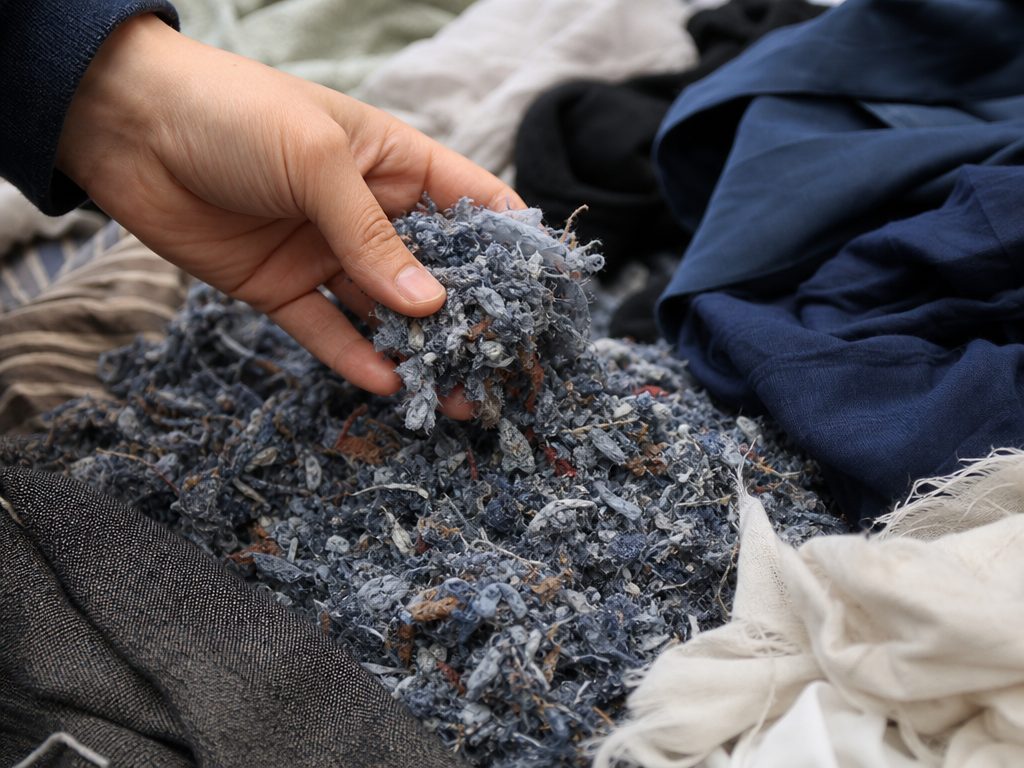
While traditional mechanical recycling shreds fabrics into shorter, weaker fibers—often requiring them to be downcycled into insulation or blended with virgin fibers—emerging chemical recycling technologies offer a promising alternative. Chemical recycling breaks down synthetic and natural fibers at the molecular level, purifying them of dyes, finishes, and contaminants. The resulting raw materials can be spun into new, high-quality yarns that match the performance of virgin materials.
Several innovative companies are leading this transition:
- **Circ**: Uses hydrothermal processing to separate poly-cotton blends into high-quality polyester and cellulose pulp.
- **Ambercycle**: Focuses on the molecular recycling of polyester, producing a premium regenerated material called cycora®.
- **Syntetica**: Specializes in nylon recycling, depolymerizing Nylon 6 and 6,6 to create new yarns.
- **BASF**: Developed loopamid®, an innovative process for circular textile-to-textile recycling of polyamide 6, starting its first commercial production facility in Shanghai in early 2025.
Despite these breakthroughs, chemical recycling has limitations. Building and operating these facilities requires significant capital investment, high energy consumption, and complex chemical management. Scaling these technologies to handle millions of tons of waste remains a major hurdle for the industry.
The Regulatory Catalyst: How California's SB 707 and EU Laws are Forcing Change
Voluntary corporate sustainability is rapidly transitioning to mandatory compliance, driven by landmark legislation on both sides of the Atlantic.
In the United States, California has led the way with Senate Bill 707 (the Responsible Textile Recovery Act of 2024). Signed into law by Governor Gavin Newsom, SB 707 is the first statewide Extended Producer Responsibility (EPR) program for textiles in the nation. It requires "producers" (manufacturers, brands, or importers with over $1 million in worldwide turnover) to join a Producer Responsibility Organization (PRO) to fund and manage the collection, repair, and recycling of used textiles.
On February 27, 2026, the California Department of Resources Recycling and Recovery (CalRecycle) approved Landbell USA as the state's official PRO. All covered producers were required to join Landbell USA by July 1, 2026. CalRecycle will adopt regulations by July 1, 2028, with full implementation and civil penalties for non-compliance taking effect by July 1, 2030.
Meanwhile, the European Union is enforcing the Ecodesign for Sustainable Products Regulation (ESPR) (Regulation (EU) 2024/1781). As of July 19, 2026, large companies operating in the EU are strictly banned from destroying unsold apparel and footwear, forcing brands to find alternative pathways like resale, donation, or recycling.
Sources: legiscan.com, www.calrecycle.ca.gov, eur-lex.europa.eu
Demystifying the Digital Product Passport (DPP) for Textiles
To enable true circularity, the European Union is introducing the Digital Product Passport (DPP) under the ESPR framework. A DPP is a digital "identity card" linked to a physical product via a data carrier, such as a QR code or RFID tag.
The DPP will store comprehensive information about a product's lifecycle, including:
- Material composition and chemical safety.
- Raw material origin and supply chain traceability.
- Carbon and environmental footprints.
- Repairability, disassembly, and recycling instructions.
The timeline for implementation is structured but aggressive. While the ESPR framework became fully applicable in July 2026, the textile-specific delegated act is expected around late 2027. This means the textile DPP will likely become mandatory for brands selling in the EU between late 2028 and mid-2029. Brands must prepare now by creating structured, canonical product records and ensuring their supply chain data is fully digitized.
Sources: eur-lex.europa.eu
Brand-Led Take-Back Programs: A Consumer's Guide to Incentives and Trade-offs
To keep garments in use longer, many eco-fashion brands are taking responsibility for their products' post-consumer phase. Through voluntary take-back programs, customers can return worn garments directly to the retailer in exchange for store credit or discounts.
While these programs (such as Patagonia's Worn Wear, Eileen Fisher's Renew, or Lululemon's Like New) are excellent for keeping clothes out of landfills, they present a notable trade-off known as the "rebound effect." By offering discounts on new purchases in exchange for old clothes, brands may inadvertently encourage more consumption, undermining the core goal of reducing overall production.
When participating in these programs, consumers should evaluate the brand's transparency. Does the brand actually recycle the returned garments textile-to-textile, or are they downcycled into lower-value materials? Prioritize brands that offer repair services or direct resale over those that simply use take-back programs as a marketing funnel to sell more new products.
The Mechanics and Rise of Brand-Owned Resale (Recommerce)
The rise of brand-owned resale platforms has transformed the secondhand market. Rather than relying solely on third-party peer-to-peer marketplaces like eBay or Poshmark, companies are launching their own curated resale channels.
To manage this complex logistical challenge, brands partner with specialized white-label recommerce platforms like Trove or Archive. These platforms handle the backend logistics, including:
- Receiving and sorting returned garments.
- Standardized cleaning and quality checks.
- Professional photography and listing creation.
For buyers, brand-owned resale offers verified authenticity, reliable sizing, and a curated shopping experience. For sellers, the process is incredibly convenient compared to managing individual listings on peer-to-peer apps, though the payout (often in store credit) is typically lower than what they might earn by selling the items themselves.
Upstream Innovation: Regenerative Agriculture and Bio-Based Materials
Circular fashion also looks upstream to how raw materials are sourced. Brands are increasingly turning to regenerative agriculture, which seeks to restore soil health, increase biodiversity, and capture carbon during the farming of natural fibers like cotton, flax, and hemp.
Furthermore, biotechnology is introducing innovative alternatives to petroleum-based synthetics. Materials made from mycelium (mushroom roots), algae, and agricultural byproducts are entering the market. These bio-based materials are designed to safely biodegrade at the end of their useful life, returning valuable nutrients back to the earth.
However, these innovations face significant limitations. Bio-based materials are currently expensive to produce and difficult to scale to meet global demand. Additionally, many "biodegradable" claims are qualified; these materials often require specific industrial composting facilities to decompose safely, facilities that are not yet widely available to the general public.
The True Cost of Circular Fashion: Premium Pricing vs. Cost-Per-Wear
For consumers, transitioning to a circular wardrobe often requires a shift in financial perspective. Circular garments, constructed from high-quality monomaterials and designed for durability, often carry a premium price tag. However, evaluating these purchases through the lens of "Cost-Per-Wear" (CPW) reveals their true value.
The CPW formula is simple:
Cost-Per-Wear = (Purchase Price + Maintenance Costs) / Number of Wears
Consider the following comparison:
- **Garment A (Fast Fashion)**: A $30 polyester shirt. It is worn 5 times before stretching, tearing, or losing its appeal. CPW = $6.00.
- **Garment B (Circular/Durable)**: A $200 organic cotton shirt from a circular brand. It is worn 100 times over several years, with minor repairs costing $10. CPW = $2.10.
By investing in high-quality, repairable garments, consumers not only support the circular economy but also optimize their personal clothing budgets over time.
A Checklist for Auditing Your Closet for Circularity
Transitioning your wardrobe to a circular model doesn't require buying an entirely new set of clothes. Instead, start by auditing what you already own. Use this checklist to evaluate the circular potential of your closet:
1. **Fiber Content Check**: Look at the care labels. Identify garments made from 100% monomaterials (e.g., 100% cotton, 100% wool, 100% silk) which are prime candidates for future recycling.
2. **Hardware & Trim Assessment**: Check the construction of your garments. Are buttons, zippers, and snaps easily removable, or are they permanently fused to the fabric?
3. **Brand Take-Back Verification**: Research the brands in your closet. Do they have active take-back, repair, or resale programs? Keep a list of where you can return specific items when they reach the end of their life.
4. **Care & Repair Readiness**: Assess your ability to maintain your clothes. Do you have a basic sewing kit for minor repairs? Does the brand offer a lifetime repair warranty?
5. **End-of-Life Pathway**: Identify local textile recycling options or brand take-back bins in your area, keeping in mind that local municipal recycling capabilities vary widely.
The Limitations and Greenwashing Pitfalls of Circularity
As the circular economy gains traction, consumers must remain vigilant against greenwashing. Many brands use "circular" buzzwords without implementing true closed-loop systems.
A common pitfall is the confusion between "downcycling" and true "closed-loop" recycling. For example, turning recycled plastic bottles (PET) into polyester clothing is often marketed as circular. However, once those plastic bottles are spun into textiles, they can rarely be recycled again, effectively ending their lifecycle. True circularity requires textile-to-textile recycling, where old garments are turned back into new garments.
To protect themselves, consumers should look for reputable third-party certifications, such as:
- **Global Recycled Standard (GRS)**: Verifies recycled content and tracks it from source to final product.
- **Cradle to Cradle (C2C)**: Assesses a product's safety, circularity, and environmental performance across its entire lifecycle.
- **OEKO-TEX Standard 100**: Ensures textiles are free from harmful levels of toxic substances.
Because sustainability standards, local recycling capabilities, and corporate policies are constantly shifting, it is important to verify current guidelines. Always check a brand's specific recycling partner or local municipal guidelines to confirm if and how certain textiles can actually be recycled in your area.