Strategic Meal Planning: Aligning Your Menu with Seasonal Produce and Weekly Sales
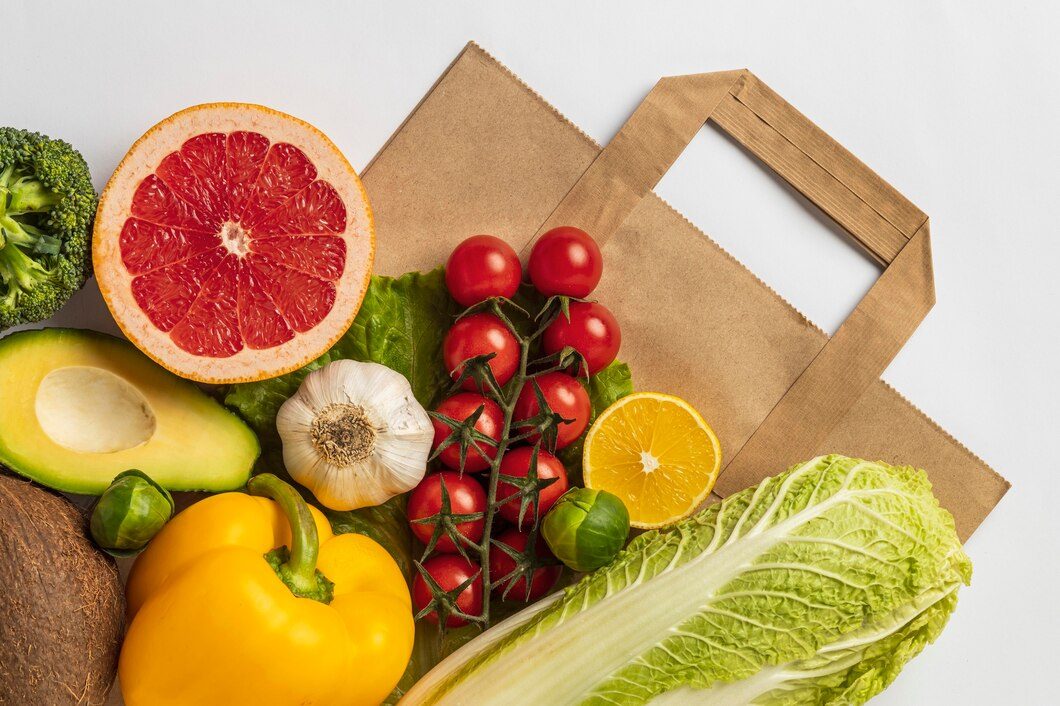
Eating fresh does not have to drain your wallet if you align your meals with nature's calendar. Seasonal fruits and vegetables are typically more abundant, taste better, and carry a lower price tag than out-of-season items that must be shipped from afar. For instance, buying berries in the summer or root vegetables in the fall can yield significant savings compared to purchasing them out of season. Before you head to the store, review the weekly local grocery circulars to see what is on sale, and design your menu around those discounted fresh items. Keeping your meal plan flexible allows you to swap ingredients on the fly if you spot a better deal in the produce aisle.
To keep your grocery budget aligned with your broader financial objectives, it is helpful to use structured budgeting resources. Planning out your household expenses is a critical component of overall financial health. For those looking to establish a robust household budget or navigate changing financial circumstances, online tools can help you plan for day-to-day money decisions and long-term financial goals. The Consumer Financial Protection Bureau (CFPB) offers a suite of interactive tools designed to help consumers manage their cash flow, track spending, and build emergency savings. By integrating these tools into your weekly routine, you can ensure that your food expenditures remain in harmony with your long-term financial aspirations. Please note that this article provides general educational information only; it is not individualized financial, tax, lending, or investment advice. Verify current terms with an appropriate professional or official agency.
Sources: www.consumerfinance.gov
The Economics of Store Brands vs. Name Brands: Maximizing Value Without Sacrificing Quality
Another highly effective way to keep your grocery bills manageable is to embrace store-brand products. Many generic or private-label goods are manufactured by the exact same companies that produce name brands, meaning you get the same quality for a fraction of the cost. Supermarkets contract with major food manufacturers to package identical or nearly identical formulations under the store's proprietary label. This allows retailers to bypass the massive marketing and advertising budgets associated with national brands, passing those savings directly to the consumer.
When shopping, pay close attention to shelf placement. Retailers typically place high-margin, heavily advertised national brands at eye level, while placing more affordable store brands on the bottom or top shelves. By consciously looking up and down, you can easily locate these budget-friendly alternatives. The Federal Trade Commission (FTC) provides extensive guidance on consumer rights and retail pricing strategies, helping shoppers understand how marketing tactics influence purchasing decisions. Being an informed shopper helps protect your wallet from deceptive marketing and ensures you get the best value for your hard-earned money.
Sources: www.ftc.gov
Smart Bulk Buying: Navigating Unit Costs, Storage Limits, and Waste Mitigation
While bulk buying can yield substantial savings, it requires a strategic approach to avoid costly pitfalls. Focus on buying pantry staples—such as brown rice, dry beans, oats, and canned tomatoes—in larger quantities. These items have a long shelf life and form the nutritious base of many affordable meals. However, bulk buying perishable items like fresh produce, dairy, or large cuts of meat can backfire if they spoil before you can consume them.
To ensure you are truly getting a discount, always compare the unit price (such as the price per ounce, gram, or sheet) rather than the overall package price. Most retailers print the unit price in small text on the shelf tag, making it easy to compare different package sizes. If the unit price of a larger package is not lower than that of a smaller package, there is no financial incentive to purchase the bulk option. Additionally, consider your household's storage capacity and consumption habits. Buying a three-gallon tub of olive oil is only a deal if you have the pantry space to store it and can use it before it goes rancid. Because retail pricing strategies and packaging standards can change without notice, always verify active store promotions at the customer service desk.
Sources: www.ftc.gov
Navigating Digital Loyalty Programs, Grocery Apps, and Data Privacy
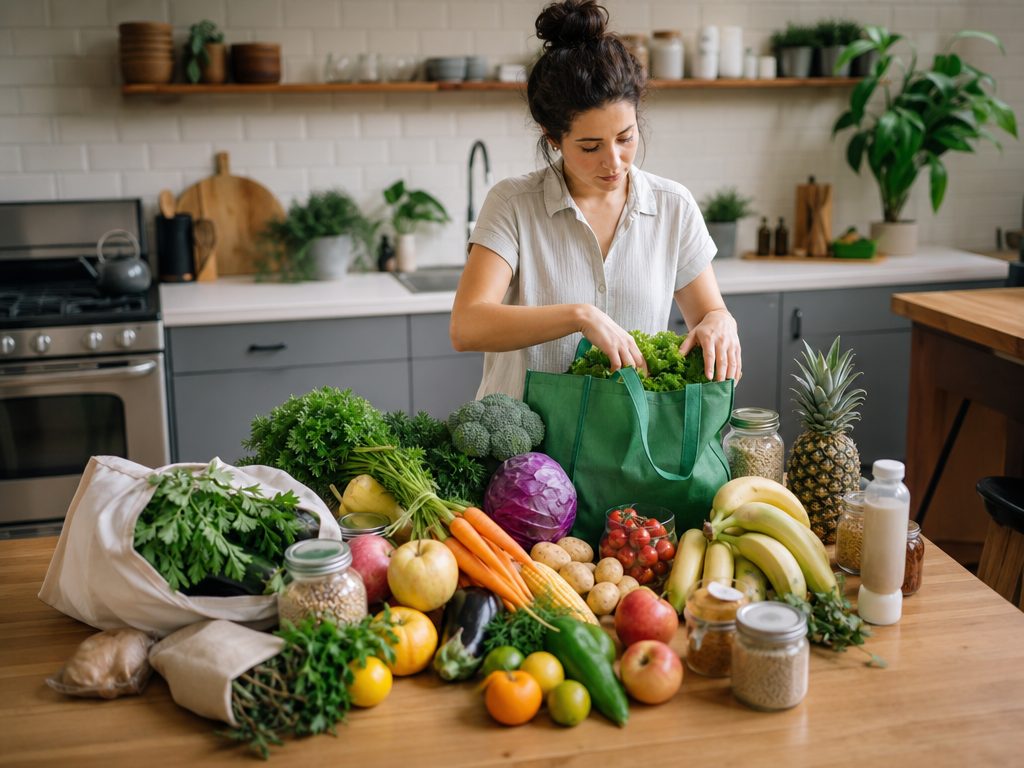
Most major supermarket chains now offer digital loyalty programs and smartphone apps that provide exclusive coupons, personalized discounts, and cashback rewards. To maximize these savings, download your preferred grocer's app and clip digital coupons before checking out. Many of these apps also offer personalized deals based on your past purchasing history, allowing you to save on items you buy regularly.
However, because these apps often track your purchasing habits, search history, and location data, it is wise to manage your privacy settings carefully. Retailers use this data to build detailed consumer profiles and target you with highly specific advertisements. Fortunately, you can easily customize or reverse these digital permissions. Go to your smartphone's settings menu, select the grocery app, and toggle off "Location Services" and "Background App Refresh" to protect your privacy. If you decide a loyalty program is no longer beneficial, you can delete your account entirely through the app's profile settings. Keep in mind that loyalty program terms, data sharing policies, and discount structures can change frequently, so review the user agreements periodically to make sure you remain comfortable with the terms. The FTC offers resources on digital privacy and data security, helping consumers navigate the complex landscape of retail data collection.
Sources: www.ftc.gov
Tracking Grocery Spend: How to Build a Dedicated Food Budget and Analyze Cash Flow
To truly master your grocery budget, you must track your spending over time. It is easy to underestimate how much minor, frequent trips to the supermarket add up. Try keeping a dedicated grocery log for thirty days, noting every purchase from your main weekly shopping trip to mid-week convenience runs. This exercise will highlight exactly where your money is going and where you might be overspending on impulse buys, specialty ingredients, or pre-packaged convenience foods.
Once you have collected this data, you can analyze your cash flow and establish a realistic monthly food budget. Many financial experts recommend using budgeting frameworks like the 50/30/20 rule (where 50% of income goes to needs, 30% to wants, and 20% to savings) or the envelope system, where you allocate a specific cash amount for groceries each month. If you want to understand how your grocery habits fit into your overall financial picture, you can utilize free online self-assessment tools. For instance, the CFPB's Financial Well-Being Scale allows you to answer a series of basic questions about your financial habits to measure your overall financial well-being. These resources can give you a clearer understanding of your day-to-day money management and assist you in setting realistic savings milestones. Please note that this article provides general educational information only; it is not individualized financial, tax, lending, or investment advice. Verify current terms with an appropriate professional or official agency.
Sources: www.consumerfinance.gov
Vigilance at the Register: Preventing Scanner Errors, Deceptive Pricing, and Retail Scams
Always pay close attention when your items are being scanned at the register. Discrepancies between the advertised shelf price and the price charged at checkout are surprisingly common. These errors can occur due to outdated shelf tags, system glitches, or delayed promotional updates in the store's point-of-sale system. If you notice a pricing error, politely ask the cashier to verify the shelf tag. Most stores will quickly reverse the overcharge or match the lower advertised price.
In addition to simple checkout mistakes, consumers should remain vigilant against retail scams, deceptive advertising, and unfair business practices. For example, some retailers may advertise a "buy one, get one free" promotion but fail to apply the discount at checkout, or display misleading signs that suggest an item is on sale when it is actually priced at its standard retail rate. If you believe a grocery delivery service or retail chain is engaging in deceptive marketing or failing to honor advertised discounts, you can report these issues to consumer protection agencies. Filing a report at the FTC's dedicated portal, ReportFraud.ftc.gov, helps regulatory bodies monitor unfair practices and protects other shoppers in your community.
Sources: reportfraud.ftc.gov
Leveraging Government Assistance and Tax Credits to Support Your Household Budget
Maintaining a healthy household budget is much easier when you leverage all available financial resources, including federal tax benefits and food assistance programs. For families with children, tax credits can significantly offset the cost of daily necessities like fresh food. Ensuring you claim all eligible tax breaks can put substantial cash back into your pocket during tax season. For example, eligible taxpayers can access and manage important tax information, monitor refunds, and check eligibility for various credits by setting up a secure online tax account through the Internal Revenue Service (IRS). Taking advantage of options like free tax filing tools can also reduce the administrative costs of filing your return. Be sure to consult with a qualified tax professional or check official government guidelines to confirm the latest rules and eligibility criteria for family tax benefits, as tax laws are subject to annual adjustments.
In addition to tax credits, many households qualify for federal food assistance programs such as the Supplemental Nutrition Assistance Program (SNAP) and the Special Supplemental Nutrition Program for Women, Infants, and Children (WIC). It is important to note that as of June 1, 2026, the USDA's Food and Nutrition Service (FNS) has transitioned to the Food and Nutrition Administration (FNA). This administrative shift aims to streamline program delivery and improve access to nutritional resources. Eligible individuals can find local program contacts and application guidelines through the official SNAP State Directory of Resources maintained by the FNA.
Sources: www.irs.gov, www.fns.usda.gov
Optimizing Credit Card Rewards and Points for Grocery Purchases
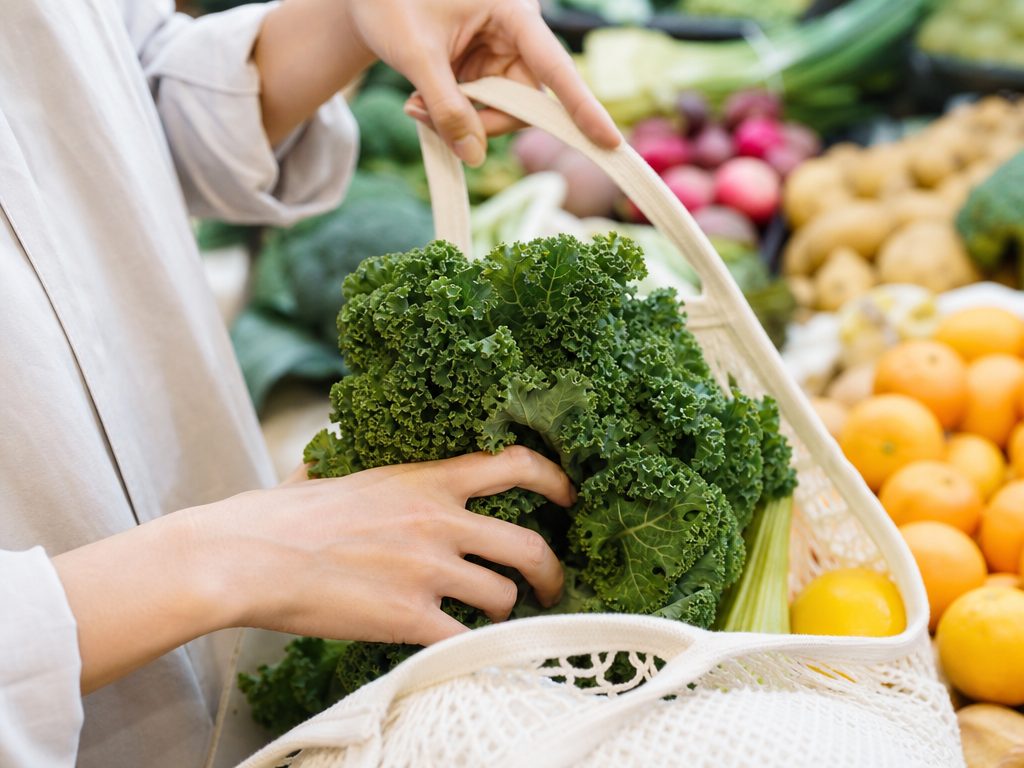
For points enthusiasts and savvy consumers alike, grocery shopping represents one of the most consistent opportunities to accumulate valuable credit card rewards. Many premium and no-fee credit cards offer elevated cash back or points multipliers specifically for grocery store purchases, sometimes ranging from 3% to as high as 6% back. To maximize this strategy, it is critical to understand Merchant Category Codes (MCCs). Credit card issuers rely on these four-digit codes, assigned by payment networks like Visa or Mastercard, to determine whether a transaction qualifies for a specific category bonus.
Importantly, superstores (such as Walmart and Target) and wholesale clubs (such as Costco and Sam's Club) are typically not classified under the "grocery store" or "supermarket" MCC. If you purchase your groceries at these retailers, you may only earn the standard 1% base rate unless you use a card specifically co-branded with that retailer or one that rewards "wholesale clubs" as a distinct category. Additionally, be mindful of the trade-offs associated with annual fee cards. A card with a $95 annual fee that offers 6% cash back on groceries may be highly lucrative for a large family with a substantial food budget, but a no-fee card offering 3% back might make more financial sense for a single individual with lower monthly expenditures. Most importantly, always pay off your credit card balances in full each month. Carrying a balance incurs high-interest charges that will quickly wipe out any points or cash back you accumulate.
Sources: www.consumerfinance.gov
Reducing Food Waste: Storage Science and Creative Leftover Strategies
According to the United States Department of Agriculture (USDA), between 30% and 40% of the food supply in the United States is wasted. A significant portion of this waste occurs at the household level, often driven by consumer confusion over food product dating. Many shoppers mistakenly believe that "Best if Used By," "Sell-By," and "Use-By" dates are strict safety cutoffs, leading them to discard perfectly safe and nutritious food.
To minimize waste and protect your budget, it is essential to understand what these dates actually mean. According to the USDA's Food Safety and Inspection Service (FSIS), except for infant formula, product dating is voluntary and refers to food quality rather than safety. A "Best if Used By" date indicates when a product will be at its peak flavor or quality, while a "Sell-By" date tells the store how long to display the product for sale. Properly stored foods remain safe to consume past these dates, provided there are no signs of spoilage such as mold, off-odors, or changes in texture.
Implementing the "First In, First Out" (FIFO) inventory method in your pantry and refrigerator can also drastically reduce waste. Place newly purchased items behind older ones to ensure you consume the older items first. Additionally, utilize your freezer to extend the shelf life of meats, bread, and even fresh produce that you cannot use immediately. Freezing essentially pauses the clock on food spoilage, preserving both the quality of your food and the value of your grocery budget.
Sources: www.fsis.usda.gov
Alternative Sourcing: CSAs, Farmers Markets, and Salvage Grocery Stores
While traditional supermarkets are convenient, exploring alternative food sourcing channels can yield fresher ingredients and significant cost savings. Community Supported Agriculture (CSA) programs allow consumers to purchase a "share" of a local farm's harvest, receiving regular deliveries of fresh, seasonal produce throughout the growing season. Because CSAs eliminate the middleman, they often provide high-quality, organic produce at a lower cost than specialty grocery stores, while directly supporting local agriculture.
Farmers markets are another excellent resource for fresh, locally grown food. To get the best deals, consider shopping during the last hour of the market, when vendors are often willing to discount their remaining inventory to avoid packing it up. To locate CSAs, farmers markets, food hubs, and on-farm markets in your area, you can utilize the USDA's Local Food Directories. This free, searchable database allows you to filter local food businesses by zip code, product availability, and accepted payment methods, including SNAP benefits.
For shelf-stable goods and household staples, salvage grocery stores—also known as outlet or closeout grocery stores—offer deeply discounted items. These stores specialize in selling overstock products, items near their "best by" dates, or goods with slightly damaged packaging. While shopping at salvage stores can slash your grocery bill, safety must remain a priority. Avoid purchasing cans that are bulging, deeply dented along the seams, or rusted, as these are signs of potential bacterial contamination. Always inspect seals on jars and boxes to ensure they have not been compromised.
Sources: www.ams.usda.gov
- https://www.consumerfinance.gov/consumer-tools/
- https://www.ftc.gov/advice-guidance/consumers
- https://www.irs.gov/
- https://reportfraud.ftc.gov/
- https://www.fns.usda.gov/
- https://www.fsis.usda.gov/food-safety/safe-food-handling-and-preparation/food-safety-basics/food-product-dating
- https://www.ams.usda.gov/local-food-directories/