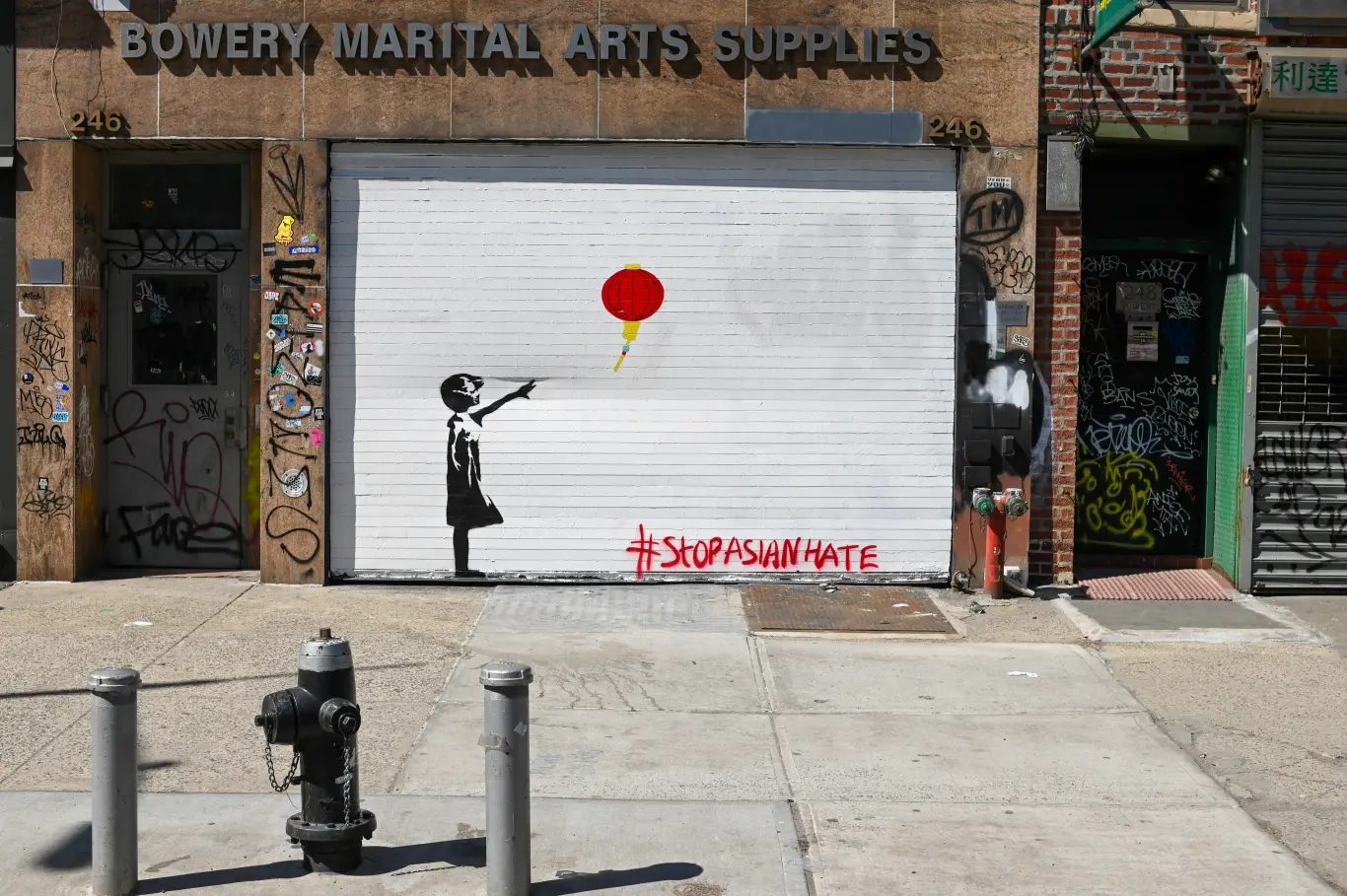
The Paradox of the "Unauthorized" Banksy Exhibition
Banksy is arguably the most famous street artist in the world, yet his identity remains a closely guarded secret. His art is inherently anti-establishment, anti-capitalist, and designed to be viewed for free on the streets. This creates a fascinating paradox when you see advertisements for massive, ticketed Banksy exhibitions coming to major cities. These touring retrospectives charge hefty admission fees—often ranging from $30 to over $50 per ticket—to display works that the artist himself did not curate, authorize, or endorse.
For unsuspecting fans, these exhibitions can be highly misleading. Promoters frequently use Banksy’s name, iconic imagery, and even his famous quotes to create the illusion of an official partnership. In reality, these shows are commercial enterprises organized by independent curators, art brokers, and private collectors who own authenticated pieces of Banksy’s work. Because Banksy’s public street art cannot be easily moved without destroying it (or sparking intense legal battles over property rights), these indoor exhibitions rely on prints, sculptures, and canvas pieces that were originally sold through the artist's official handling service to private buyers. Over the years, these collectors have pooled their acquisitions to create touring galleries. While this allows the public to view rare pieces in person, it operates entirely outside of the artist's control or endorsement.
The Official Stance: Pest Control Office and the "Product Recall"
To understand how the art world navigates the elusive artist's catalog, one must look to the Pest Control Office. Established in 2008, Pest Control is the sole official handling agency and authentication body run by Banksy himself. It is the only entity authorized to issue a Certificate of Authenticity (COA) for genuine Banksy artworks, which acts as a safeguard against the rampant proliferation of fakes and forgeries in the secondary market.
Pest Control’s official website, pestcontroloffice.com, maintains a highly critical stance toward unauthorized exhibitions. Under their frequently asked questions, they explicitly state: "Banksy is not involved or associated with any of them... They might be crap so please don't come to us for a refund." The agency has even gone so far as to publish a "Product Recall" list on Banksy's official website, calling out specific unauthorized shows around the world. For instance, in October 2025, Pest Control posted a direct warning regarding a prominent exhibition in London, stating: "The new Banksy show in London is not a show by Banksy. The artist wasn't asked about it, hasn't contributed to it and won't issue refunds if you didn't like it." Because these exhibitions are organized without the artist's consent, consumers must understand that any money spent on tickets, VIP upgrades, or merchandise goes directly to private promoters and collectors, rather than supporting the artist or his preferred charitable causes.
Sources: pestcontroloffice.com
The Two Tiers of Unsanctioned Shows: Authentic Art vs. High-End Reproductions
When evaluating an unauthorized Banksy exhibition, it is vital to recognize that not all "unofficial" shows are created equal. They generally fall into two distinct categories, and knowing which one you are booking can make the difference between a rewarding cultural experience and a disappointing waste of money.
The first tier consists of Authentic Studio Art Exhibitions. These shows feature genuine, physical, and authenticated artworks on loan from private collectors. These pieces—such as limited-edition screenprints, stencils on cardboard, and original sculptures—carry official Certificates of Authenticity from the Pest Control Office. An example of this is "The Art of Banksy," which was originally curated by Steve Lazarides, Banksy’s former agent and photographer who parted ways with the artist in 2008. Because Lazarides and other high-profile collectors have direct access to authentic pieces, these exhibitions offer a rare opportunity to see genuine works up close, even if the presentation is commercialized.
The second tier consists of Replica and Digital Projection Shows. These exhibitions—often marketed under titles like "The Mystery of Banksy – A Genius Mind" or "The Art of Banksy: Without Limits"—contain very few, if any, original or authenticated artworks. Instead, they rely heavily on high-resolution digital prints, stenciled recreations painted by hired local artists, and immersive video projections. While these shows can be highly educational and visually engaging for casual fans, they are essentially high-end tribute acts. Promoters often charge the same premium ticket prices for these reproductions as they would for authentic art, leading to widespread consumer confusion and complaints from attendees who feel misled.
Sources: pestcontroloffice.com, www.myartbroker.com
How to Audit an Exhibition Before You Buy
Because promoters of unauthorized exhibitions use sophisticated marketing tactics to blur the lines between authentic art and reproductions, consumers must perform their own due diligence before purchasing tickets. To audit an upcoming exhibition, follow these practical steps:
First, carefully read the fine print on the exhibition's official landing page. Legitimate shows that feature reproductions are legally required to disclose this, though they often hide the disclosure deep within their FAQs or terms of service. Look for phrases such as "reproduced specifically for this exhibition," "tribute show," "digital experience," or "immersive projection." If the website promises "museum-quality replicas" rather than "authenticated original works," you are paying to see copies.
Second, identify the organizing production company behind the tour. Well-known promoters in this space include Starvox Entertainment, Exhibition Hub, and Fever. Research their track record by searching for reviews of their past exhibitions in other cities on independent platforms like Reddit, TripAdvisor, or local news outlets. Pay close attention to reviews that mention whether physical, authenticated artworks were on display or if the gallery consisted mostly of printed photos and video screens.
Third, evaluate the exhibition venue. Authentic art exhibitions require high-security, climate-controlled environments to protect valuable private collections, meaning they are more likely to be hosted in established galleries, museums, or historic event spaces. Conversely, replica and digital projection shows are highly mobile and are frequently set up in temporary pop-up spaces, such as vacant retail stores or warehouses.
Sources: pestcontroloffice.com
The Economics of the Pop-Up Art Market
The business model behind unauthorized Banksy exhibitions is incredibly lucrative, leveraging the artist's global fame to generate millions of dollars in ticket sales and ancillary revenue. Promoters typically charge between $25 and $40 for standard timed-entry tickets, with prices peaking on weekends and holidays. To maximize profit margins, they also offer "VIP Experience" upgrades, which can cost upwards of $80 and often include perks like fast-track entry, a souvenir poster, and access to a themed lounge.
One of the most controversial aspects of these exhibitions is the gift shop. Promoters routinely sell a wide array of unauthorized merchandise, including t-shirts, mugs, postcards, and tote bags emblazoned with Banksy's most famous images. This commercial exploitation directly contradicts Banksy's anti-capitalist philosophy. In fact, the artist's legal team has previously engaged in trademark disputes to stop unauthorized merchandising. To defend his trademarks under European law, Banksy even opened his own temporary homeware store, "Gross Domestic Product," in South London in 2019, demonstrating that he was actively using his designs for commercial purposes. When you purchase merchandise at an unauthorized exhibition, none of the proceeds go to the artist; instead, they enrich the very corporate promoters and private collectors that Banksy's art frequently lampoons.
Sources: pestcontroloffice.com
Ticketing Pitfalls and Consumer Protection Strategies
Securing tickets to a high-profile art exhibition requires a cautious approach to avoid inflated prices, counterfeit tickets, and non-refundable fees. Because these pop-up events operate in a highly commercialized gray area, ticketing issues are common.
First, always purchase tickets directly from the exhibition's official website or their designated primary ticketing partner (such as Fever or Ticketmaster). Avoid clicking on search engine ads that lead to secondary ticket brokers or resale platforms like Viagogo or StubHub, which often mark up ticket prices significantly and add exorbitant service fees.
Second, be aware of the strict refund and cancellation policies associated with these events. Most unauthorized exhibitions operate under a strict "no refunds, no exchanges" policy. If the exhibition is abruptly postponed, rescheduled, or if the venue changes—which is common for temporary pop-up shows—you may find it incredibly difficult to secure a refund from the organizers.
To protect yourself, always complete your purchase using a credit card that offers robust buyer protection and chargeback rights (such as Chase, American Express, or Capital One), rather than a debit card, bank transfer, or peer-to-peer payment app. Under federal consumer protection laws (such as the Fair Credit Billing Act in the United States), you have the right to dispute a charge if the merchant fails to deliver the promised service, if the event is canceled, or if the exhibition's marketing materials were demonstrably misleading regarding the authenticity of the artwork on display.
Sources: pestcontroloffice.com
What to Expect Inside: A Walkthrough of the Experience
If you decide to attend an unauthorized Banksy exhibition, managing your expectations is key to enjoying the experience. Unlike a traditional museum retrospective curated in collaboration with the artist, these shows are commercial enterprises designed for maximum visual impact and social media shareability.
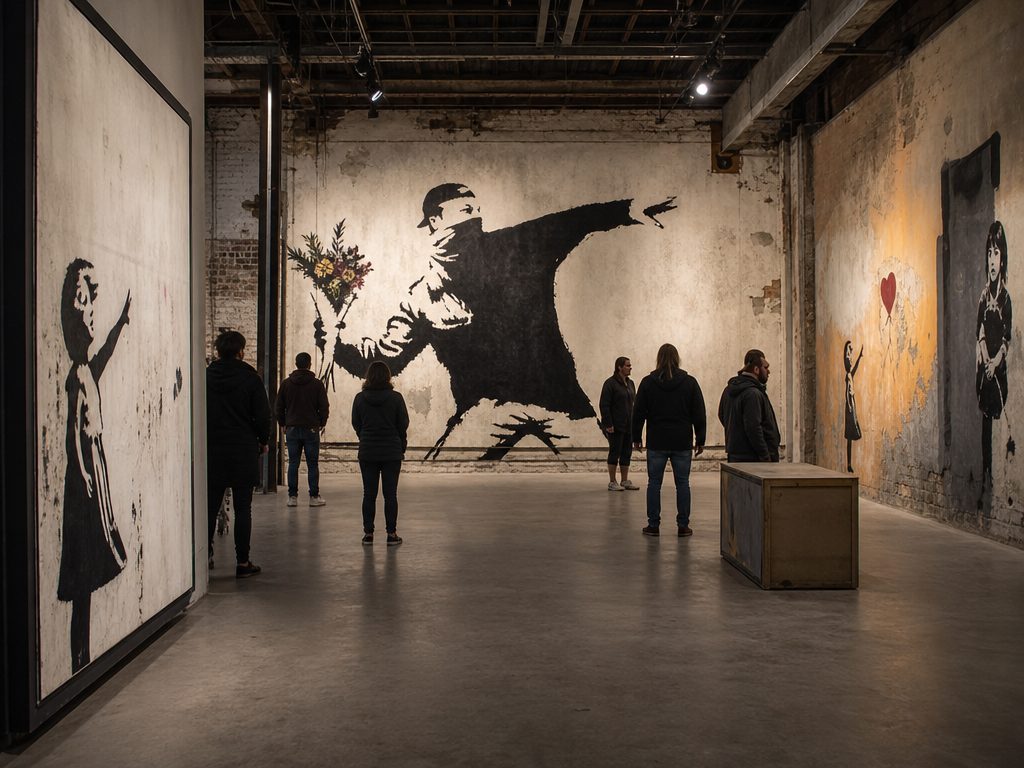
Upon entering, you will typically find yourself in a dimly lit, atmospheric environment designed to evoke the mystery of street art. The walls are often painted in stark black or deep gray, adorned with oversized Banksy quotes and detailed timelines tracing his career milestones. This includes his early days with the Bristol DryBreadZ crew, his famous museum pranks where he secretly hung his own modified canvases in institutions like the Tate Britain and the Metropolitan Museum of Art, and his massive 2015 "Dismaland" project.
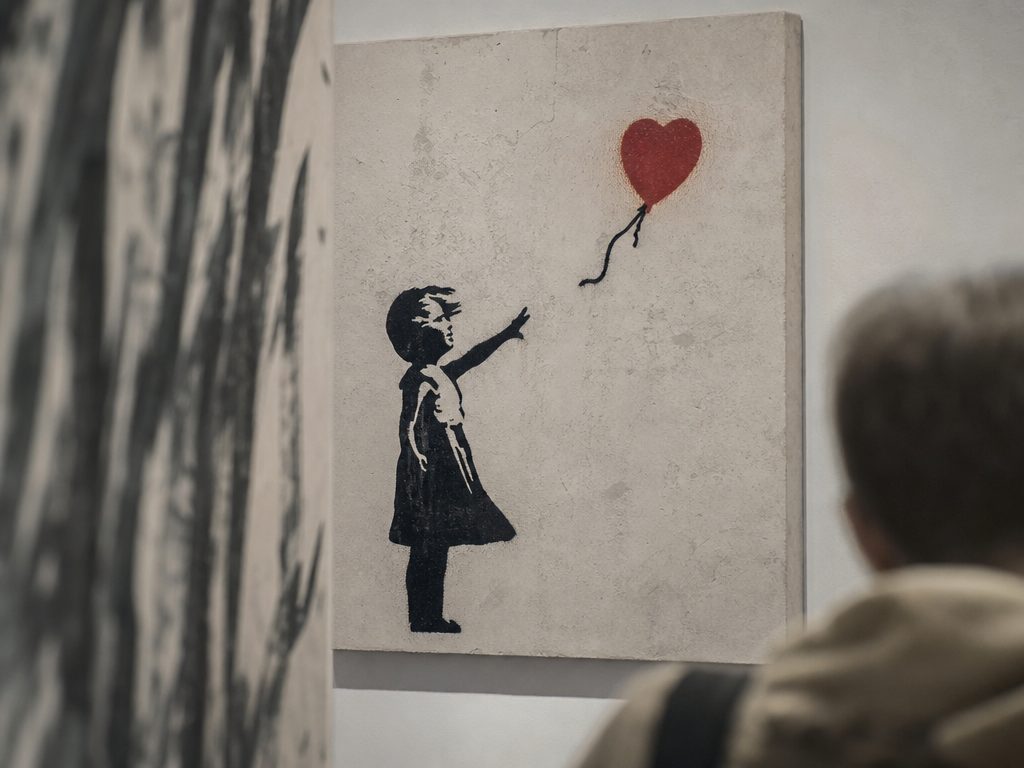
In a Tier 1 exhibition featuring authentic works, you can expect to see a curated selection of limited-edition screenprints, stencils on cardboard, and sculptural elements. Iconic pieces like "Girl with Balloon," "Flower Thrower," "Rude Copper," and "Pulp Fiction" are usually the centerpieces of the show. Many exhibitions also incorporate extensive multimedia elements, such as documentary footage, interviews with former collaborators (like Ben Eine), and elaborate physical recreations of the environments where Banksy's street art originally appeared. While art purists argue that displaying street art indoors in a corporate setting dilutes its raw political energy, these elements provide valuable context for casual fans who may only be familiar with the artist's most famous images.
Sources: pestcontroloffice.com
The Ethical Dilemma: To Go or Not to Go?
For many art lovers, attending an unauthorized Banksy exhibition presents a complex ethical dilemma. On one hand, Banksy has made his feelings abundantly clear, frequently discouraging fans from paying high admission fees to see exhibitions organized without his consent. The artist's official website and his authentication body, Pest Control, have repeatedly warned consumers that these touring shows have no connection to the artist and are organized entirely for private profit. By purchasing a ticket, you are directly supporting the commercialization of an artist who has spent his entire career railing against the commodification of art.
On the other hand, supporters of these exhibitions argue that they are the only viable way for the general public to view physical Banksy pieces in person. Because Banksy's public street art is highly transient—often painted over by local councils, vandalized, or chiseled off walls by property owners to be sold at private auctions—very little of his outdoor work remains accessible. Furthermore, the vast majority of his commercial studio works reside in private, inaccessible collections. Unauthorized exhibitions bridge this gap, bringing these privately held pieces into the public eye, albeit for a price. Ultimately, understanding this dynamic allows you to make an informed decision that aligns with your personal values and aesthetic expectations.
Sources: pestcontroloffice.com
A Checklist for the Smart Art Consumer
Before you click "purchase" on tickets for an upcoming Banksy exhibition, use this practical checklist to ensure you know exactly what you are paying for and how to protect your purchase:
* **Verify Official Status**: Have you checked the Pest Control Office website (pestcontroloffice.com) to confirm if the artist has issued any specific warnings or "product recalls" regarding the exhibition in your city?
* **Confirm Art Authenticity**: Have you read the exhibition's fine print to determine if the show features "authenticated original works" on loan from private collectors (Tier 1) or if it consists entirely of "reproductions, replicas, and digital projections" (Tier 2)?
* **Research the Promoter**: Have you searched for independent reviews of the organizing production company's past tour stops to verify the quality of the gallery and customer satisfaction?
* **Review the Refund Policy**: Are you aware of the exhibition's cancellation and refund policies in the event of a postponement or venue change?
* **Buy Direct**: Are you purchasing tickets directly from the primary ticketing partner listed on the official exhibition website, rather than a secondary ticket broker?
* **Use Credit Card Protection**: Are you completing your transaction with a credit card that offers robust buyer protection and dispute resolution in case of billing discrepancies or event cancellation?
Sources: pestcontroloffice.com
Alternative Ways to Experience Authentic Banksy Art
If you choose to skip unauthorized touring exhibitions but still want to experience Banksy's art, there are several authentic alternatives available.
First, you can seek out official, authorized exhibitions organized directly by Team Banksy. While rare, these events are monumental cultural milestones. A prime example is the "Cut & Run: 25 Years Card Labour" retrospective, which took place at the Gallery of Modern Art (GoMA) in Glasgow during the summer of 2023. This was Banksy's first authorized solo show in over 14 years, featuring the actual stencils he used to create his iconic street art over a quarter-century. Official exhibitions like "Cut & Run" are announced directly on Banksy's official website and through Pest Control, ensuring that your attendance directly supports the artist's intended vision.
Second, you can visit established public museums and galleries that have legally acquired and permanently display authenticated Banksy pieces. For instance, the Bristol Museum & Art Gallery in Banksy's hometown houses several of his works and previously hosted the historic "Banksy vs Bristol Museum" exhibition in 2009.
Finally, you can explore remaining public street art installations in cities like London, Bristol, and New York. While many have been lost over time, several iconic stencils remain preserved behind protective plexiglass, allowing you to experience Banksy's art in its original, intended context—on the streets, free of charge, and completely unauthorized.
Sources: cutandrun.co.uk, shop.glasgowlife.org.uk