
The Truth About RV Valuation Guides (KBB vs. J.D. Power)
Many prospective buyers and sellers search for a "Kelley Blue Book RV guide" when trying to determine the market value of a motorhome, travel trailer, or fifth wheel. However, Kelley Blue Book (KBB) does not publish a dedicated valuation guide for recreational vehicles. Instead, the industry standard for RV pricing is managed by J.D. Power (formerly NADAguides). Understanding this distinction is crucial so you do not waste time searching for a non-existent database. This independently created resource is not official and is not affiliated with or endorsed by any exam provider, agency, brand, or publisher. The content provided here is for general educational information only; it is not individualized financial, tax, lending, or investment advice. Verify current terms with an appropriate professional or official agency.
To get an accurate estimate, you should consult alternative valuation platforms that specialize in powersports and recreational vehicles. J.D. Power Specialty Valuation Services collects transaction data from dealers and private sales to establish baseline values for thousands of models. By visiting the official J.D. Power platform, users can input specific details about their RV's make, model, year, and trim level to generate a reliable pricing range. Relying on the correct database is the first step toward making informed financial decisions in the RV market.
Sources: www.jdpower.com
How J.D. Power (NADA) RV Values are Calculated
To navigate the J.D. Power valuation tool effectively, you must understand how its data is compiled. J.D. Power Specialty Valuation Services aggregates wholesale and retail transaction data from across the United States, including dealer-only auctions, manufacturer reports, and retail sales records. The platform updates its database regularly to reflect shifting market conditions, ensuring that the values reflect real-world economic pressures.
When using the consumer-facing J.D. Power tool, you will typically see three primary values: Suggested List Price, Low Retail, and Average Retail. The Suggested List Price represents the manufacturer's suggested retail price (MSRP) when the vehicle was new. Low Retail indicates a unit with extensive wear and tear, high mileage, or deferred maintenance, but is still functional. Average Retail represents a clean, well-maintained RV with normal wear and tear. It is critical to note that these values do not account for localized market spikes or specific regional demands, which can vary significantly. Understanding these definitions helps buyers and sellers avoid misinterpreting the numbers during negotiations. For instance, a low retail price does not mean the RV is a "lemon," but rather that it may require cosmetic or minor mechanical work to reach average condition.
Sources: www.jdpower.com
Key Factors that Determine RV Market Value
Unlike standard passenger cars, RVs are essentially mobile homes, meaning their valuation depends on a complex mix of automotive and residential factors. For motorized RVs (Class A, Class B, and Class C), mechanical health, chassis condition, and odometer mileage play a massive role in depreciation. A diesel pusher (Class A diesel) typically holds its value better over time compared to a gas-powered counterpart, primarily because diesel engines are built for long-haul durability, though they carry higher maintenance costs.
For towables (travel trailers, fifth wheels, and toy haulers), structural integrity is the primary value driver. Water damage is the single greatest threat to an RV's value. Even minor roof leaks can lead to rot, mold, and delamination, which can instantly write off thousands of dollars in value. Other critical factors include slide-out functionality, tire age (RV tires often dry rot before the tread wears out, typically requiring replacement every 5 to 7 years), and the condition of the roof membrane. Buyers should always perform a rigorous inspection of these components before finalizing a purchase. Additionally, checking the condition of the onboard generator, propane system, and holding tanks is essential, as replacing these systems can cost thousands of dollars.
Sources: www.jdpower.com
The Impact of Upgrades and Customizations on Value
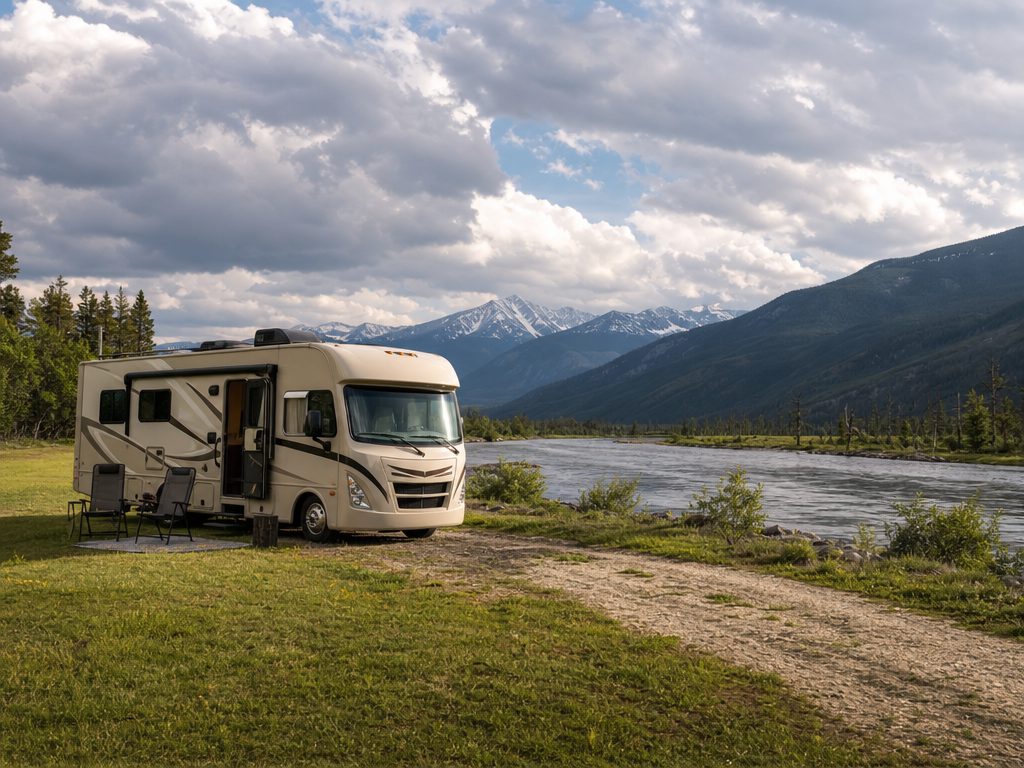
Upgrades can complicate the valuation process. While custom solar setups, lithium battery banks, and residential refrigerator conversions add immense practical value for off-grid campers, they do not always translate to a dollar-for-dollar increase in book value. In fact, over-customizing an RV can sometimes shrink your buyer pool, as some buyers prefer factory-original layouts and systems.
When using valuation tools like J.D. Power, you are prompted to check boxes for optional equipment. However, you must be careful not to double-count features that were included in the base model's standard trim. Adding standard features as "options" artificially inflates the book value, leading to unrealistic pricing expectations. For high-value upgrades like a professional solar installation, it is best to price the RV near its average book value and use the upgrades as a negotiating tool or a premium add-on in private listings. Keeping receipts and professional installation records is crucial to proving the value of these upgrades to prospective buyers.
Sources: www.jdpower.com
Regional and Seasonal Market Dynamics
The RV market is highly seasonal and geographically sensitive. An RV will naturally command a higher price in warm, outdoor-centric regions like Florida, Texas, or Arizona during the winter, or in the Pacific Northwest during the spring and summer. Conversely, trying to sell a travel trailer in the Midwest in November will likely yield lower offers.
According to J.D. Power's 2025 Year-End Market Insights report, standard hitch trailer values averaged 9.6% lower and fifth wheel units averaged 10.3% lower in the November-December period compared to the preceding September-October period. This seasonal drop is a consistent trend across almost all RV segments. For instance, the same 2025 report noted that Class A motorhomes averaged 6.3% lower and Class C motorhomes averaged 9.9% lower in the November-December period compared to September-October. Understanding these seasonal dips allows buyers to hunt for deals in the late autumn and helps sellers time their listings for the peak spring market to maximize returns. Additionally, regional economic factors, such as local fuel prices and interest rates, can heavily influence buyer demand and overall market values.
Sources: www.jdpower.com
Navigating Loans and Financing for Your RV
Purchasing a recreational vehicle is a significant financial commitment that often requires specialized financing. Because RVs are luxury items that can depreciate quickly, securing a loan requires careful planning and a clear understanding of your personal debt-to-income (DTI) ratio. RV loans are structured differently than standard auto loans; because of the high purchase price, terms can stretch from 10 to 20 years, which can result in paying substantial interest over time.
Lenders heavily rely on J.D. Power wholesale and retail values to determine their loan-to-value (LTV) limits. Typically, a lender will only finance up to 80% to 100% of the RV's J.D. Power wholesale or low retail value. If a seller is asking significantly more than the book value due to upgrades or market demand, the buyer must cover the difference in cash. To prepare yourself to make these major financial decisions, you can utilize educational tools provided by public consumer protection agencies. For instance, the Consumer Financial Protection Bureau (CFPB) offers comprehensive guides for financial decisions, helping consumers understand the mechanics of getting a loan and planning for long-term financial goals. It is highly recommended to get pre-approved for a loan before shopping to establish a clear budget and strengthen your negotiating position.
Sources: www.consumerfinance.gov
Tax Implications and Business Use of an RV
If you plan to use your RV for business purposes—such as traveling to remote job sites, conducting mobile consultations, or operating a nomadic business—you may be eligible for specific tax deductions. Under certain conditions, an RV can be classified as a primary or secondary home, allowing you to deduct interest on your loan, provided the RV has basic sleeping, cooking, and toilet facilities.
Alternatively, if used strictly for business, you may track your actual expenses (such as depreciation, insurance, and maintenance) or utilize standard mileage rates for motorized rigs. To ensure compliance with federal tax laws, it is vital to keep meticulous records and consult official resources. The Internal Revenue Service (IRS) provides updated tables for standard mileage rates and guidance on business deductions. You can access individual or business tax accounts online to manage your transcripts, track payments, and verify deductions to ensure you are meeting all regulatory requirements. Because tax laws are subject to change and individual situations vary, consulting a certified public accountant (CPA) is highly recommended to avoid audit risks.
Sources: www.irs.gov
Avoiding Scams and Deceptive RV Sales Practices
The market for used RVs is highly active, but it is also a prime target for fraudulent listings and deceptive sales tactics. Private party transactions on online marketplaces sometimes feature unrealistic prices designed to lure unsuspecting buyers into wire transfer scams or fake escrow services. A common red flag is a seller who claims they are currently deployed overseas or going through a sudden divorce and must sell the RV immediately through a third-party shipping agent.
Similarly, some unscrupulous dealerships may use misleading advertising regarding the condition or history of a certified pre-owned rig, or tack on thousands of dollars in hidden dealer fees (such as prep fees, documentation fees, and mandatory protection packages) at the closing table. Protecting yourself requires vigilance and an understanding of consumer rights. Federal agencies like the Federal Trade Commission (FTC) provide consumer advice on shopping safely, managing credit and loans, and spotting common scams. If you encounter deceptive marketing or fall victim to a fraudulent listing during your RV search, you can report these business practices to help authorities identify and stop bad actors. Always insist on seeing the RV in person and verifying the title before transferring any funds.
Sources: www.ftc.gov
How to Get an Accurate RV Appraisal
While online valuation tools provide a solid baseline, they cannot replace a physical inspection and professional appraisal. If you are dealing with a high-value motorhome, a vintage restoration (such as a classic Airstream), or need a certified valuation for legal, estate, or insurance purposes, hiring a professional appraiser is essential.
A certified RV appraisal is conducted by an independent, disinterested third party who physically inspects the vehicle, documents its condition with date-stamped photographs, and analyzes local market comparables. Organizations like the National RV Inspectors Association (NRVIA) train and certify inspectors who can perform comprehensive, multi-hour pre-purchase inspections. An NRVIA-certified inspection typically takes 6 to 8 hours and costs between $400 and $1,500 depending on the size and complexity of the rig. While this is an upfront cost, it can save you thousands of dollars by uncovering hidden water damage, electrical faults, or mechanical issues before you sign the contract. For official appraisals accepted by courts, lenders, and the IRS, you should seek an appraiser who complies with the Uniform Standards of Professional Appraisal Practice (USPAP). This ensures the valuation is legally defensible and meets the highest industry standards.
Sources: nrvia.org
Concrete Steps to Price and List Your RV
If you are ready to sell your RV, establishing a fair and realistic price is the key to attracting serious buyers without leaving money on the table. First, gather all documentation, including the title, maintenance history, and original purchase paperwork. Next, search online classifieds on platforms like RV Trader or Facebook Marketplace for active listings of the exact same make, model, and year to see what sellers in your region are asking.
Once you have a baseline price, adjust it downward if your RV requires immediate repairs (such as new tires or appliance fixes) or upward if you have high-value, transferable upgrades. It is highly recommended to set your initial listing price slightly higher than your bottom-dollar walkaway price to allow room for negotiation. Write a detailed, transparent description highlighting both the features and any known issues, and take high-quality, well-lit photos of the interior and exterior. If you change your mind during the process, you can easily adjust your online listings or pause the sale without any permanent financial penalty. Providing a clean, detailed rig and a transparent maintenance history will build trust with buyers and help you secure a fair price quickly.
Sources: www.jdpower.com