The Evolution of Canine Diets: The Rise of "Nutra-Style" Freeze-Dried Nutrition
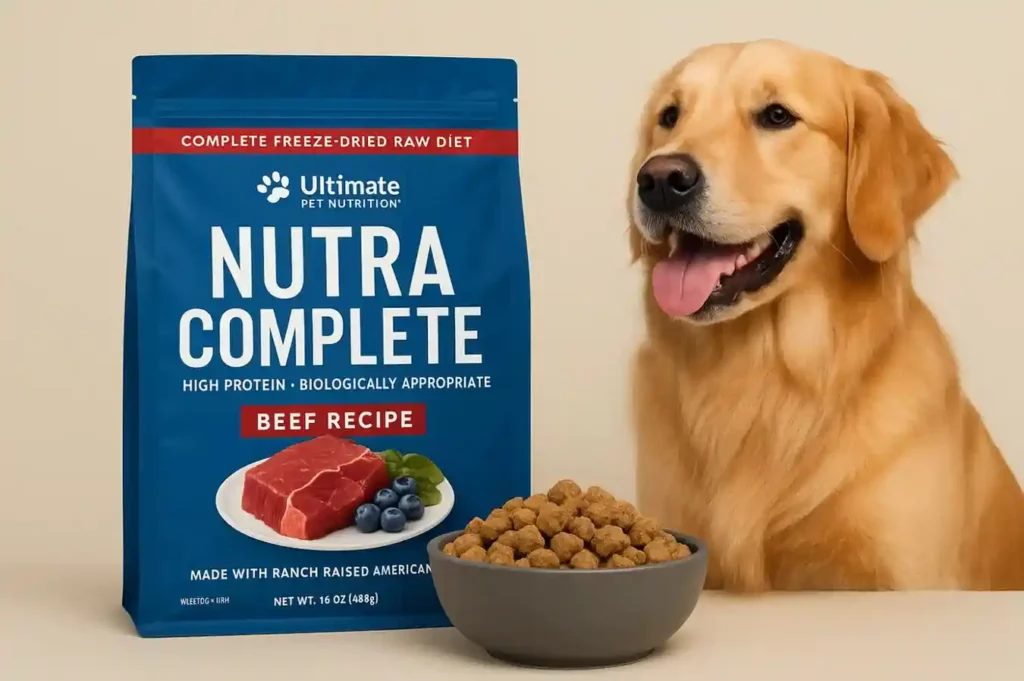
In recent years, the pet food industry has witnessed a monumental paradigm shift. Pet owners are increasingly moving away from highly processed, grain-heavy kibbles in favor of diets that align with a canine’s evolutionary biology. This movement has popularized "Nutra-style" freeze-dried raw nutrition—a category defined by minimally processed, nutrient-dense, and meat-first formulations. Brands like Ultimate Pet Nutrition, with their veterinarian-developed Nutra Complete line, have pioneered this space by offering the biological benefits of a raw diet with the shelf-stable convenience of traditional dry food.
The underlying philosophy of this dietary approach is simple: to mimic the ancestral diet of wild canines. In the wild, dogs and their ancestors consumed whole animals, which provided a rich spectrum of muscle meats, organ meats, bones, and partially digested plant matter. Traditional kibble, which undergoes high-heat extrusion, often strips away the natural enzymes, vitamins, and delicate amino acids present in these raw ingredients. Nutra-style formulas seek to preserve these vital components through low-temperature freeze-drying, offering a modern solution to ancestral feeding. However, transitioning to such a nutrient-dense diet requires a thorough understanding of canine physiology, ingredient quality, and safety protocols.
Sources: www.avma.org
The Science of Freeze-Drying: Sublimation vs. Thermal Extrusion
To appreciate the value of premium freeze-dried dog food, one must understand the underlying science of the preservation process. Traditional dry dog food is manufactured using thermal extrusion, a process where ingredients are mixed, subjected to extreme heat and pressure, and forced through a die to form kibble shapes. While extrusion is highly efficient and cost-effective, the intense heat can denature proteins, degrade essential fatty acids, and destroy heat-sensitive vitamins (such as Vitamin A, Vitamin E, and B-complex vitamins). To compensate, manufacturers must spray synthetic vitamin and mineral premixes back onto the cooled kibble.
In contrast, freeze-drying relies on a physical process called sublimation. The raw ingredients are first rapidly frozen to extremely low temperatures (often below -40°F). The food is then placed into a vacuum chamber, where gentle heat is applied. Under vacuum pressure, the frozen water within the food bypasses the liquid phase entirely and transitions directly from ice to vapor. This primary drying phase removes up to 95% of the moisture. A secondary drying phase then removes the remaining bound water molecules. Because the food is never exposed to high temperatures, the cellular structure of the ingredients remains intact. This preserves the natural enzymes, bioavailable vitamins, and complex protein structures in their native state, delivering a product that is highly digestible and nutritionally superior to heat-processed alternatives.
Sources: www.fda.gov
Deconstructing the Ingredient Deck: Real Proteins, Organ Meats, and Superfoods
When evaluating premium freeze-dried formulas like Nutra Complete, the ingredient list reveals the true nutritional value. High-quality formulas prioritize real animal proteins as the primary ingredients. For instance, in a premium beef recipe, you will find ranch-raised beef, beef liver, and beef kidney at the very top of the deck. Organ meats are often referred to as "nature's multivitamins" because they are exceptionally dense in essential nutrients. Beef liver is an unparalleled source of Vitamin A, iron, copper, and B vitamins, while kidneys provide selenium and essential fatty acids.
Beyond animal proteins, "Nutra-style" diets incorporate functional superfoods to provide antioxidants, prebiotics, and essential minerals. Ingredients like flaxseed and pumpkin seeds offer a rich source of dietary fiber, zinc, and omega-3 fatty acids, which support joint health and coat shine. Dried kelp is included for its trace minerals, particularly iodine, which supports thyroid function. Antioxidant-rich fruits and vegetables—such as blueberries, cranberries, carrots, sweet potatoes, spinach, and broccoli—are added to combat oxidative stress and support immune function. Additionally, natural prebiotics like chicory root (inulin) are included to feed beneficial gut bacteria, promoting robust digestive health. This meticulous blend of whole-food ingredients minimizes the need for synthetic additives, ensuring that your dog receives highly bioavailable, food-derived nutrition.
Sources: www.fda.gov
Deciphering AAFCO Adequacy Statements: "Formulated to Meet" vs. "Feeding Trials"
A critical step in evaluating any dog food is locating and understanding the Association of American Feed Control Officials (AAFCO) nutritional adequacy statement. AAFCO is a voluntary membership association that establishes nutritional standards and ingredient definitions for animal feed in the United States. Although AAFCO does not directly test, approve, or certify pet foods, its guidelines are adopted into law by individual state regulatory bodies. For a pet food to be legally marketed as "complete and balanced," it must meet AAFCO's rigorous nutrient profiles.
There are two primary methods a manufacturer can use to substantiate a "complete and balanced" claim, and they carry vastly different levels of scientific rigor:
1. Formulated to Meet: This statement indicates that the recipe was designed on paper (or via computer software) to meet the minimum and maximum nutrient levels established by AAFCO. While the math works out theoretically, the food has never been fed to a live animal under scientific observation prior to market release.
2. Feeding Trials: This is the gold standard of nutritional validation. The statement will read: "Animal feeding tests using AAFCO procedures substantiate that [Product Name] provides complete and balanced nutrition." This means the food was fed to a group of dogs in a controlled, multi-month study to monitor health markers, weight retention, and blood chemistry.
When choosing a freeze-dried food, always look for the AAFCO statement on the packaging to verify whether the formula is designed for "Adult Maintenance" or "All Life Stages" (which includes puppies and pregnant/lactating females).
Sources: www.fda.gov
Evaluating the Rehydration Process: Mechanics, Ratios, and Hydration Benefits
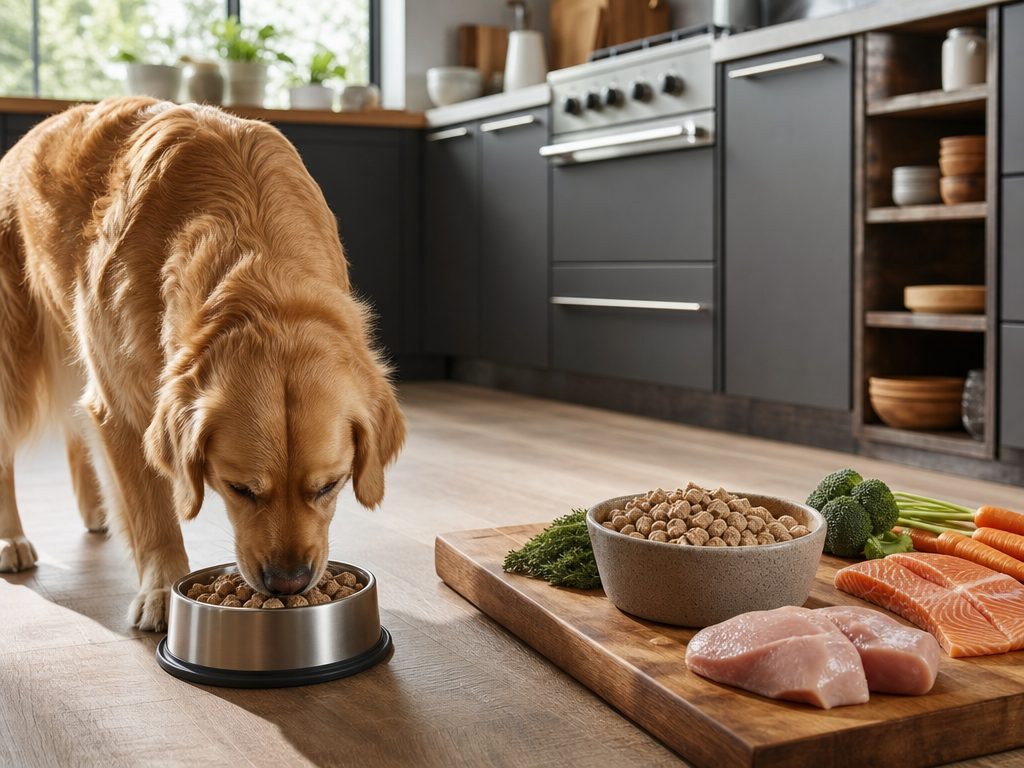
While freeze-dried dog food can technically be fed dry as a convenient treat or topper, rehydrating the food before serving is highly recommended for daily meals. Canines have a low natural thirst drive because their wild ancestors obtained the majority of their moisture directly from the fresh prey they consumed (which typically consists of 70% to 80% water). Feeding a purely dry diet can leave dogs in a state of chronic, mild dehydration, placing unnecessary stress on their kidneys and urinary tract.
To properly rehydrate freeze-dried food, you must follow the manufacturer's specific instructions. For Ultimate Pet Nutrition's Nutra Complete, the official preparation guidelines recommend a 2:1 food-to-water ratio. Follow these precise steps:
1. Measure the Food: Portion out the correct amount of freeze-dried nuggets or kibble into your dog's bowl.
2. Add Warm Water: Add 1/2 cup of warm water for every 1 cup of Nutra Complete. Avoid boiling water, as extreme heat can destroy the very enzymes and heat-sensitive nutrients you chose freeze-dried food to preserve.
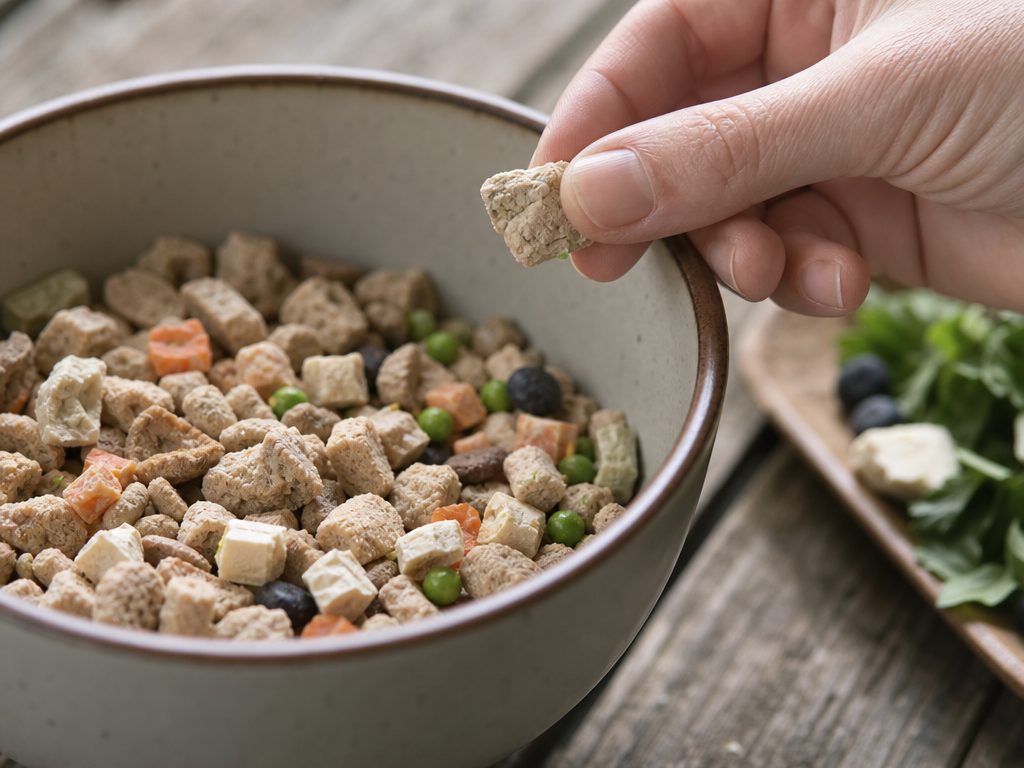
3. Stir and Steep: Stir the mixture gently and allow it to sit for 3 to 5 minutes. This allows the moisture to penetrate the core of the freeze-dried pieces, restoring them to a soft, meat-like texture.
4. Alternative Liquids: For an extra nutritional boost, you can substitute warm water with low-sodium organic bone broth (which provides collagen and joint-supporting glucosamine) or raw goat's milk (which introduces beneficial probiotics and digestive enzymes).
Rehydrating the food not only supports kidney and urinary tract health but also enhances the natural aroma and flavor of the meat, making it highly palatable for picky eaters.
Sources: ultimatepetnutrition.com, www.avma.org
The Financial Equation: Cost-Per-Serving Analysis and Budgeting Strategies
There is no avoiding the reality that premium freeze-dried dog food carries a significant financial premium. The advanced technology of freeze-drying, combined with high-quality sourcing of real meats and organic superfoods, results in a much higher cost per pound than traditional kibble. For pet owners on a budget, feeding a large breed dog a 100% freeze-dried diet can quickly become financially unsustainable.
To put this into perspective, let's analyze the cost-per-serving dynamics. A standard 16-ounce (1 lb) bag of Nutra Complete contains approximately 7 cups of dry food and can cost between $40 and $60 depending on the recipe and retailer. According to the manufacturer's feeding guidelines, a 50-pound active dog requires 3 cups per day of the Premium Beef recipe, or 4.5 cups per day of the Premium Chicken recipe.
This means a single 16-ounce bag will only last a 50-pound dog about 2.3 days (for Beef) or 1.5 days (for Chicken) if fed as their sole daily diet. At this rate, feeding a medium-to-large dog exclusively on freeze-dried raw food can cost between $600 and $900 per month.
Fortunately, you do not have to adopt an "all-or-nothing" approach to reap the benefits of "Nutra-style" nutrition. Many pet owners successfully utilize these premium formulas as "toppers" or "mixers." By replacing 25% to 50% of your dog's standard high-quality kibble with rehydrated freeze-dried food, you can dramatically boost their intake of bioavailable proteins, organ meats, and active enzymes while keeping monthly pet food expenses manageable.
Sources: ultimatepetnutrition.com, www.avma.org
Pathogen Safety and the Raw Food Debate: Mitigating Zoonotic Risks
Because freeze-dried food starts as raw meat, it is at the center of an ongoing debate regarding pathogen safety. Major public health and veterinary organizations, including the Centers for Disease Control and Prevention (CDC), the Food and Drug Administration (FDA), and the Cornell Riney Canine Health Center, have expressed strong cautions against feeding raw diets. The primary concern is the potential presence of zoonotic pathogens such as Salmonella, Listeria monocytogenes, and Escherichia coli. These bacteria can cause severe gastrointestinal illness in dogs and, more importantly, can be transmitted to the humans in the household through direct contact with the food, the dog's saliva, or contaminated surfaces.
It is a common misconception that freeze-drying sterilizes food. In fact, freeze-drying merely removes moisture, which halts bacterial reproduction but does not necessarily kill existing pathogens; bacteria can remain dormant in a dry state for years. To address this risk, reputable manufacturers of premium freeze-dried pet foods employ safety interventions. The most common is High-Pressure Processing (HPP), a non-thermal pasteurization method that subjects the food to extreme hydrostatic pressure, effectively crushing the cell walls of harmful pathogens while leaving nutrients intact. Additionally, top-tier brands utilize strict "test-and-hold" protocols, where individual batches are tested for pathogens and are only released for shipment once they are confirmed negative.
To maintain a safe household, pet owners must practice strict hygiene:
- Wash hands thoroughly with soap and water for at least 20 seconds after handling the food.
- Use dedicated stainless steel or ceramic pet bowls (plastic bowls can harbor microscopic scratches where bacteria multiply).
- Sanitize all preparation surfaces, utensils, and feeding bowls immediately after use.
- Avoid letting your dog lick your face, especially shortly after they have eaten.
Sources: www.cdc.gov, www.vet.cornell.edu
A Systematic 10-Day Transition Protocol for Sensitive Canine Digestive Systems
Abruptly switching your dog's diet from highly processed kibble to a nutrient-dense, raw-style freeze-dried diet is a recipe for gastrointestinal distress. Traditional kibble relies heavily on starches and carbohydrates, which require different digestive enzymes and a different gut microbiome profile than a high-protein, high-fat raw diet. A sudden change can overwhelm the pancreas and digestive tract, leading to vomiting, diarrhea, or acute colitis.
To ensure a safe and comfortable transition, implement a gradual 10-day protocol:
- Days 1 to 3 (25% New / 75% Old): Introduce a small amount of the rehydrated freeze-dried food, mixing it thoroughly with your dog's current kibble.
- Days 4 to 6 (50% New / 50% Old): Equalize the portions. Monitor your dog's stool consistency closely.
- Days 7 to 9 (75% New / 25% Old): Shift the majority of the meal to the freeze-dried formula.
- Day 10 (100% New): Complete the transition to the freeze-dried diet.
If your dog experiences loose stools or mild gas during this process, do not panic. This is often a normal sign of the microbiome adjusting. Immediately drop back to the previous successful ratio (e.g., from 50/50 back to 25/75) and maintain that ratio for an additional 3 to 4 days before attempting to progress again. Adding a spoonful of plain canned pumpkin (not pumpkin pie mix) can provide soluble fiber to help firm up stools during the transition. If your dog exhibits severe symptoms such as persistent vomiting, lethargy, or bloody stools, halt the transition immediately and seek veterinary care.
Sources: www.avma.org
Monitoring Recalls and Verifying Manufacturer Transparency
Even the most premium, veterinarian-formulated pet foods are subject to manufacturing errors, ingredient contamination, or nutritional imbalances. For example, on June 8, 2026, Go Raw LLC expanded a voluntary recall of Steve's Real Food Freeze-Dried Chicken Recipe due to low thiamine (Vitamin B1) levels, highlighting how critical quality control is in freeze-dried manufacturing. Thiamine deficiency can lead to severe neurological symptoms in pets, illustrating that safety is not just about avoiding pathogens, but also about ensuring precise nutritional formulation.
To protect your pet, you must become a proactive consumer. Regularly monitor the FDA's Center for Veterinary Medicine recall database for active safety alerts and enforcement actions. When evaluating a freeze-dried brand, look for manufacturers that demonstrate high transparency. A responsible brand should openly share:
- The geographic sourcing of their ingredients (e.g., ranch-raised beef from the USA or grass-fed lamb from New Zealand).
- Whether they utilize High-Pressure Processing (HPP) or alternative pathogen-reduction steps.
- Proof of third-party laboratory testing for pathogens (Salmonella, Listeria, E. coli) on every production lot.
- Clear contact information for customer support to answer detailed formulation questions.
If you suspect that a batch of pet food has caused your dog to become ill, you can report the adverse event directly to the FDA through their Safety Reporting Portal.
Sources: www.fda.gov
Contraindications and Life-Stage Considerations: When "Nutra-Style" May Not Fit
While "Nutra-style" freeze-dried diets offer exceptional benefits for many dogs, they are not a universal panacea. Certain health profiles and life stages require specific dietary modifications, and a high-protein, raw-style diet may actually be contraindicated in some cases.
For instance, dogs with a history of pancreatitis or those highly sensitive to dietary fats may struggle with the rich fat content typical of freeze-dried raw formulas (which often have a crude fat content exceeding 20%). Similarly, dogs suffering from advanced chronic kidney disease (CKD) or severe liver disease often require carefully restricted protein and phosphorus levels to reduce the workload on these compromised organs; the high-protein, organ-rich profile of freeze-dried diets can exacerbate these conditions.
Life stage is another critical factor. Puppies, particularly large-breed puppies, have incredibly precise requirements for calcium and phosphorus to ensure proper skeletal development. If a freeze-dried food is formulated strictly for "Adult Maintenance," feeding it to a growing puppy can lead to permanent orthopedic deformities. Always verify that the packaging explicitly states the food is formulated to meet AAFCO standards for "Growth" or "All Life Stages" if you plan to feed it to a puppy.
Sources: www.fda.gov
Collaborating with Your Veterinarian: Preparing for a Nutritional Consultation
Before making any significant changes to your pet's daily nutritional regimen, it is imperative to consult with a professional who understands your dog's unique medical history. A diet that works wonders for one dog could be detrimental to another.
Educational information only; it is not medical or veterinary advice. Consult an appropriately licensed professional for decisions about care.
When scheduling a nutritional consultation with your veterinarian or a board-certified veterinary nutritionist, come prepared to make the most of your visit. Bring the following information:
- The exact ingredient list and guaranteed analysis of the freeze-dried food you are considering.
- Your dog's current weight, body condition score, and daily activity level.
- A list of all current medications, supplements, and treats your dog receives.
Ask your veterinarian specific, targeted questions, such as:
- "Does my dog's current bloodwork and organ function support a high-protein, raw-style diet?"
- "Given my dog's breed and age, do you recommend this specific formula as a complete meal or should I use it as a topper?"
- "What specific health markers (such as coat quality, energy levels, or kidney values) should we monitor over the next six months to ensure this diet is benefiting them?"
By partnering with your veterinarian, you can confidently navigate the complex world of canine nutrition and tailor a diet that truly supports your dog's long-term health and vitality.
Sources: www.avma.org