The Mechanics of P2P Payment App Fraud
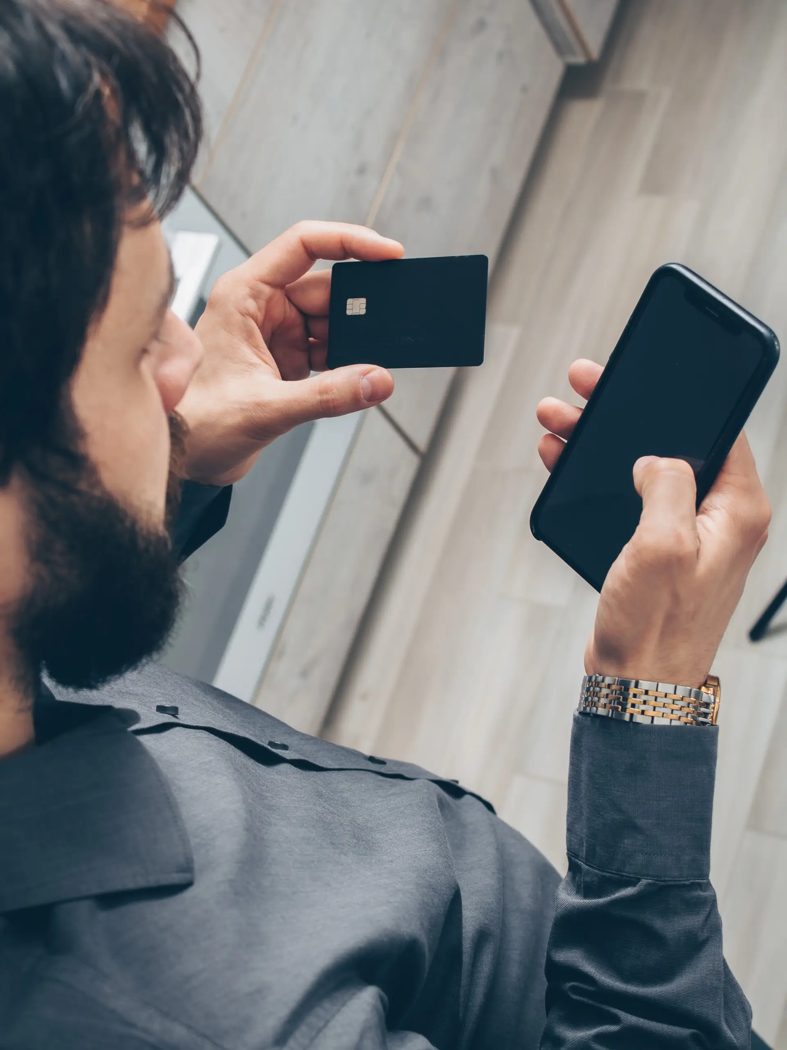
Digital peer-to-peer (P2P) payment networks like Zelle, Venmo, and Cash App have fundamentally transformed the velocity of money. Unlike traditional credit card transactions, which are governed by the Fair Credit Billing Act (FCBA) and offer robust chargeback mechanisms, or ACH transfers, which can take days to clear, P2P payments settle almost instantly. This instant settlement is highly convenient for splitting bills or paying trusted service providers, but it is also the exact feature that makes these platforms a prime target for financial criminals.
Once a user authorizes a transfer, the funds are debited from their bank account and credited to the recipient's account within seconds. Because the money is gone immediately, the sender's bank has virtually no window to stop, recall, or claw back the transaction. This lack of a "buffer period" shifts the burden of security entirely onto the consumer, making it imperative to understand the technical and operational differences between P2P platforms and traditional payment methods.
Sources: consumer.ftc.gov
The Legal Framework: Regulation E and the "Authorized" vs. "Unauthorized" Dilemma
The primary federal consumer protection regulation governing electronic fund transfers is Regulation E, which implements the Electronic Fund Transfer Act (EFTA). Under Regulation E, consumers are protected against "unauthorized" electronic fund transfers—such as when a hacker gains access to an account and transfers money without the owner's knowledge or consent. In these scenarios, if the consumer reports the unauthorized transfer promptly, the financial institution is legally required to investigate and, in most cases, reimburse the lost funds.
However, a major legal gray area exists regarding "authorized" transactions where a consumer is socially engineered or coerced into sending money. Historically, if a consumer physically initiated the transfer—even if they were completely deceived by a scammer—banks classified the transaction as "authorized" and denied reimbursement claims. The Consumer Financial Protection Bureau (CFPB) clarified this in its Electronic Fund Transfers FAQs, stating that if a consumer is tricked into providing their account credentials or access codes to a third party who then initiates the transfer, that transaction is legally "unauthorized" and subject to Regulation E protections. Conversely, if the consumer initiates the transfer themselves due to a scam, it is generally excluded from federal Regulation E protection.
General educational information only; it is not individualized financial, tax, lending, or investment advice. Verify current terms with an appropriate professional or official agency.
Sources: www.consumerfinance.gov
Zelle's Evolving Reimbursement Policies for Imposter Scams
In response to mounting pressure from federal lawmakers and consumer advocacy groups, Zelle's parent company, Early Warning Services (EWS)—which is jointly owned by seven of the nation's largest banks—implemented a significant policy change. Under this mandate, all participating financial institutions on the Zelle network are required to reimburse consumers for "qualifying imposter scams". This specific category covers instances where a scammer impersonates a representative from a bank, a government agency, or an established utility/service provider to trick the consumer into sending money.
While this policy represents a major step forward, it has clear limitations. It does not cover commercial purchase scams, such as buying a non-existent puppy or concert tickets on an online marketplace. Furthermore, because the policy is managed internally by EWS rather than codified into federal law, the criteria for what constitutes a "qualifying" scam can be opaque, and enforcement across the thousands of participating credit unions and banks can vary. Consumers should not view this policy as a blanket safety net, but rather as a narrow, conditional protection.
Sources: www.consumerfinance.gov

The Regulatory and Legal Battleground: CFPB and State Lawsuits
The tension between consumer protection and bank liability has led to high-profile legal battles. In December 2024, the CFPB filed a landmark lawsuit against EWS and three of its largest bank owners—JPMorgan Chase, Bank of America, and Wells Fargo—alleging they failed to implement adequate anti-fraud measures and routinely denied legitimate consumer disputes. However, in a dramatic shift, the CFPB voluntarily dismissed the lawsuit with prejudice in March 2025 under a new regulatory administration.
Despite this federal dismissal, state-level regulators have continued to press forward. For instance, the New York Attorney General Letitia James filed a major lawsuit alleging that Zelle's design and lack of safeguards enabled over $1 billion in fraud. This litigation remains active, highlighting that consumer protections on P2P apps are increasingly shaped by state laws and local attorney general actions rather than a uniform federal standard.
General educational information only; laws, program rules, fees, and eligibility change. Confirm current requirements with the responsible government agency or a qualified professional.
Sources: www.consumerfinance.gov
Anatomy of the "Me-to-Me" Bank Impersonation Scam
The "Me-to-Me" scam is one of the most sophisticated and financially devastating tactics used today. It begins with a phone call or text message that appears to come directly from your bank's fraud department, often utilizing spoofed caller ID technology to look completely legitimate. The scammer alerts you to "suspicious activity" on your account and claims they need to help you secure your funds.
To "protect" your money, the caller instructs you to open your banking app and send a Zelle payment to your own phone number or email address, claiming this will transfer the funds to a "secure, temporary vault" or a "newly secured account" in your name. In reality, the scammer has already linked your contact information to a bank account they control, or they walk you through a process that registers their account under your details. The moment you authorize the transfer, the money is routed directly to the criminal's account, leaving you with a cleared balance and no immediate way to reverse the transaction.
Sources: consumer.ftc.gov
Other High-Risk Scam Blueprints to Watch For
Beyond bank impersonation, consumers must remain vigilant against several other common P2P scam blueprints:
- **The "Accidental Deposit" Scam**: A stranger sends you a sum of money "by mistake" and immediately contacts you, begging you to send it back. The catch is that the initial deposit was made using a stolen credit card or a hacked bank account. Once the bank discovers the fraud, they will reverse the original deposit, but any money you sent back out of your own pocket will be permanently gone.
- **The Online Marketplace Buyer/Seller Scam**: When selling items on platforms like Facebook Marketplace, a "buyer" may insist on paying via Zelle. They will send a spoofed email claiming you need to pay a fee to upgrade to a "business account" before the funds can be released, promising to reimburse you. Once you pay the fee, the buyer disappears.
- **The Utility or Government Threat**: Scammers pose as utility company representatives or IRS agents, threatening immediate service disconnection or legal arrest unless an outstanding balance is paid immediately via a P2P app. Legitimate government agencies and utility companies will never demand payment through these platforms.
Sources: consumer.ftc.gov
A Pre-Transaction Verification Protocol (The Checklist)
To protect your funds, you should establish a strict, non-negotiable verification protocol before sending any P2P payment:
1. **The $1 Micro-Transaction Test**: If you are sending money to a new recipient, always send a single dollar first. Wait for them to confirm receipt before sending the remaining balance. This ensures the payment details are correct and prevents costly typos.
2. **Out-of-Band Verification**: If a friend or family member requests money unexpectedly, do not reply to the message. Instead, call them directly using a phone number you have previously saved in your contacts to confirm the request is genuine.
3. **Check the "Enrolled" Status**: Many banking apps display a visual indicator (such as a checkmark or a specific icon) showing whether the recipient's phone number or email is already enrolled in Zelle. If the app warns you that the recipient is not enrolled, treat this as a major red flag.
4. **Utilize QR Codes**: For in-person transactions, scan the recipient's unique QR code directly from their device rather than manually typing in their phone number or email address.
Sources: www.ftc.gov
Hardening Your Mobile Device and Financial App Security
Securing your physical device and your banking applications is your first line of defense against unauthorized access. You should implement the following security configurations immediately:
- **Transition Away from SMS 2-Factor Authentication**: SMS-based codes are highly vulnerable to SIM-swapping attacks, where a scammer convinces your mobile carrier to port your number to their device. Instead, use authenticator apps (like Google Authenticator or Duo) or hardware security keys to secure your email and banking portals.
- **Enable App-Specific Biometrics**: Configure your mobile device so that your banking and P2P apps require a biometric scan (FaceID or fingerprint) or a unique PIN every single time they are opened, even if the phone itself is already unlocked.
- **Set Up Real-Time Alerts**: Enable immediate push notifications and email alerts for all transaction activity. This ensures that if an unauthorized transfer does occur, you are notified instantly, allowing you to act within minutes.
- **Prune Linked Accounts**: Regularly audit your P2P profiles and remove any linked debit cards, credit cards, or bank accounts that you no longer actively use.
Sources: www.ftc.gov
Immediate Action Plan: What to Do Within 24 Hours of a Scam
If you realize you have fallen victim to a scam, every minute counts. Take these steps immediately:
1. **Contact Your Bank's Dedicated Fraud Department**: Do not call the general customer service line; ask specifically for the fraud or dispute department. Clearly state whether the transaction was "unauthorized" (someone hacked your account) or if you were victimized by a "qualifying imposter scam" (someone impersonated your bank or a government official).
2. **File a Local Police Report**: Request a physical copy of the police report or a report number. Banks often require official law enforcement documentation before they will process a fraud claim or initiate a clawback.
3. **Secure Your Digital Identity**: Change the passwords and security questions for your banking apps, email accounts, and mobile carrier portals.
4. **Freeze Your Credit**: Contact the three major credit bureaus—Equifax, Experian, and TransUnion—to place a freeze on your credit reports. This prevents scammers from using any personal information they may have gathered to open new accounts in your name.
Sources: www.consumerfinance.gov
How to File Effective Reports with Government Agencies
Reporting the scam to federal and state authorities is crucial for documenting the incident and helping law enforcement track down criminal networks. When filing a report, gather all relevant evidence, including transaction IDs, timestamps, phone numbers, email addresses, and screenshots of any correspondence.
- **Federal Trade Commission (FTC)**: File a report at reportfraud.ftc.gov. The FTC uses this data to investigate widespread fraud patterns and coordinate with law enforcement.
- **FBI's Internet Crime Complaint Center (IC3)**: Submit a complaint at ic3.gov for any cyber-enabled financial fraud.
- **Consumer Financial Protection Bureau (CFPB)**: If your bank refuses to investigate or unfairly denies your dispute, submit a formal complaint at consumerfinance.gov. The CFPB will forward your complaint to the bank and monitor their response.
Sources: www.ic3.gov
- https://consumer.ftc.gov/consumer-alerts/2024/05/how-avoid-scammers-when-you-use-payment-apps
- https://www.consumerfinance.gov/consumer-tools/
- https://www.ftc.gov/advice-guidance/consumers
- https://www.irs.gov/
- https://www.fcc.gov/consumers/guides/inmate-telephone-service
- https://www.archives.gov/veterans/military-service-records
- https://www.va.gov/
- https://www.consumerfinance.gov/
- https://www.ic3.gov/