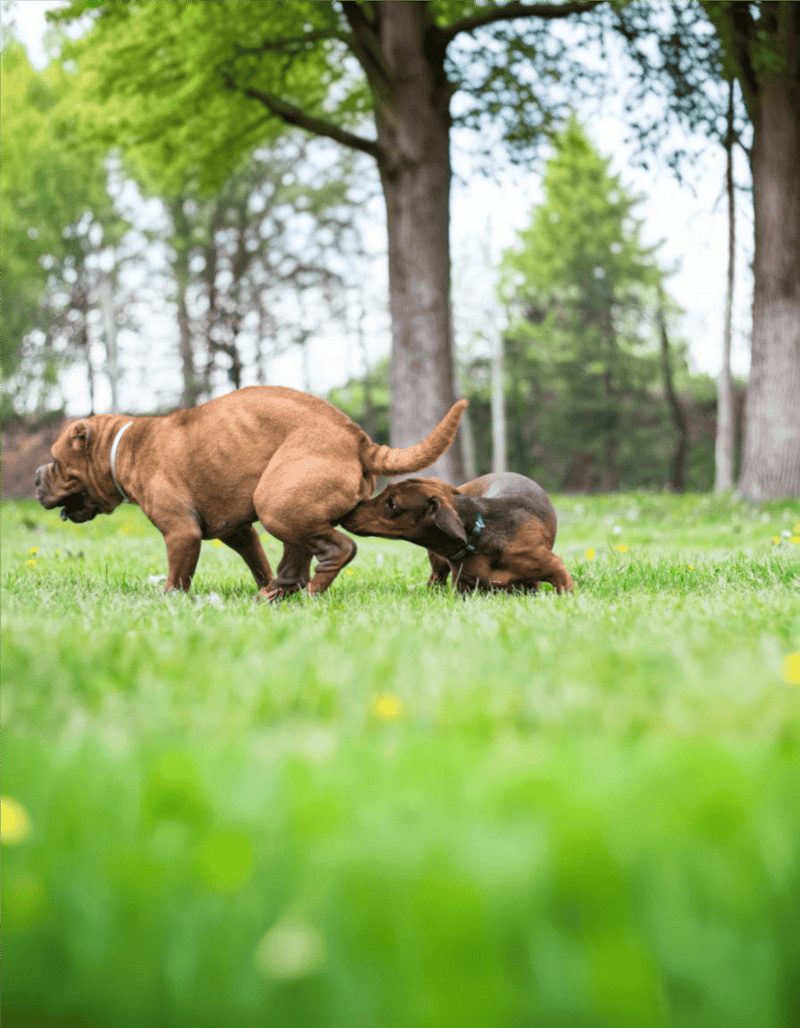
Understanding the Canine Estrus Cycle: A Biological Overview
Educational information only; it is not medical or veterinary advice. Consult an appropriately licensed professional for decisions about care. When a female dog reaches physical maturity, she begins to experience a recurring reproductive cycle known as being in heat, or estrus [1.1.4]. This natural biological process indicates that she is physically capable of reproducing. For many pet owners, navigating this phase for the first time can be intimidating due to the physical and behavioral changes that accompany it. Understanding what is happening to your dog's body can ease your anxiety and help you provide the best possible care during this sensitive time.
The age at which a dog experiences her first heat cycle varies dramatically depending on her breed and projected adult size. Small-breed dogs, such as Chihuahuas or Toy Poodles, often reach sexual maturity much faster, sometimes experiencing their first estrus as early as 4 to 6 months of age. Conversely, large- and giant-breed dogs, such as Great Danes or Mastiffs, may not experience their first heat cycle until they are 18 to 24 months old. On average, most female dogs will go into heat twice a year, roughly every six months, though this frequency can also vary by breed. For instance, Basenjis typically cycle only once per year.
Sources: www.merckvetmanual.com, www.akc.org, www.akc.org, www.akc.org, www.merckvetmanual.com
The Four Phases of the Heat Cycle: A Detailed Breakdown
The canine reproductive cycle is divided into four distinct phases, each characterized by specific hormonal, physical, and behavioral changes. Understanding these phases allows owners to track their dog's cycle accurately and anticipate her needs.
1. Proestrus: This is the preparation phase, lasting an average of 9 days, though it can range from 3 to 21 days. During this stage, estrogen levels rise, causing the vulva to swell and a bloody vaginal discharge to appear. While female dogs are highly attractive to male dogs during proestrus due to pheromone release, they are not yet receptive to mating and will actively reject any male advances.
2. Estrus: Often referred to as "standing heat," this is the active fertile window. It also lasts an average of 9 days (range: 3 to 21 days). Estrogen levels decline while progesterone levels begin to rise, and ovulation occurs approximately 2 to 3 days after a peak in luteinizing hormone (LH). The vaginal discharge typically lightens in color, becoming pinkish or straw-colored, and the vulva becomes softer. The female becomes receptive to mating and will display "flagging" behavior, moving her tail to one side when touched on her lower back.
3. Diestrus: This phase follows estrus and lasts approximately 60 days. During diestrus, progesterone levels remain elevated, whether the dog is pregnant or not. The female is no longer receptive to males, and her body either supports a pregnancy or slowly returns to its resting state.
4. Anestrus: This is the prolonged phase of reproductive inactivity, lasting between 1 and 6 months. During anestrus, the ovaries are inactive, and the uterus undergoes repair and rest in preparation for the next cycle.
Sources: www.merckvetmanual.com, www.akc.org, www.akc.org, www.merckvetmanual.com
Recognizing the Physical and Behavioral Signs of Estrus
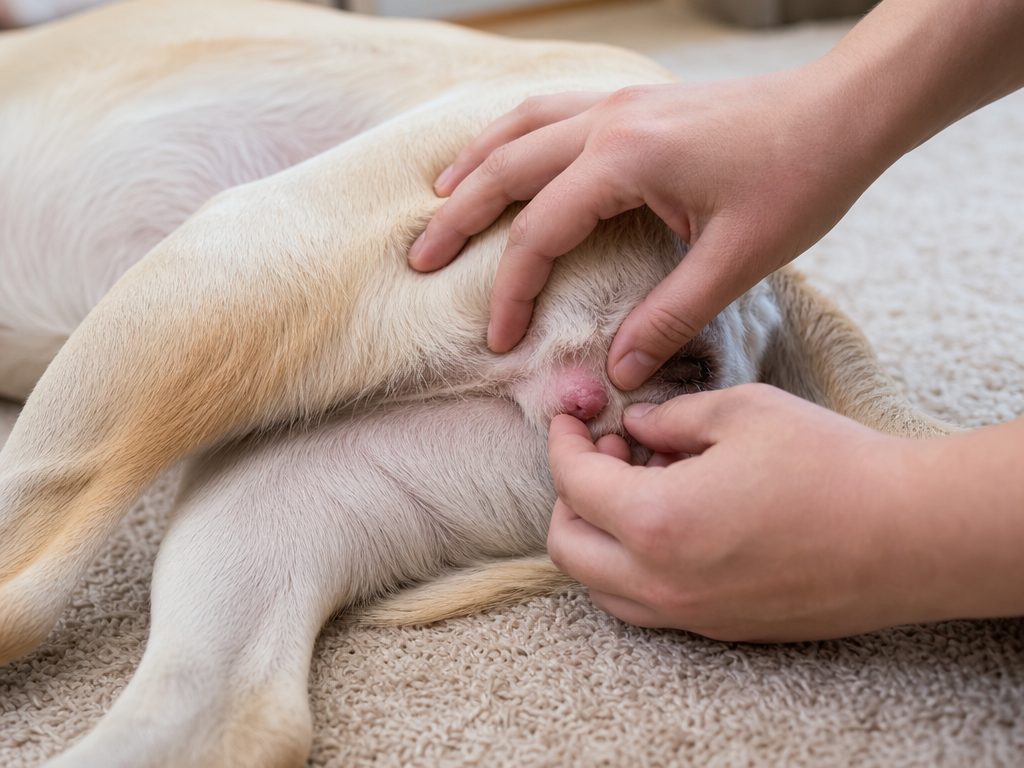
Identifying when your dog is entering her heat cycle is crucial for timely management. Physical symptoms typically include a noticeably swollen vulva and a bloody or straw-colored vaginal discharge. You may also observe distinct behavioral changes; some dogs become unusually affectionate or clingy, while others may appear anxious, easily startled, or exhibit nesting behaviors like gathering blankets and toys. Additionally, she may urinate more frequently to distribute pheromones, signaling her reproductive status to nearby male dogs. Because every dog is an individual, these signs can vary significantly in intensity and duration from breed to breed.
Owners should also be aware of "silent heats," which are cycles that occur with minimal to no external physical signs, such as swelling or bleeding. Despite the lack of visible symptoms, the dog still ovulates and can become pregnant. Tracking your dog's cycles on a calendar or dedicated pet-tracking app can help you identify subtle patterns and anticipate her fertile windows.
Sources: www.akc.org, www.merckvetmanual.com, www.akc.org, www.akc.org
Practical Hygiene Management: Diapers and Skin Care
Managing the physical discharge of a dog in heat requires a practical approach to hygiene. To protect your carpets and furniture, you can utilize dog diapers, which are widely available in disposable or washable fabric styles. Disposable diapers offer convenience with adjustable adhesive tabs, while reusable fabric diapers are eco-friendly and cost-effective over multiple cycles. To apply a diaper, gently thread your dog's tail through the designated tail hole, wrap the diaper around her hindquarters, and secure the tabs snugly but comfortably, ensuring it does not pinch her skin.
It is essential to change these diapers frequently—typically every 3 to 4 hours, or immediately when soiled—to prevent moisture buildup. Prolonged contact with wet diapers can lead to skin irritation, urine scalding, or bacterial skin infections, such as pyoderma. Regularly wiping her delicate areas with a damp, warm cloth can also keep her clean and comfortable. Crucially, owners must understand that diapers are purely a sanitary measure; they do not act as a physical barrier to mating. A determined male dog can easily bypass or destroy a diaper, so diapers should never be used as a substitute for secure containment.
Sources: www.akc.org, www.akc.org, www.merckvetmanual.com, www.akc.org

Preventing Unplanned Pregnancies: The Double-Barrier Rule
During the active phases of her cycle, preventing unplanned breeding is your primary responsibility. Intact male dogs can detect a female in heat from a considerable distance via pheromones and may go to extreme lengths to reach her. When walking your dog, keep her on a secure, short, non-retractable leash at all times and avoid off-leash areas like public dog parks, pet stores, or doggy daycares. Never leave her unattended in a fenced backyard, as determined male dogs have been known to jump over, dig under, or even breed through standard residential fences.
To ensure absolute safety, implement the "double-barrier" rule. This means your dog should always be separated from the outside world by at least two secure boundaries—such as being crated inside a closed room, or kept behind a locked exterior door and a secure perimeter fence. Additionally, keep all doors and windows securely shut to prevent her from escaping in search of a mate.
Sources: www.akc.org, www.akc.org
Behavioral Comfort and Stress Reduction
The hormonal fluctuations of the estrus cycle can cause significant stress, anxiety, and mood swings in female dogs. To support your dog during this time, focus on creating a calm, predictable home environment. Set up a designated "safe haven" or "den" in a quiet corner of your home, equipped with her favorite bed, blankets, and toys where she can nest undisturbed.
Because physical exercise must be restricted to quiet, secure areas to avoid intact males, replace long outdoor walks with indoor mental enrichment. Puzzle toys, lick mats, stuffed KONGs, and gentle nose-work games are excellent ways to burn excess energy, stimulate her brain, and reduce anxiety without exposing her to outdoor risks. Respect her boundaries during this sensitive phase; if she seeks out your company, offer extra affection and gentle grooming, but if she prefers to rest alone, ensure she is left undisturbed by other family members and pets.
Sources: www.akc.org, www.akc.org
Managing a Multi-Dog Household
Managing an intact female dog in heat within a multi-dog household presents unique challenges, particularly if you also have intact male dogs. The drive to mate is incredibly strong, and keeping them separated requires absolute vigilance and a structured plan.
The most reliable method is the "crate-and-rotate" system, where the male and female are never allowed in the same room at the same time. While one dog is loose and interacting with the family, the other is securely crated or confined to a locked room behind a solid door. Do not rely on baby gates, as determined dogs can easily jump over or knock them down. Scent-masking techniques, such as bathing the female regularly or using specialized sprays, can help reduce the intensity of the odor, but they will not eliminate the male's instinctual drive. If the stress of maintaining this separation is too high for your household, consider boarding the intact male at a professional facility or leaving him with a trusted friend or relative for the duration of the female's active estrus phase (typically 2 to 3 weeks).
Sources: www.akc.org
Dietary and Appetite Fluctuations
It is common for female dogs to experience fluctuations in appetite and energy levels during their heat cycle. The surge in hormones, particularly progesterone, can cause mild nausea, lethargy, or a temporary decrease in appetite (hyporexia). If your dog turns her nose up at her regular meals, do not panic, but monitor her closely.
You can encourage her to eat by adding highly palatable, safe toppers to her food, such as warm, low-sodium bone broth (ensuring it contains no onions or garlic), plain boiled chicken, or a spoonful of wet dog food. Ensure she always has access to clean, fresh water. While some dogs may drink slightly more during their cycle, a dramatic increase in thirst (polydipsia) or urination (polyuria) should be noted immediately, as these can be early warning signs of serious underlying complications rather than normal cycle variations.
Sources: www.akc.org, www.merckvetmanual.com, www.akc.org
Crucial Health Monitoring: Recognizing Pyometra and Mastitis
While the heat cycle is a natural process, it carries risks of serious, life-threatening complications that every owner must be able to recognize. The most critical of these is pyometra, a severe bacterial infection of the uterus that typically develops 4 to 12 weeks after the end of a heat cycle. Pyometra is driven by hormonal changes that cause the uterine lining to thicken and form cysts, creating an ideal environment for bacterial growth.
Pyometra can present in two forms:
1. Open Pyometra: The cervix remains open, allowing foul-smelling, pus-filled, or blood-stained discharge to drain from the vagina. While still a medical emergency, it is easier to detect early.
2. Closed Pyometra: The cervix is closed, trapping the pus and infection inside the uterus. The uterus can swell dramatically and eventually rupture, leading to fatal peritonitis (abdominal infection) and rapid septic shock. This is an extreme, life-threatening emergency.
Owners must watch for the following symptoms of pyometra: extreme lethargy, depression, excessive drinking and frequent urination, vomiting, loss of appetite, fever, and abdominal distention. Another potential complication is mastitis, an infection of the mammary glands that causes them to become swollen, firm, hot, and painful to the touch. If you observe any of these symptoms, seek immediate emergency veterinary care.
Sources: www.akc.org, www.akc.org, www.merckvetmanual.com, www.merckvetmanual.com, www.merckvetmanual.com, www.akc.org
The Spay Decision: Timing, Benefits, and Trade-Offs
For many households, spaying (ovariohysterectomy) is the most effective long-term solution to eliminate heat cycles, prevent unwanted litters, and lower the risk of serious health issues such as pyometra and mammary tumors. However, the timing of this procedure is a subject of ongoing veterinary research and depends heavily on your dog's breed and size.
According to the American Animal Hospital Association (AAHA) Canine Life Stage Guidelines, the recommendations are split by projected adult weight:
- Small-Breed Dogs (<45 lbs): It is generally recommended to spay small-breed females prior to their first heat cycle, typically around 5 to 6 months of age. This timing provides maximum protection against the development of mammary neoplasia (breast cancer).
- Large-Breed Dogs (>=45 lbs): For larger breeds, veterinarians often recommend delaying the procedure until growth stops, which typically occurs between 5 and 15 months of age. Delaying the spay allows the dog's growth plates to close under the influence of natural hormones, which has been shown to decrease the risk of orthopedic diseases (such as cranial cruciate ligament tears and hip dysplasia) and certain joint disorders.
Owners must weigh these competing risks—balancing the benefit of reducing mammary tumors by spaying early against the benefit of protecting joint and bone health by spaying later. Consult your veterinarian to create a personalized plan based on your dog's specific breed, lifestyle, and health history.
Sources: www.akc.org, www.aaha.org, www.aaha.org, www.aaha.org
Veterinary Coordination and Financial Planning
When planning for your dog's reproductive health, whether managing her cycles or scheduling a spay surgery, proactive veterinary coordination and financial planning are essential. The cost of spay surgery can vary widely based on several factors, including your geographic location, the dog's size and weight (larger dogs require more anesthesia and surgical time), and whether she is actively in heat during the procedure (spaying a dog in heat is more complex and expensive due to engorged blood vessels). Prices can range from $150 at low-cost community clinics to over $800 at full-service private veterinary hospitals.
Before scheduling any procedure, request a detailed written estimate from your clinic and inquire about pre-operative bloodwork, which is highly recommended to ensure your dog's organs can safely process anesthesia. Because veterinary recommendations, local licensing laws, and surgical costs can change over time, always consult directly with your local clinic to confirm current guidelines and pricing. You can verify your veterinarian's credentials and check for any licensing updates through your state's veterinary medical licensing board.
Sources: www.akc.org
- https://www.cdc.gov/
- https://www.fda.gov/consumers
- https://www.avma.org/resources-tools/pet-owners
- https://www.merckvetmanual.com/dog-owners/reproductive-disorders-of-female-dogs/management-of-reproduction-in-dogs
- https://www.akc.org/expert-advice/health/how-to-time-ovulation-in-the-heat-cycle/
- https://www.akc.org/expert-advice/health/how-long-are-dogs-in-heat/
- https://www.akc.org/expert-advice/health/do-dogs-have-periods/
- https://www.merckvetmanual.com/reproductive-system/reproductive-management-of-the-female-small-animal/reproductive-management-of-the-female-small-animal
- https://www.akc.org/expert-advice/health/a-danger-for-intact-females-pyometra/
- https://www.akc.org/expert-advice/health/signs-of-false-pregnancy-in-dogs-what-to-look-out-for/
- https://www.akc.org/expert-advice/health/how-often-do-dogs-go-into-heat/
- https://www.akc.org/expert-advice/health/everything-you-need-to-know-about-diapers-for-dogs/
- https://www.merckvetmanual.com/dog-owners/skin-disorders-of-dogs/pyoderma-in-dogs
- https://www.akc.org/expert-advice/health/everything-you-need-to-know-about-caring-for-an-intact-dog/
- https://www.merckvetmanual.com/reproductive-system/ovarian-remnant-syndrome-in-small-animals/cystic-endometrial-hyperplasia%E2%80%93pyometra-complex-in-small-animals
- https://www.merckvetmanual.com/dog-owners/reproductive-disorders-of-female-dogs/reproductive-disorders-of-female-dogs
- https://www.merckvetmanual.com/reproductive-system/peritonitis-in-animals/peritonitis-in-animals
- https://www.akc.org/expert-advice/health/miscarriage-in-dogs-signs-symptoms-treatment/
- https://www.aaha.org/your-pet/pet-owner-education/ask-a-vet-online/canine-life-stage-puppy/
- https://www.aaha.org/publications/guidelines/2019-aaha-canine-life-stage-guidelines/proposed-ages-for-sterilization/
- https://www.aaha.org/your-pet/pet-owner-education/ask-a-vet-online/when-should-i-spay-or-neuter-my-pet/
- https://www.akc.org/expert-advice/health/the-importance-of-preventative-health-care-in-bitches-and-puppies/