
The Modern Equation of Car Ownership: Balancing Costs and Carbon
Deciding when to replace an older vehicle is a significant financial and environmental crossroads. While holding onto an aging car might seem like the cheapest path, the compounding costs of frequent repairs, poor fuel economy, and outdated safety features often tell a different story. Upgrading to a newer, highly efficient vehicle can serve as a dual-purpose strategy: reducing your weekly fuel expenses while minimizing your environmental impact. However, navigating the modern automotive market requires a careful balance of financial planning and environmental awareness.
Before diving into dealerships, it is crucial to establish a clear baseline of your current financial health. Utilizing online tools to evaluate your budget and prepare for major purchases is a great starting point. The Consumer Financial Protection Bureau (CFPB) provides excellent resources to help consumers assess their financial readiness for major purchases. Please note: The information in this guide serves as general educational information only; it is not individualized financial, tax, lending, or investment advice. Verify current terms with an appropriate professional or official agency.
Sources: www.consumerfinance.gov
The True Cost of Keeping an Aging Vehicle vs. Upgrading
Many drivers fall victim to the "sunk cost" fallacy when it comes to their vehicles. They believe that because they have already spent thousands of dollars on repairs, they must keep the car to get their money's worth. However, older vehicles often enter a phase of compounding depreciation and accelerating wear. As a vehicle ages, the likelihood of major component failures—such as the transmission, engine block, or catalytic converter—increases exponentially. These repairs can easily cost more than the vehicle's actual market value.
To make a budget-smart decision, drivers should apply the "50% rule." If a single repair bill or the projected annual maintenance cost exceeds 50% of the vehicle's current resale value, upgrading is often the more financially sound choice. Furthermore, older cars typically suffer from degraded fuel efficiency as engines wear down, meaning you pay more at the pump for the same mileage. By upgrading to a modern vehicle, you trade unpredictable, high-cost repair bills for a predictable monthly payment, while simultaneously benefiting from improved fuel economy and modern safety features that can lower your insurance premiums.
Sources: www.consumerfinance.gov
Fuel Efficiency, Electrification, and Your Carbon Footprint
One of the most immediate benefits of transitioning to a newer vehicle is the drastic reduction in fuel consumption and tailpipe emissions. Modern internal combustion engines (ICE) are far more efficient than those built even a decade ago, thanks to advancements in turbocharging, lightweight materials, and transmission design. However, the rise of hybrid, plug-in hybrid (PHEV), and fully electric vehicles (EVs) has made it easier than ever to bypass the gas pump entirely or significantly limit your fossil fuel consumption.
When evaluating your options, it is helpful to understand the spectrum of electrification. Standard hybrids use a small battery to assist the gasoline engine, requiring no charging. PHEVs offer a larger battery that can be charged, allowing for 20 to 50 miles of pure electric driving before the gas engine kicks in—ideal for short daily commutes. Battery electric vehicles (BEVs) run entirely on electricity, eliminating tailpipe emissions altogether. By choosing a vehicle with better mileage or an electric drivetrain, you directly cut down on greenhouse gas emissions. Over the lifespan of the vehicle, these savings accumulate into thousands of dollars kept in your bank account. To compare specific models and calculate potential fuel savings, consumers can consult the official fuel economy database managed by the U.S. Environmental Protection Agency (EPA) and the Department of Energy.
Sources: www.fueleconomy.gov
Navigating the Post-Federal EV Credit Landscape
For several years, federal tax incentives were a major selling point for buyers transitioning to electric and plug-in hybrid vehicles. However, the legislative landscape has shifted dramatically. Under the "One, Big, Beautiful Bill Act" (OBBBA), also known as Public Law 119-21, which was enacted in July 2025, the federal clean vehicle tax credits underwent an accelerated termination. Specifically, the Section 30D New Clean Vehicle Credit and the Section 25E Previously Owned Clean Vehicle Credit are only available for qualifying vehicles acquired on or before September 30, 2025.
This means that for any vehicle purchased or leased, federal tax credits of up to $7,500 for new EVs and $4,000 for used EVs are no longer available. If you purchased an eligible vehicle on or before the September 30, 2025 deadline but have not yet filed your taxes for that period, you can still claim the credit by submitting IRS Form 8936 with your federal tax return. Because tax laws are subject to rapid changes and administrative updates, it is vital to check the Internal Revenue Service (IRS) official portal to verify current guidelines and ensure compliance with any retroactive filing requirements.
Sources: www.irs.gov, www.irs.gov
State and Local Incentives: Maximizing Regional Rebates
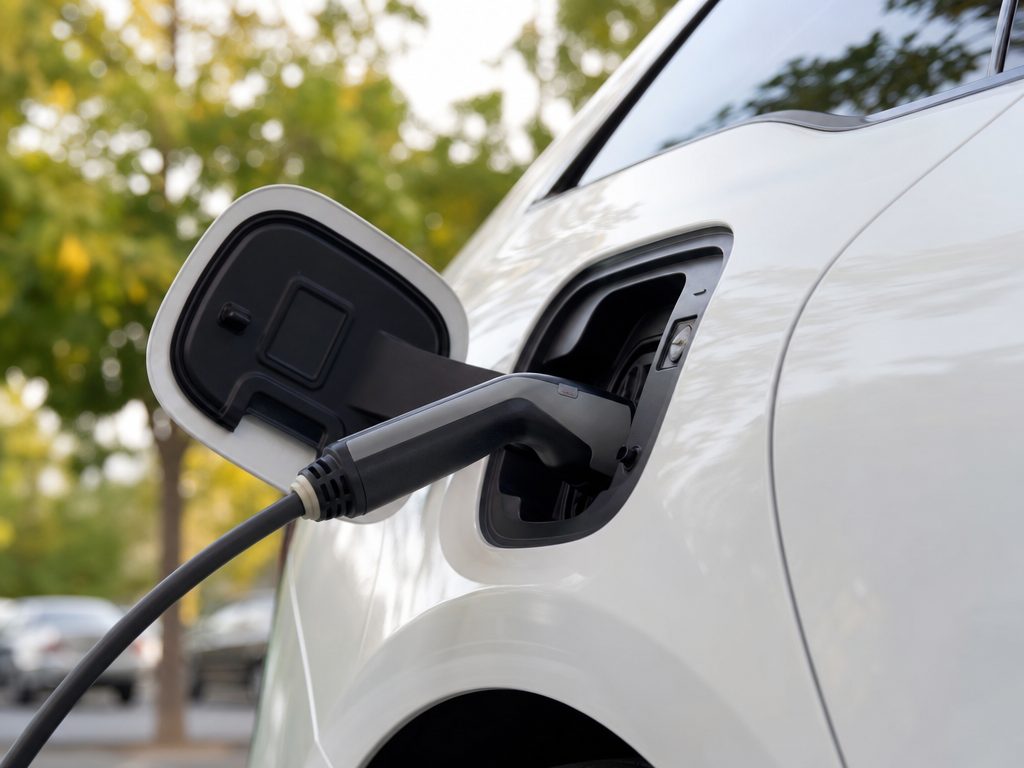
While federal incentives for clean vehicles have expired, many state governments and local utility companies have stepped in to fill the gap, making the transition to eco-friendly driving highly accessible and budget-smart. These regional programs vary widely, but they can significantly lower the net purchase price of a new or used electric vehicle.
For example, California recently established the "MyFirstEV" program, which offers an instant, point-of-sale rebate of $3,500 for first-time buyers of new EVs (with an MSRP under $50,000) and $1,750 for used EVs (selling for $25,000 or less). This program is unique because it is funded jointly by the state and participating automakers. Similarly, Illinois is launching its latest EV Rebate Program cycle, offering substantial rebates for qualifying purchases. Other states, including New York, New Jersey, Connecticut, Massachusetts, and Delaware, continue to offer active rebates, tax exemptions, or utility credits for vehicle purchases and home charging infrastructure. To find active programs in your area, you can search the comprehensive database maintained by the Alternative Fuels Data Center (AFDC) or the Database of State Incentives for Renewables & Efficiency (DSIRE).
Sources: afdc.energy.gov, www.dsireusa.org
Smart Financing: How to Secure and Compare Auto Loans
Upgrading your car requires a solid financing strategy to remain budget-smart. Securing a competitive auto loan is a critical step in this process. Rather than accepting the first financing offer presented at a dealership—which often includes a dealer markup on the interest rate—take the time to shop around with credit unions, banks, and online lenders to compare interest rates and loan terms.
Utilizing step-by-step guides for auto loans allows you to understand key terms, evaluate how much you can comfortably borrow, and map out a realistic payment schedule. When comparing loans, look closely at the annual percentage rate (APR) and the length of the loan. While a longer term (such as 72 or 84 months) might reduce your monthly payment, it significantly increases the overall interest you pay over the life of the loan and risks putting you "upside down"—owing more on the car than it is worth. Getting pre-approved for a loan from an independent lender before visiting the dealership gives you powerful leverage during negotiations.
Sources: www.consumerfinance.gov
The Total Cost of Ownership (TCO) Calculation Matrix
To truly understand the financial impact of upgrading your vehicle, you must look beyond the sticker price or the monthly loan payment. The Total Cost of Ownership (TCO) encompasses all expenses associated with operating a vehicle over its lifespan. This includes fuel (or electricity), scheduled maintenance, insurance premiums, registration fees, and depreciation.
When comparing a traditional gas-powered car to an electric vehicle, the TCO matrix reveals interesting trade-offs:
* Maintenance: EVs have significantly fewer moving parts than ICE vehicles—no oil changes, spark plugs, or timing belts to replace. Additionally, regenerative braking systems reduce wear on brake pads, extending their lifespan. However, EV tires tend to wear out faster due to the vehicle's heavier weight (from the battery pack) and instant torque.
* Insurance: Insurance premiums for EVs are often higher than for comparable gas cars. This is due to the high cost of battery replacement and the specialized labor required for repairs after an accident.
* Depreciation: Electric vehicles have historically experienced faster depreciation than highly sought-after hybrid or gas models, though this trend is stabilizing as battery technology matures.
Calculating these variables for your specific driving habits will help you determine the true financial impact of your new ride.
Sources: www.consumerfinance.gov
Protecting Yourself Against Deceptive Auto Marketing and Dealer Markups
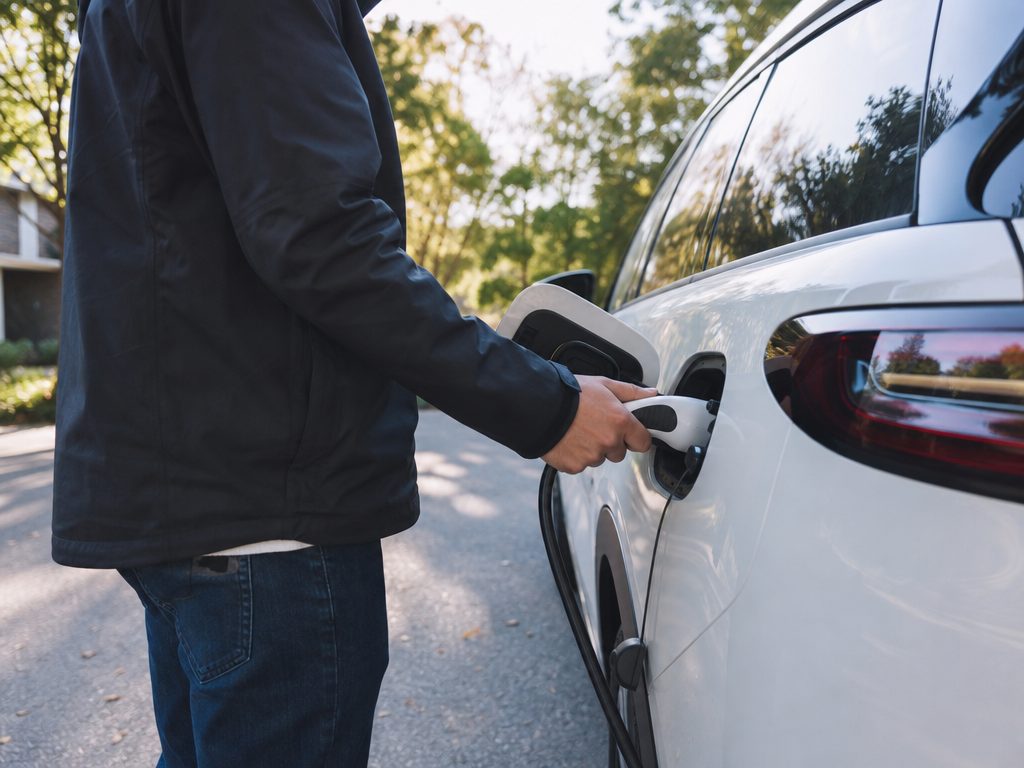
As you shop for a new or newer used car, you will encounter a wide variety of advertisements and promotional deals. While many offers are legitimate, some may involve deceptive marketing practices, hidden fees, or high-pressure sales tactics. Protecting your wallet means carefully reviewing all purchase agreements and lease terms before signing any paperwork.
The regulatory landscape surrounding auto sales has seen significant activity. Although the Federal Trade Commission's (FTC) Combating Auto Retail Scams (CARS) Rule was vacated by a federal court and officially withdrawn, the FTC remains highly committed to price transparency. The FTC has sent warning letters to auto dealership groups nationwide, warning them that advertised prices must reflect the true total price consumers are required to pay, excluding only government fees like taxes and registration. Furthermore, the FTC and state Attorneys General have secured major settlements against dealership groups for deceptive pricing and unwanted add-on products. When shopping, demand a written, itemized out-of-door price sheet, and refuse to pay for mandatory "junk fees" like pre-installed accessories, nitrogen-filled tires, or redundant fabric protection. If you encounter unfair business practices, you can report them directly to the FTC.
Sources: www.ftc.gov
The Environmental Trade-offs: Manufacturing Footprint vs. Operational Savings
While upgrading to an electric or highly efficient vehicle is a powerful way to reduce your personal carbon footprint, it is important to take a holistic view of the environmental impact. The manufacturing process for electric vehicles—specifically the extraction and refining of raw materials like lithium, cobalt, and nickel for battery packs—is highly energy-intensive and carries a larger initial carbon footprint than manufacturing a traditional gasoline vehicle. This is often referred to as the vehicle's "carbon debt."
However, this debt is paid off over time through operational efficiency. Because electric drivetrains are far more efficient at converting energy into motion, and because the electrical grid is increasingly powered by renewable sources like wind and solar, an EV quickly becomes cleaner than an ICE vehicle. The exact "break-even" point—the mileage at which the EV's total emissions become lower than a gas car's—depends on the cleanliness of your local power grid. In regions with high renewable energy generation, the break-even point can be reached in less than a year of typical driving, making the long-term environmental benefits undeniable.
Sources: afdc.energy.gov
Step-by-Step Checklist: Preparing Your Home and Wallet for an Upgrade
Transitioning to a newer, highly efficient vehicle—especially an EV or PHEV—requires some proactive preparation to ensure a smooth and cost-effective transition. Use this step-by-step checklist before finalizing your purchase:
1. Evaluate Home Charging Capabilities: Determine if you can charge at home. A standard 120-volt outlet (Level 1 charging) adds about 3 to 5 miles of range per hour, which may be sufficient for short commutes. For faster charging, you will need a 240-volt outlet (Level 2 charging), which may require hiring an electrician to upgrade your electrical panel.
2. Get Insurance Quotes: Contact your insurance provider with the Vehicle Identification Numbers (VINs) or specific model names of the cars you are considering to get accurate premium estimates.
3. Secure Pre-Approved Financing: Shop around at local credit unions and banks to secure a pre-approved auto loan rate, giving you a baseline to compare against dealer financing.
4. Research Regional Incentives: Check the AFDC database and your local electric utility company's website for active rebates on vehicles, home chargers, or special time-of-use electricity rates.
5. Calculate Your Daily Commute: Map out your typical daily driving distance to ensure the vehicle's battery range comfortably meets your needs without causing "range anxiety."
Sources: afdc.energy.gov, www.consumerfinance.gov
Evaluating Your Long-Term Financial Well-Being and Next Steps
Ultimately, upgrading your vehicle should enhance, not strain, your overall financial situation. A successful upgrade aligns your transportation needs with your long-term wealth goals. By calculating the total cost of ownership and securing competitive financing, you can ensure that your new vehicle remains a budget-smart asset rather than a financial burden.
To see how this major purchase fits into your broader life goals, consider taking a self-assessment of your overall financial well-being. The CFPB offers interactive tools designed to help consumers evaluate their daily money management habits alongside their long-term objectives. Regularly reviewing your personal budget and adjusting for changing insurance rates, utility costs, and maintenance schedules will help you confirm whether you are truly ready to take on a new auto asset. By driving smarter, you can protect both your wallet and the planet for years to come.
Sources: www.consumerfinance.gov
- https://www.consumerfinance.gov/consumer-tools/
- https://www.ftc.gov/advice-guidance/consumers
- https://www.irs.gov/
- https://www.consumerfinance.gov/consumer-tools/auto-loans/
- https://www.fueleconomy.gov/
- https://www.irs.gov/credits-deductions/clean-vehicle-tax-credits
- https://www.irs.gov/credits-deductions/used-clean-vehicle-credit
- https://afdc.energy.gov/laws/state
- https://www.dsireusa.org/
- https://www.ftc.gov/
- https://afdc.energy.gov/