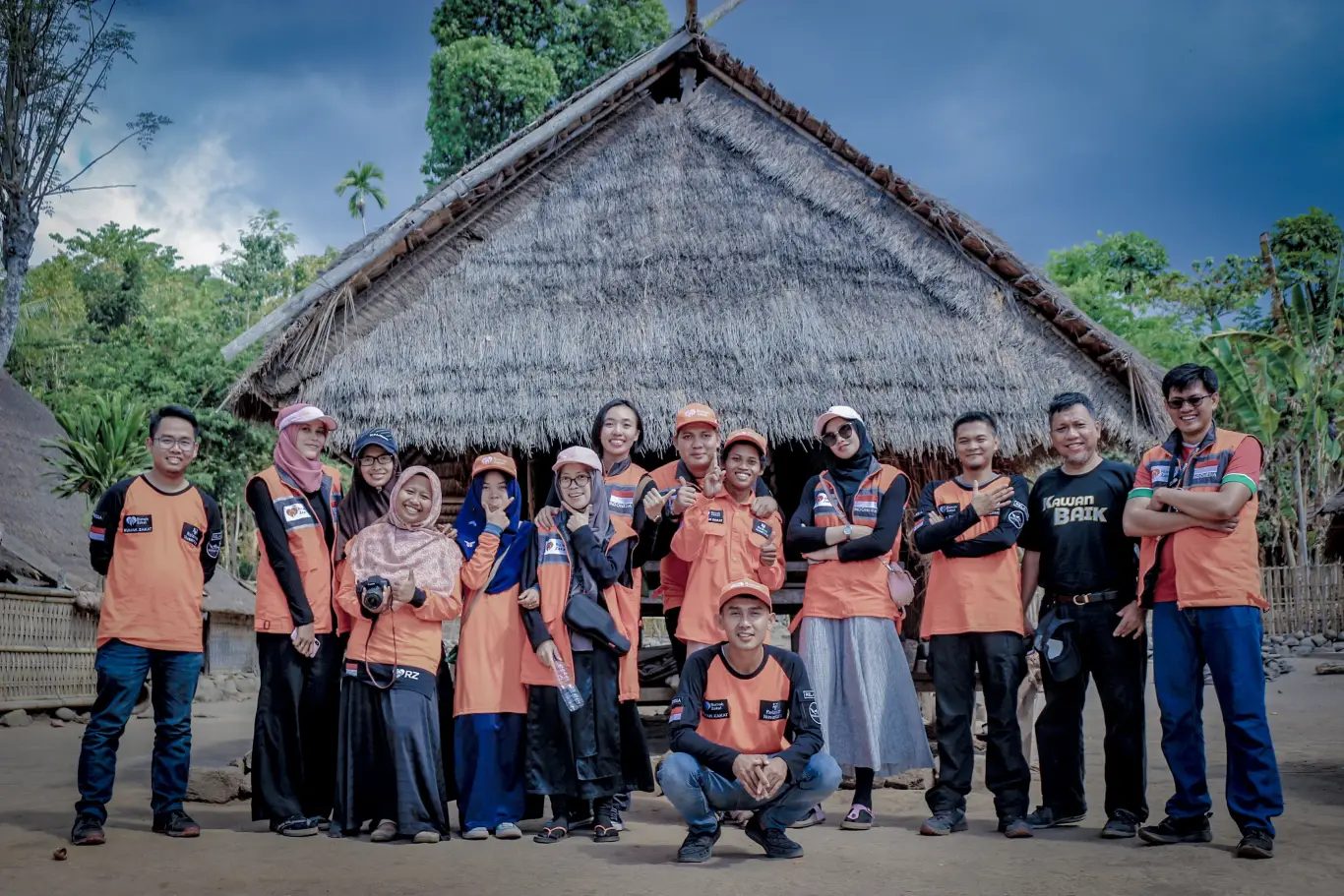
The Paradox of Mass Tourism vs. Grassroots Impact
Mass tourism often creates a stark paradox: while travelers seek out pristine environments and vibrant cultures, the economic benefits of their journeys rarely reach the people who call those destinations home. In traditional tourism models, a significant portion of travel spend "leaks" out of the host country, flowing back to multinational hotel chains, international airlines, and foreign-owned booking platforms. This economic leakage deprives local communities of the resources needed to maintain their infrastructure, protect their natural habitats, and support local education.
Community-based tourism (CBT) offers a powerful alternative by shifting the focus of travel from passive consumption to active, respectful engagement. Instead of being mere backdrops for photos, local residents become the owners, managers, and primary beneficiaries of tourism activities. When structured correctly, CBT ensures that your vacation spend directly funds grassroots initiatives, from clean water systems to women's cooperatives. However, navigating these setups independently can be challenging due to language barriers, remote locations, or limited digital booking infrastructure. This is where global travel brands have started stepping in to bridge the gap, providing a platform for grassroots initiatives to reach a global audience.
Defining Community-Based Tourism (CBT): The Core Principles
To understand how to book authentic community tourism, it is essential to define what genuine CBT actually entails. At its core, CBT is tourism that is owned, run, and managed by the community, for the community. It is not simply a tour that employs local guides or visits a local village; rather, it is a structured enterprise where the decision-making power and the majority of the financial returns remain in the hands of the local residents.
True CBT programs focus on shared value and equitable distribution of benefits. For example, in a community-run homestay cooperative, even families who do not host guests may benefit through a communal fund that supports local schools, healthcare clinics, or agricultural projects. This model helps diversify local economies beyond traditional farming or fishing, reducing vulnerability to climate change and crop failures. By prioritizing cultural preservation and environmental stewardship, CBT allows travelers to experience an authentic slice of local life while ensuring that their presence supports, rather than disrupts, the host community.
The Rise of Big-Brand Partnerships: Why Scale Matters
Historically, finding authentic community tourism required extensive research on niche forums, exchanging emails with local operators who might have limited internet access, or booking directly upon arrival with the risk of logistical uncertainty. Today, major global travel companies are increasingly integrating community-owned experiences into their mainstream itineraries. By partnering with international non-profit organizations and local cooperatives, large-scale tour operators can offer these experiences at scale.
This hybrid model combines the logistical reliability of a major travel brand with the authentic, grassroots impact of local hosting. Travelers get the peace of mind that comes with professional trip coordination, standardized safety protocols, and clear cancellation policies, while local communities gain access to a steady stream of global visitors they might not otherwise reach. This collaboration helps bridge the digital divide, allowing remote communities to market their services to a global audience without needing to manage complex digital booking engines themselves.
Major Players in the Space: G Adventures and the Planeterra Foundation
One of the most successful examples of this hybrid model is the partnership between G Adventures and the Planeterra Foundation. Established in 2003 by G Adventures founder Bruce Poon Tip, Planeterra is a non-profit organization dedicated to breaking down the barriers community tourism enterprises face by providing training, mentorship, and market access. Through this partnership, G Adventures integrates "G for Good" moments into nearly half of its 800-plus trips worldwide, allowing travelers to experience community-led initiatives firsthand.
For instance, travelers on G Adventures' itineraries in Nepal can stay at the Barauli Community Stay, a project that has welcomed over 5,500 travelers and directly empowers local Tharu women through cultural exchange and hospitality. In India, travelers can experience the Pink City Rickshaw Company in Jaipur, an innovative project that trains and empowers resource-poor women to lead unique tours on eco-friendly rickshaws. By booking through G Adventures, travelers can be confident that their tourism dollars are directly supporting these vetted, community-owned enterprises, with Planeterra providing the ongoing training and capacity building necessary for long-term success.
Sources: planeterra.org, www.gadventures.com
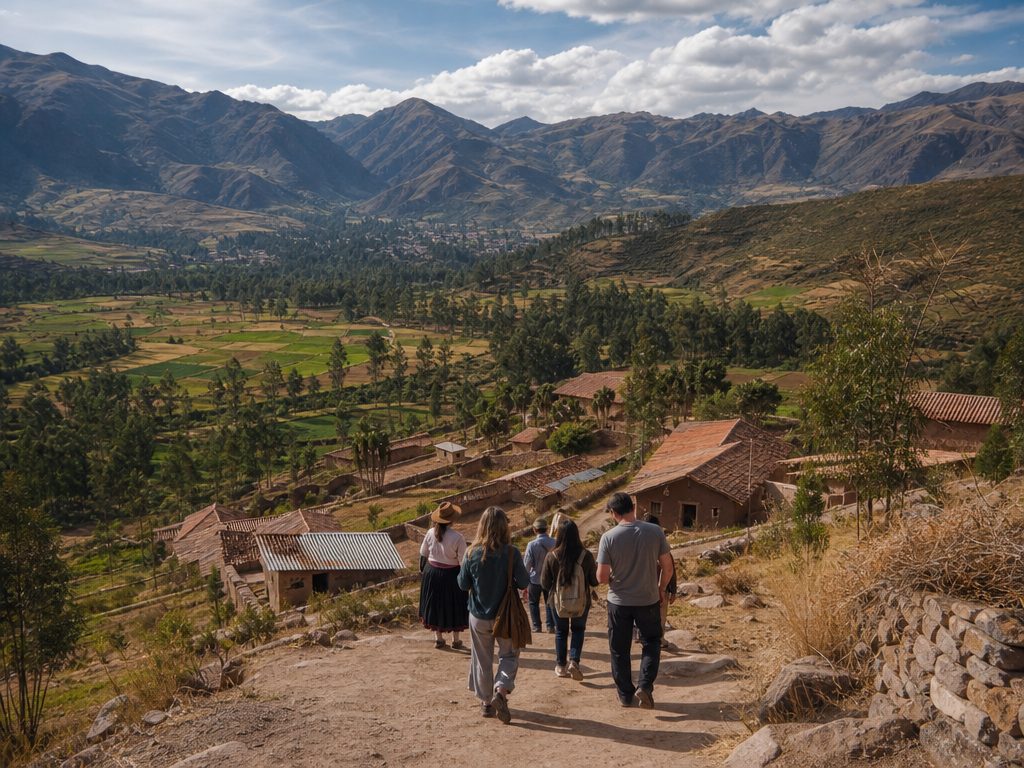
Intrepid Travel and The Intrepid Foundation: B-Corp Certified Impact
Another pioneer in scaling community-based tourism is Intrepid Travel, the world's largest adventure travel company and a certified B Corporation. Intrepid's commitment to balancing purpose and profit is reflected in its extensive network of locally led, low-impact trips that incorporate CBT experiences directly into their itineraries. To amplify this impact, the company established its non-profit arm, The Intrepid Foundation, in 2002.
The Intrepid Foundation works by aligning travel products with local NGO partners, ensuring that travelers have the opportunity to give back to the communities they visit. To double the difference, Intrepid dollar-matches travelers' donations and covers all administrative fees, ensuring that 100% of the funds reach the grassroots projects. A prime example of their on-the-ground impact is their partnership with the Indigenous Tourism Association of Canada (ITAC), committing CA$500,000 over five years to support and promote Indigenous-led tourism across Canada, with a goal of including Indigenous experiences in 100% of their Canadian itineraries.
Sources: www.intrepidtravel.com, www.theintrepidfoundation.org
Hospitality Giants Join the Movement: Good Travel with Marriott Bonvoy
The shift toward community tourism is not limited to adventure tour operators; hospitality giants are also entering the space. Marriott International's "Good Travel with Marriott Bonvoy" program offers curated, hands-on experiences across nearly 80 hotels and resorts in the Asia-Pacific (APAC) region. The program is designed to allow guests to forge deeper connections with local communities and ecosystems through experiences centered around community engagement and environmental protection.
For example, guests staying at Le Méridien Khao Lak Resort & Spa in Thailand can participate in a sustainable cycling tour to Moklen Village, where they learn about the Moklen people's maritime heritage, traditional crafts, and sustainable farming practices. At the Sheraton Grand Bangalore Hotel at Brigade Gateway in India, guests can support the Chendamangalam Handloom Society, a cooperative of weavers working to revive their traditional craft after devastating floods. While booking CBT through a luxury hotel chain offers a different style of travel than a rugged group tour, it represents a significant step in making community impact accessible to mainstream travelers.
European Giants and Global Alliances: TUI Care Foundation and UNESCO
European travel giant TUI Group is also leveraging its scale to drive community-led tourism through the TUI Care Foundation. Established as an independent charitable organization, the foundation partners with local and international organizations to create long-lasting impact in tourism destinations worldwide. Recently, the TUI Care Foundation signed a global partnership with UNESCO to promote sustainable tourism in and around World Heritage destinations, starting with initiatives in Morocco and Zanzibar.
In Morocco, the partnership supports sustainable tourism development around the iconic Ksar Aït Ben Haddou, developing new cultural routes, training local guides, and strengthening opportunities for local artisans. Additionally, the TUI Care Foundation has partnered with UN Tourism to launch a Small Grants Programme, providing direct financing and technical support to rural artisans and entrepreneurs in African countries like Mozambique, Namibia, and Rwanda. This high-level collaboration demonstrates how even the largest package holiday providers are shifting their supply chains to support community-led development.
Sources: www.tuicarefoundation.com, www.unesco.org

How to Spot Genuine Community Impact: Avoiding "Impact Washing"
As community tourism grows in popularity, so does the risk of "impact washing" or "greenwashing"—where standard tours are marketed as community-led without any real shift in financial distribution or decision-making power. To ensure your booking genuinely supports the hosts, travelers must look for clear indicators of local agency. True community tourism programs will explicitly state how funds are distributed, highlight partnerships with reputable third-party NGOs, and name the local cooperatives or family councils running the experience.
Be cautious of itineraries that treat local communities as mere backdrops for photos rather than active participants and guides. If a tour description focuses heavily on "visiting" a village to take photos of residents, but does not mention any economic exchange, local guiding, or community-owned facilities, it may not be a genuine CBT experience. Look for operators that are transparent about their supply chains, publish annual impact reports, or hold independent certifications like B Corp status.
Step-by-Step Booking Strategies for Conscious Travelers
To find and book authentic community tourism experiences on major travel platforms, start by searching for designated impact or sustainable collections. Many global operators now group these itineraries under specific labels, such as G Adventures' "G for Good" moments or Marriott's "Good Travel" program. When browsing a major booking engine or tour operator's website, look for filter options labeled "community-led," "local impact," or "sustainable travel."
Once you find a promising itinerary, cross-reference the tour details. Search for the name of the local community or partner cooperative online to verify their independent presence. If the global brand lists a partner NGO, such as Planeterra or The Intrepid Foundation, visit that NGO's website to confirm their active collaboration and read about the specific project's goals and outcomes. This extra step helps verify that the partnership is active, mutually beneficial, and structured to prioritize local empowerment before you make a financial commitment.
Cultural Etiquette and On-the-Ground Preparation
Participating in community tourism requires a fundamental shift in traveler mindset. Because you are entering living, working communities rather than curated tourist zones, respecting local customs, privacy, and traditions is paramount. Before your trip, research basic cultural norms regarding dress codes, gift-giving, and photography. Many communities prefer that visitors ask permission before taking photos of residents, particularly children, and some may have sacred areas where photography is strictly prohibited.
Additionally, consider your environmental footprint. Remote communities often lack the waste management systems capable of processing plastic packaging, disposable electronics, or single-use items. Pack light, bring reusable water bottles and bags, and plan to carry any non-biodegradable waste back to major cities for proper disposal. By minimizing your physical impact and approaching the community with humility and curiosity, you help foster a positive, mutually respectful relationship between hosts and visitors.
Managing Logistics, Dynamic Environments, and Verifying Changing Rules
Because community-run initiatives operate in dynamic local environments, schedules, access rules, and pricing can change with little notice. Seasonal weather, agricultural cycles, religious holidays, or local community events may require sudden adjustments to your itinerary. For example, a homestay in a rural farming village may adjust its activities during harvest season, or a community-led boat tour may be suspended due to seasonal river levels. It is essential to remain flexible and approach these changes with patience and understanding.
Always confirm the current operating status, pricing, and specific entry requirements of community visits directly with your primary booking agent or tour operator shortly before your departure. Since local regulations, permit requirements, and health protocols can evolve, keeping an open line of communication with your tour provider ensures you avoid unexpected disruptions. For up-to-date health and safety guidelines, travelers should consult official government travel advisories, such as the U.S. Department of State or the World Health Organization, before embarking on their journey.