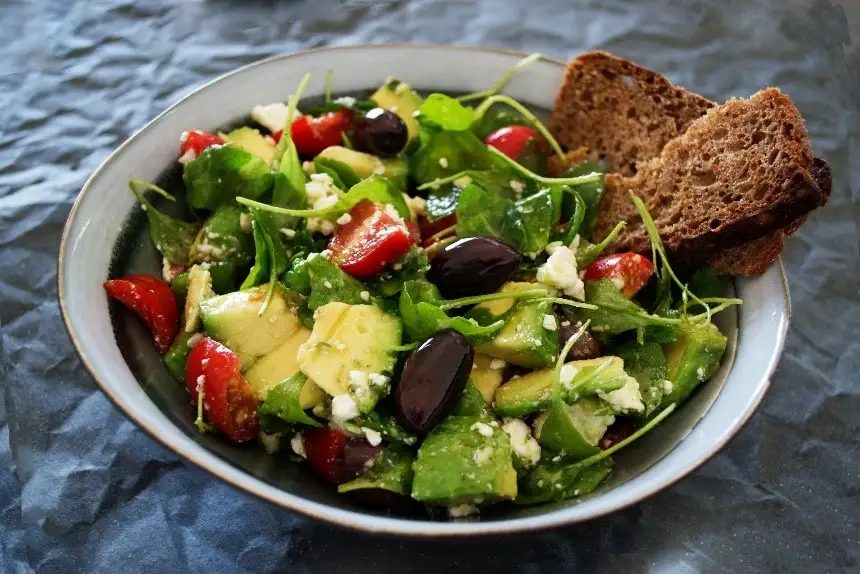
Understanding the Culinary Appeal and Nutritional Profile of Microgreens
Microgreens have transitioned from being a delicate, high-end restaurant garnish to a staple of creative home kitchens. These young, edible seedlings are harvested typically 7 to 21 days after germination, just as their first true leaves emerge. Because they are harvested at this early stage, they possess an intense concentration of flavor, aroma, and visual appeal. From the fiery, peppery kick of radish microgreens to the earthy, robust sweetness of beet shoots, they offer a diverse palette of tastes that can completely transform home-cooked meals.
Integrating these greens into your daily cooking routine does not require professional culinary training. Because of their tender texture, they do not require heavy prep work or extensive cooking times. Instead, they function as dynamic ingredients that can enhance both the flavor profile and aesthetic presentation of almost any dish you prepare.
Beyond their culinary versatility, microgreens are highly valued for their nutritional density. A landmark 2012 study conducted by researchers at the U.S. Department of Agriculture (USDA) and the University of Maryland analyzed 25 commercially available varieties of microgreens. The study revealed that, in general, microgreens contained considerably higher levels of vitamins and carotenoids—about five times greater—than their mature plant counterparts. The range spanned from four to forty times depending on the specific variety and nutrient. For instance, red cabbage microgreens were found to have roughly 40 times more vitamin E and six times more vitamin C than mature red cabbage, while cilantro microgreens yielded three times more beta-carotene than mature cilantro. This striking density occurs because the cotyledons, or embryonic leaves, serve as a highly concentrated storage vault of the vitamins, minerals, and antioxidants a seedling requires to fuel its rapid early growth.
Educational information only; it is not medical or veterinary advice. Consult an appropriately licensed professional for decisions about care.
Sources: www.ars.usda.gov
Upgrading Your Sandwiches, Wraps, and Burgers
One of the simplest and most effective ways to introduce microgreens to your daily diet is by using them as a direct replacement for traditional head lettuce, romaine, or spinach in sandwiches, wraps, and burgers. Standard iceberg lettuce often adds bulk and water content without contributing much flavor. In contrast, microgreens like broccoli, mustard, arugula, or daikon radish add a concentrated peppery punch, a subtle nuttiness, and a satisfying, delicate crunch.
To successfully incorporate microgreens into your sandwiches, you must master the 'dry barrier' layering technique. Because microgreens are highly delicate, they can quickly wilt and turn soggy when they come into direct contact with wet condiments like mayonnaise, mustard, pesto, or tomato slices. To prevent this, always layer your microgreens between drier ingredients, such as sliced meats, cheeses, or dry toasted bread.
If you find the texture or concentrated flavor of certain microgreens too intense initially, this step is easily reversible. You do not have to commit to an all-or-nothing approach. Simply mix a small handful of microgreens with your usual leafy greens, such as baby spinach or butter lettuce, to dilute the taste. Over time, as your palate adjusts, you can gradually increase the ratio of microgreens until you find your preferred balance.
Sources: www.fda.gov
Powering Up Your Smoothies and Morning Juices
If you struggle to consume enough leafy green vegetables throughout the day, blending microgreens into your morning smoothies or fresh juices is an exceptional solution. Unlike mature kale, collard greens, or Swiss chard, which can leave a fibrous, gritty, or stringy texture in your blender, microgreens are incredibly tender. Their delicate cell walls allow them to pulverize completely into a silky, smooth liquid, even in standard, non-commercial blenders.
Because some microgreen varieties—such as radish, mustard, or cabbage—have a naturally sharp, peppery, or sulfurous flavor, it is best to start with milder options. For beginners, pea shoots or sunflower microgreens are excellent choices, offering a mild, sweet, and nutty flavor profile that blends seamlessly with fruit.
To create a balanced green smoothie, start by adding just a quarter-cup of mild microgreens to a fruit-heavy base, such as frozen mango, pineapple, or banana. If you find the resulting flavor too earthy or bitter, you can easily neutralize it by adding half a banana, a spoonful of honey, or a splash of fresh citrus juice like lemon or lime. The acidity of citrus is particularly effective at cutting through the grassy undertones of young seedlings, allowing you to customize the flavor profile incrementally without wasting ingredients.
Sources: www.fda.gov
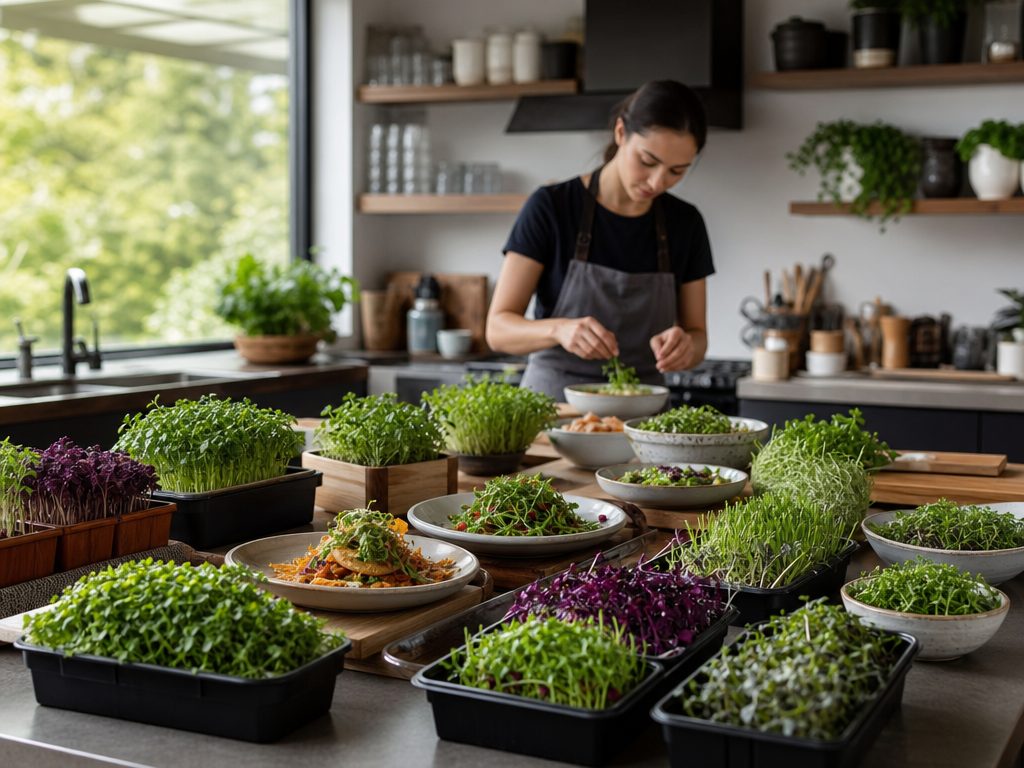
Finishing Hot Soups, Pizzas, and Stir-Fries
While microgreens are typically eaten raw to preserve their crisp texture and heat-sensitive nutrients, they can be beautifully incorporated into warm, cooked dishes if handled correctly. The golden rule of cooking with microgreens is to avoid exposing them to direct, high heat for extended periods. Boiling, sautéing, or baking microgreens will cause them to wilt into an unappealing texture and will destroy their delicate, volatile flavor compounds.
Instead, treat microgreens as a finishing element. The best technique is to utilize the residual heat of the dish. For example, toss a generous handful of arugula or basil microgreens onto a hot pizza immediately after it comes out of the oven. The heat radiating from the melted cheese will gently soften the greens and release their aromatic oils without destroying their structural integrity.
Similarly, you can stir a handful of cilantro, radish, or pak choi microgreens into a hot bowl of ramen, pho, or vegetable soup just before serving. The steam from the broth will slightly wilt the greens, integrating them into the soup while maintaining a pleasant, fresh bite. This method allows you to enjoy the warmth of a cooked meal while still benefiting from the fresh, vibrant qualities of the young greens.
Sources: www.fda.gov
Whizzing Up Microgreen Pestos, Chimichurris, and Dressings
If you have an abundance of microgreens from a home garden or a local farmers' market, blending them into vibrant sauces, pestos, chimichurris, and vinaigrettes is an excellent way to utilize them before they spoil. Sunflower and pea microgreens make an outstanding, robust base for a rustic pesto, offering a rich, nutty undertone that pairs beautifully with garlic, olive oil, and parmesan cheese.
To make a quick microgreen pesto, combine two cups of packed microgreens (such as sunflower, pea shoots, or basil microgreens) with one or two cloves of garlic, a half-cup of grated parmesan cheese, a half-cup of toasted pine nuts or walnuts, and a half-cup of high-quality extra virgin olive oil in a food processor. Pulse the mixture until it reaches your desired consistency.
If the resulting sauce is too bitter—which can occasionally happen with brassica-family microgreens like broccoli or kale—you can easily adjust the flavor. Blend in a handful of sweet Italian basil leaves, add a pinch of salt, or squeeze in fresh lemon juice to balance the bitterness. These vibrant green sauces can be used immediately over pasta, spread onto sandwiches, or stored in the refrigerator. For long-term preservation, spoon the pesto into ice cube trays, freeze them solid, and transfer the cubes to a freezer-safe bag for easy, pre-portioned use in future meals.
Sources: www.fda.gov
Elevating Breakfast: Eggs, Avocado Toast, and Savory Bowls
Breakfast is an ideal time to introduce microgreens into your culinary routine, adding a burst of color and a concentrated dose of nutrients to start your day. One of the most seamless integrations is combining microgreens with eggs. Whether you are preparing a classic French omelet, a rustic frittata, or simple scrambled eggs, microgreens can elevate the dish from ordinary to gourmet.
To incorporate them into scrambled eggs or omelets, fold a handful of mild microgreens—such as spinach, kale, or alfalfa—into the eggs during the final ten seconds of cooking. This brief exposure to heat is just enough to warm the greens through without making them soggy.
For avocado toast, microgreens act as the perfect texturizing contrast to the creamy avocado. After mashing your avocado onto toasted sourdough and seasoning it with salt, pepper, and a squeeze of lemon, top it generously with radish, garlic chive, or mustard microgreens. The sharp, peppery bite of these varieties cuts through the richness of the avocado beautifully.
You can also build savory breakfast grain bowls by layering warm quinoa or brown rice, a soft-boiled or poached egg, sliced avocado, and a generous handful of mixed microgreens. Drizzle with a light sriracha mayo or olive oil for a satisfying, nutrient-dense morning meal.
Sources: www.fda.gov
Crafting Gourmet Salads and Slaws with Microgreen Bases
While many people view microgreens strictly as a garnish, they can easily step into the spotlight as a primary salad base or a major component of a refreshing slaw. Using microgreens as a salad base allows you to play with a wide variety of textures and flavor profiles that traditional salad greens simply cannot match.
When crafting a microgreen-based salad, the key is to mix and match different varieties to create a balanced experience. For example, combine the robust, crunchy stems of sunflower shoots with the delicate, feather-light leaves of red amaranth or beet microgreens. This creates an appealing contrast in both texture and color.
Because microgreens are incredibly delicate, heavy, cream-based dressings like ranch or blue cheese will weigh them down, causing them to collapse and become soggy. Instead, opt for light, acid-forward vinaigrettes. A simple dressing of high-quality olive oil, fresh lemon juice, a touch of Dijon mustard, and a pinch of sea salt is all you need to enhance, rather than overpower, the natural flavors of the greens. Always toss the salad gently with your hands or light tongs immediately before serving to ensure the greens remain airy and crisp.
Sources: www.fda.gov
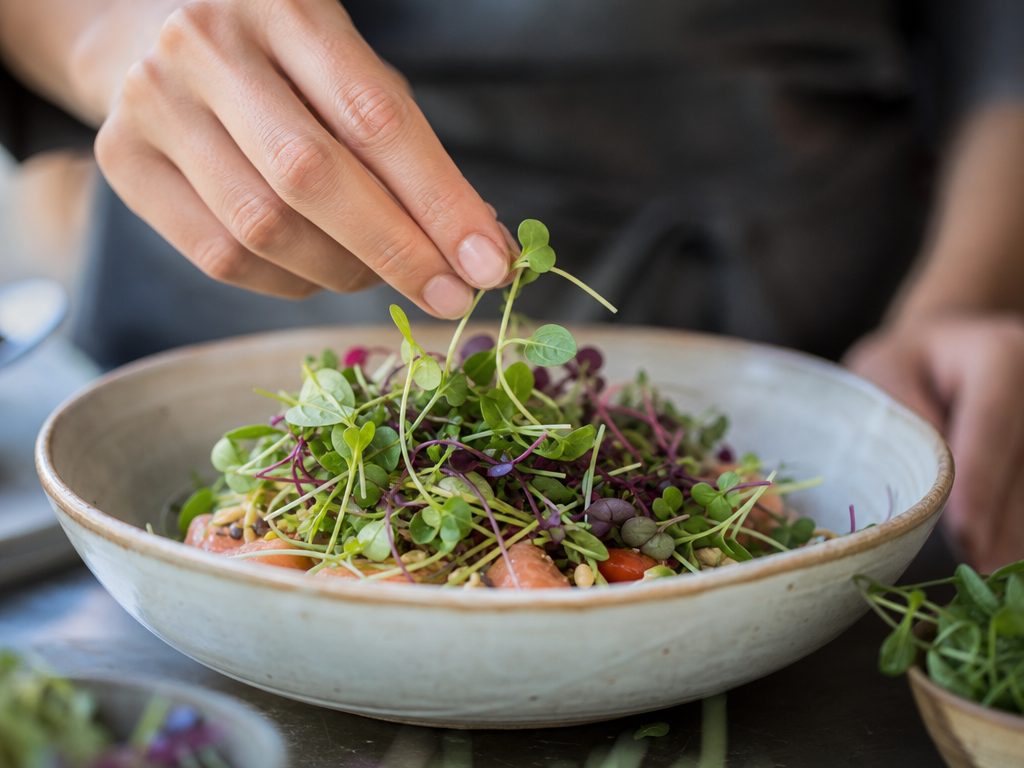
Infusing Oils, Vinegars, and Compound Butters Safely
Infusing microgreens into oils, vinegars, and compound butters is a creative way to preserve their unique flavors and add a gourmet touch to your pantry. A microgreen compound butter is incredibly simple to make: allow a stick of unsalted butter to soften to room temperature, then fold in a half-cup of finely chopped microgreens (such as garlic chives, basil, or cilantro) along with a pinch of sea salt. Roll the butter into a log using parchment paper, chill it in the refrigerator until firm, and slice off rounds to melt over grilled steaks, roasted vegetables, or warm bread.
However, when it comes to infusing oils with fresh herbs or microgreens, home cooks must exercise extreme caution due to serious food safety risks. Fresh microgreens contain water and are low-acid foods. When they are submerged in oil, they are cut off from oxygen. This combination of moisture, low acidity, and an anaerobic (oxygen-free) environment creates the perfect breeding ground for Clostridium botulinum spores, which can produce a deadly neurotoxin.
According to safety guidelines from the USDA and the Centers for Disease Control and Prevention (CDC), homemade herb- or microgreen-infused oils must be stored in the refrigerator and consumed within four days to prevent the risk of botulism. Alternatively, you can freeze the infused oil in ice cube trays for long-term safety.
Infusing vinegars is significantly safer because the high acid content of vinegar prevents the growth of Clostridium botulinum. To make a microgreen vinegar, sterilize a glass jar by boiling it for ten minutes, pack it with clean, thoroughly dried microgreens, and pour warm vinegar over them. Let it steep in a cool, dark place for a few weeks, then strain out the greens and enjoy a vibrant, flavored vinegar.
Sources: www.cdc.gov, www.ars.usda.gov
Keeping Pets Safe Around Your Indoor Garden
Many culinary enthusiasts choose to grow their own microgreens on sunny windowsills or under grow lights for a continuous, fresh, and cost-effective supply. However, if you share your home with curious pets, it is vital to research the varieties you choose to cultivate. Some common microgreen varieties, particularly those from the Allium family—which includes onions, garlic, chives, and leeks—are highly toxic to both dogs and cats. Ingestion of these plants can cause oxidative damage to their red blood cells, leading to a dangerous condition called hemolytic anemia.
Before starting an indoor garden, consult reliable resources for pet owners, such as the ASPCA Animal Poison Control database or the American Veterinary Medical Association (AVMA), to verify which plants are safe to keep in areas accessible to animals. Safe and popular options for pet-friendly households include oat grass, wheatgrass, sunflower, and pea microgreens, which are generally non-toxic and safe if accidentally nibbled by a curious cat or dog.
Because safety classifications and plant lists can occasionally be updated as new veterinary research emerges, it is wise to double-check current safety databases regularly. Always consult a licensed veterinarian immediately if you suspect your pet has ingested a potentially harmful plant or is showing signs of lethargy, vomiting, or pale gums.
Sources: www.avma.org, www.aspca.org
Best Practices for Cleaning, Storage, and Food Safety
Because microgreens are typically consumed raw to preserve their delicate texture and heat-sensitive nutrients, proper handling, sanitation, and storage are essential to prevent foodborne illness. Like any fresh agricultural product, raw greens can sometimes harbor microscopic parasites such as Cyclospora, which has historically been linked to various foodborne outbreaks across the country. Additionally, other pathogens like Salmonella, E. coli, and Listeria can occasionally contaminate raw produce during the growing, harvesting, or packaging phases.
To minimize your risk of foodborne illness, always purchase your microgreens from reputable, clean vendors, or grow them yourself using clean, potable water and sterile growing mediums. When buying pre-packaged microgreens, check for any signs of decay, excess moisture, or sour odors, and ensure they have been kept properly refrigerated.
When you bring your microgreens home, store them in a clean, airtight container lined with a dry paper towel to absorb excess moisture, which is the primary driver of rapid spoilage. Keep them in the crisper drawer of your refrigerator.
The golden rule of washing microgreens is to wash them thoroughly under cold, running water immediately before you plan to eat them, rather than washing them before storage. Washing them prior to storage introduces excess moisture that will accelerate decay and mold growth. Gently pat them dry with a clean paper towel or use a salad spinner on a very low speed to avoid bruising the delicate leaves.
Please note that this guide provides educational information only; it is not medical or veterinary advice. Consult an appropriately licensed professional for decisions about health care, nutrition, and pet safety.
Sources: www.fda.gov, www.cdc.gov
- https://www.cdc.gov/
- https://www.fda.gov/consumers
- https://www.avma.org/resources-tools/pet-owners
- https://www.ars.usda.gov/news-events/news/research-news/2014/specialty-greens-pack-a-nutritional-punch/
- https://www.fda.gov/food
- https://www.cdc.gov/foodsafety
- https://www.aspca.org/pet-care/animal-poison-control